

Argentine Beef: Delicious Delights from Down Under!
Images
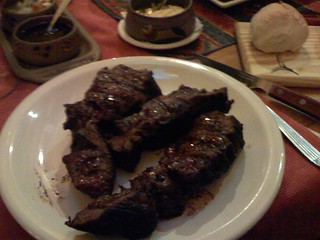
Vacio flank steak


The Genesis of Argentine Beef
The story of Argentine beef is deeply intertwined with the country's history, dating back to the Spanish colonial era. The introduction of cattle to the fertile pampas created an environment ripe for extensive ranching. These vast, open grasslands, blessed with abundant rainfall and rich soil, proved ideal for raising cattle with minimal intervention.
Over centuries, this led to the development of a distinct Argentine beef culture, characterized by free-range grazing and a focus on quality. This tradition has not only shaped the landscape but also forged a national identity where beef is more than just food; it's a symbol of heritage and prosperity. The 'gaucho' culture, the iconic horsemen of the pampas, is inextricably linked to cattle herding, further cementing beef's place in the national consciousness.
This historical foundation is crucial to understanding why Argentina became, and remains, a preeminent beef-producing nation.
Global Dominance
Argentina's position as a global leader in beef production is a testament to its long-standing agricultural expertise and favorable environmental conditions. In 2019, the nation achieved a remarkable output of 3 million tons of beef, securing its spot as the fourth-largest producer worldwide. This volume is not merely a number; it represents a sophisticated agricultural system that efficiently transforms the country's natural resources into a highly sought-after commodity.
The scale of production is immense, requiring vast tracts of land and a skilled workforce dedicated to animal husbandry. This global standing underscores Argentina's significant contribution to the international food supply chain and its role in meeting the world's demand for high-quality beef, making it a key player in global agricultural markets.
The 'Asado' Ritual
The Argentine 'asado' is far more than a simple barbecue; it is a profound cultural institution that embodies social cohesion and culinary tradition. This communal gathering, typically held on weekends, revolves around the slow-grilling of various cuts of beef, prepared by a designated 'asador' who meticulously tends the fire and meat. The 'asado' serves as a vital social lubricant, bringing together families, friends, and even business associates in a relaxed atmosphere conducive to conversation and bonding.
The selection and preparation of the beef are often steeped in tradition, with specific cuts and cooking techniques passed down through generations. This ritual highlights the central role beef plays in Argentine social life, acting as a focal point for celebration, connection, and the reaffirmation of cultural identity. It is a living testament to the deep-seated importance of beef in the Argentine way of life.
Economic Engine
The beef industry is a critical pillar of the Argentine economy, generating substantial revenue and employment. The entire value chain, from the ranches on the pampas to the export markets, contributes significantly to the nation's Gross Domestic Product (GDP). In 2019, the production of 3 million tons of beef translated into considerable economic activity, supporting jobs in agriculture, processing, transportation, and international trade.
Beef exports are a vital source of foreign currency, helping to stabilize the national economy. Furthermore, the industry's success is often linked to Argentina's ability to maintain high standards of quality and safety, ensuring its competitiveness in global markets. The economic significance of beef extends beyond direct revenue, influencing related industries and contributing to the overall economic health and development of Argentina.
Beyond the Plate
While Argentine beef is celebrated for its quality and cultural significance, its future is increasingly shaped by considerations of sustainability. The vast pampas, while ideal for grazing, also face environmental challenges. Modern approaches are exploring ways to balance traditional ranching practices with ecological preservation, including managing land use, water resources, and greenhouse gas emissions.
Innovations in animal welfare and traceability are also becoming more important for consumers and international markets. As global demand for protein continues to grow, Argentina is positioned to leverage its expertise while adapting to evolving environmental and ethical expectations. The ongoing dialogue between tradition and innovation will be key to ensuring the long-term viability and continued success of the Argentine beef industry on both a national and global scale.
See also
Frequently Asked Questions
What makes Argentine beef special?+
Why do people in Argentina love the asado?+
How did Argentina become a top beef producer?+
Where do Argentine cows usually graze?+
Are Argentine beef farmers important to the country's economy?+
Based on content from Wikipedia · Licensed under CC BY-SA 4.0