

Al-Masjid an-Nabawi
Images

Al-Masjid Al-Nabawi 6



The Genesis and Expansion of a Sacred Edifice
Al-Masjid an-Nabawi, established in 622 CE in Medina, Saudi Arabia, stands as a testament to centuries of Islamic architectural evolution and unwavering devotion. Its origins are rooted in a modest structure built by Prophet Muhammad, serving as a communal prayer space and a center for early Islamic governance. Following the Prophet's passing, the mosque underwent its first major expansion under the Caliph Umar ibn al-Khattab, who enlarged the prayer hall and added more rooms.
Subsequent expansions, notably under the Umayyad and Abbasid caliphates, saw the introduction of minarets, domes, and elaborate decorative elements, transforming it into a magnificent edifice. The Mamluk and Ottoman periods further contributed to its grandeur, with significant renovations and additions that shaped its current form. This continuous process of expansion and architectural refinement reflects its growing importance and the increasing number of pilgrims and worshippers it accommodates, making it a living monument to Islamic history.
Architectural Marvels and Spiritual Resonance
The architectural journey of Al-Masjid an-Nabawi is a fascinating study in Islamic design and engineering. While its early structure was simple, later periods introduced sophisticated elements. The iconic Green Dome, erected over the tomb of Prophet Muhammad, was originally a white dome built by the Mamluk Sultan Qalawun, later painted green by Ottoman Sultan Mahmud II.
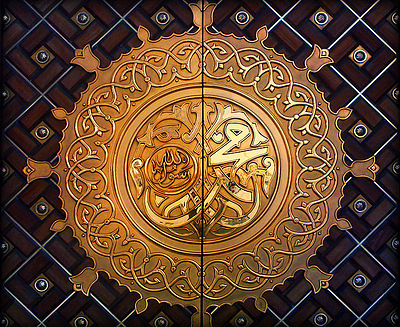
This dome is not merely an aesthetic feature; it marks the sacred burial site of the Prophet and his companions, Abu Bakr and Umar. The mosque complex now encompasses vast prayer halls, numerous minarets reaching skyward, and expansive courtyards, all designed to facilitate worship and spiritual contemplation. The use of marble, intricate tilework, and calligraphy throughout the mosque showcases a rich artistic heritage, creating an environment that inspires awe and deepens the spiritual connection for millions of visitors annually.
The Profound Significance in Islamic Tradition
Al-Masjid an-Nabawi holds an unparalleled position in the hierarchy of Islamic sacred sites, second only to the Masjid al-Haram in Mecca. Its profound significance is multifaceted. Primarily, it is the final resting place of Prophet Muhammad, the central figure of Islam, making it a site of immense veneration and pilgrimage.
The area known as Rawdah, situated between the Prophet's tomb and his minbar (pulpit), is believed to be a garden from Paradise, a place where prayers are exceptionally answered. For Muslims, performing Salah (prayer) within its precincts is considered highly meritorious, fostering a direct spiritual link to the Prophet and his teachings. It serves as a vital hub for Islamic scholarship, community gathering, and the spiritual rejuvenation of millions of pilgrims who undertake the journey to Medina.
A Center of Learning and Community
Beyond its role as a place of worship and pilgrimage, Al-Masjid an-Nabawi has historically been a vibrant center for Islamic learning and community life. Prophet Muhammad himself used the mosque as a platform for education, delivering sermons and teaching the Quran. This tradition of knowledge dissemination continues to this day, with scholars and imams offering lectures and guidance within its walls.
The mosque complex also facilitates social cohesion, bringing together Muslims from diverse backgrounds and nationalities in a shared space of devotion. Its continuous expansion and modernization ensure it remains a functional and spiritually uplifting environment, capable of hosting millions of worshippers while preserving its sacred character and historical legacy for future generations.
See also
Frequently Asked Questions
What is Al-Masjid an-Nabawi?+
Why is the Green Dome special?+
How many times has the mosque been expanded?+
Where is the Rawdah and why is it important?+
What can people do at the mosque besides praying?+
Based on content from Wikipedia · Licensed under CC BY-SA 4.0