

Al-Masjid al-Nabawi
Images

Al-Masjid al-Nabawi - المسجد النبوي




Foundations of Faith
Al-Masjid al-Nabawi, situated in Medina, Saudi Arabia, stands as a monumental testament to Islamic history, originating in 622 CE. Its inception was not merely the construction of a building but the establishment of a vital community hub by Prophet Muhammad himself. Initially conceived as a simple structure comprising mud-brick walls and a palm-trunk roof, it served as a sanctuary for prayer, a center for governance, and a place for disseminating religious teachings.
This foundational period was critical, marking the transition of early Muslims to Medina and the creation of a physical space that would embody their burgeoning faith and community. The mosque's original design was functional, emphasizing communal gathering and spiritual reflection, setting a precedent for mosque architecture that prioritized accessibility and spiritual connection over ostentation.
Centuries of Transformation
The history of Al-Masjid al-Nabawi is a narrative of continuous growth and architectural refinement, reflecting the dynamic expansion of the Islamic world. Following Prophet Muhammad's era, successive caliphs and rulers undertook significant expansions. The Umayyad Caliph Al-Walid I, in the early 8th century, initiated a major reconstruction, incorporating Byzantine architectural elements and significantly increasing the mosque's size.
Subsequent dynasties, including the Abbasids and Mamluks, continued to enhance the structure, adding minarets, domes, and decorative elements. The most iconic addition, the Green Dome, was erected over the tomb of Prophet Muhammad in the late 15th century, becoming a globally recognized symbol. Each expansion was driven by the need to accommodate the ever-increasing number of pilgrims and worshippers, transforming the mosque from its humble origins into a vast, complex, and architecturally diverse edifice that showcases a rich heritage of Islamic art and engineering.
The Spiritual and Intellectual Heartbeat of Islam
The unparalleled significance of Al-Masjid al-Nabawi lies in its status as the second holiest site in Islam, surpassed only by the Masjid al-Haram in Mecca. It is revered as the final resting place of Prophet Muhammad, making it a paramount destination for Hajj and Umrah pilgrims. The Rawdah, the area between Prophet Muhammad's tomb and his minbar, is considered a piece of Paradise, a highly auspicious space for supplication and spiritual communion.
Historically, the mosque was not solely a place of worship but also a vibrant center for Islamic scholarship. Scholars and students gathered here to study the Quran, Hadith, and Islamic jurisprudence, contributing to the intellectual and spiritual development of the Muslim world for centuries. This dual role as a spiritual sanctuary and an academic institution underscores its enduring importance in Islamic civilization.
Architectural Grandeur and Modern Capacity
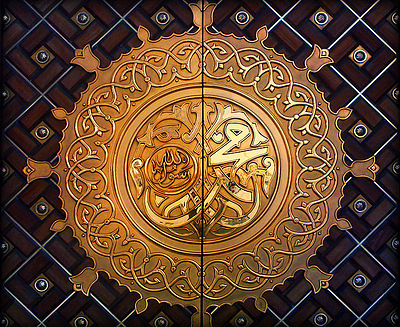
Al-Masjid al-Nabawi is a marvel of Islamic architecture, blending historical styles with modern functionality. The mosque's design is characterized by its vastness, intricate geometric patterns, and exquisite calligraphy adorning its prayer halls and colonnades. The Green Dome, a distinctive landmark, crowns the central area, drawing the gaze of millions.
Numerous minarets rise majestically, serving as visual anchors and facilitating the call to prayer. The expansive courtyards offer serene spaces for contemplation and prayer, often filled with worshippers seeking spiritual solace. Today, the mosque has been expanded to an immense scale, capable of accommodating over 600,000 worshippers simultaneously.
This modern expansion incorporates advanced climate control, lighting, and sound systems, ensuring comfort and accessibility while preserving the mosque's historical and spiritual essence. It represents a harmonious fusion of heritage and contemporary needs.
See also
Frequently Asked Questions
What is Al-Masjid al-Nabawi?+
Why is the Green Dome important?+
How did the mosque grow over time?+
Where is the Rawdah and why is it special?+
What other role does the mosque have besides prayer?+
Based on content from Wikipedia · Licensed under CC BY-SA 4.0