

Adobo: The Yummy Marinade Magic!
Images
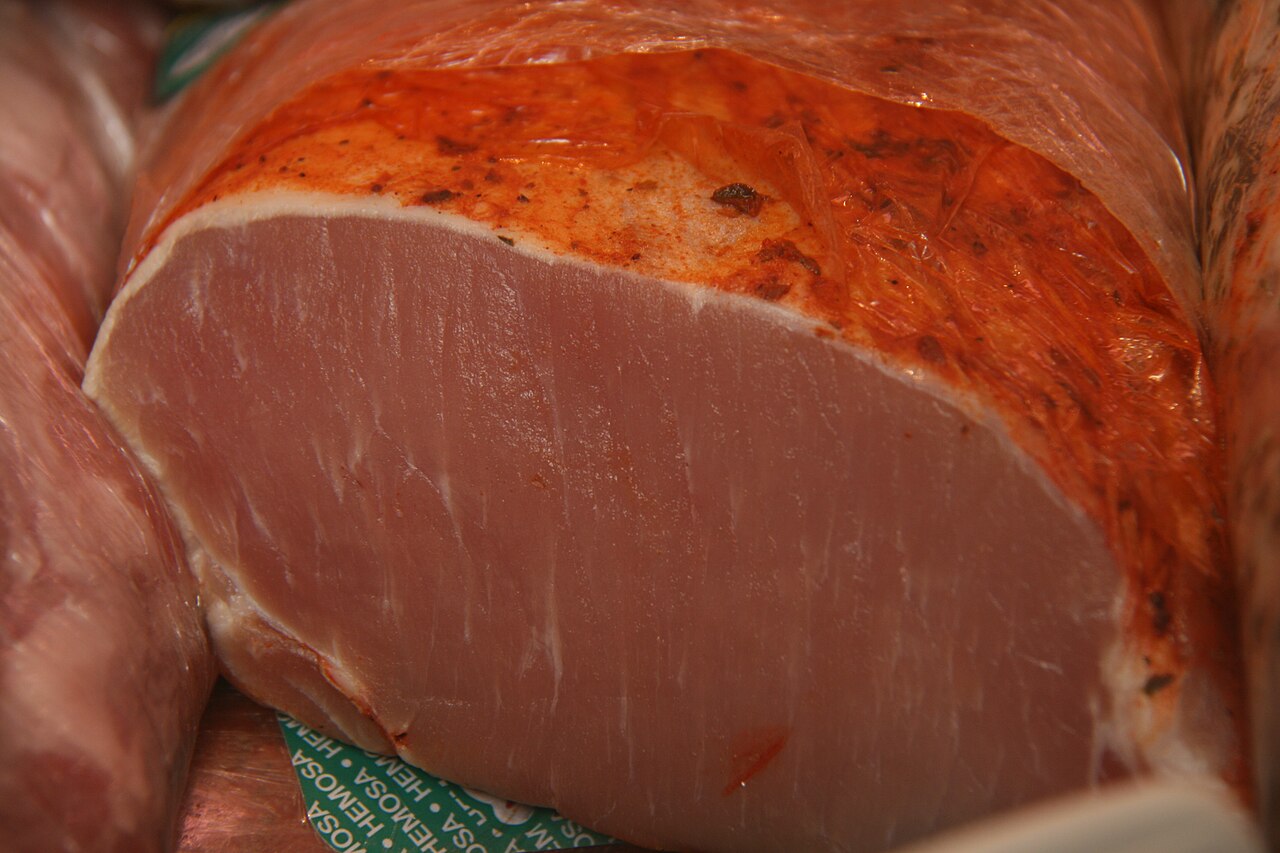
Adobo
The Genesis of Adobo
The practice of 'adobar,' from which the term 'adobo' derives, emerged from the practical necessity of food preservation in the Iberian Peninsula. Long before modern refrigeration, the immersion of food in acidic marinades, primarily vinegar-based, was a sophisticated method to extend shelf life. This technique leveraged the antimicrobial properties of acetic acid, which lowers the pH and inhibits the growth of spoilage microorganisms like bacteria and molds.
Beyond preservation, these marinades also served to tenderize tougher cuts of meat and infuse them with flavor. Ingredients like garlic, salt, oregano, and paprika were commonly employed, creating a robust flavor profile that was both palatable and effective for preservation. This Iberian tradition, known as 'carne de vinha d'alhos' in Portuguese variants, became a foundational culinary practice that would later spread across continents through exploration and trade.
Transcontinental Diffusion and the Filipino Adobo Phenomenon
As Iberian explorers and colonizers ventured into new territories, they brought their culinary traditions, including adobo, with them. The technique was adopted and adapted in Latin America, Africa, and Asia, integrating with local ingredients and palates. The most significant and distinct evolution occurred in the Philippines.
Upon encountering the indigenous Filipino practice of cooking with vinegar, the Spanish colonizers applied their term 'adobo' to it. However, Filipino adobo is not merely a derivative; it is an independent culinary development. The introduction of soy sauce, likely through Chinese trade, fundamentally altered the flavor profile, adding a profound umami depth and a characteristic dark hue that distinguishes it from its Iberian ancestors.
This adaptation transformed adobo into a beloved national dish, showcasing a remarkable example of culinary syncretism.
The Enduring Significance
The enduring importance of adobo lies in its historical role in food security and its contemporary status as a powerful culinary identifier. Historically, adobo was instrumental in enabling communities to survive periods of scarcity by making food last longer. It democratized food preservation, making it accessible without complex technology.
In the modern era, adobo's significance has shifted towards its role in cultural identity and gastronomic pleasure. Filipino adobo, in particular, is more than just a dish; it is a symbol of national heritage, evoking comfort, family, and a sense of home for Filipinos worldwide. Its complex interplay of sour, salty, and savory flavors, achieved through simple yet effective techniques, continues to captivate palates and solidify its place as a globally recognized and cherished culinary tradition.
The Chemistry of Flavor and Preservation in Adobo
The efficacy of adobo as both a preservative and a flavor enhancer is rooted in applied chemistry. The primary agent, vinegar (acetic acid), lowers the pH of the food environment, creating an acidic milieu that is inhospitable to most spoilage-causing microbes. This process is known as acid preservation. Salt (sodium chloride) contributes through osmotic dehydration, drawing water out of both the food and any microbial cells, thus inhibiting their metabolic activity. Garlic contains organosulfur compounds, such as allicin, which possess potent antimicrobial and antioxidant properties.
When these ingredients are combined, they create a synergistic effect. The acidity also aids in the denaturation and breakdown of proteins and connective tissues in meat, leading to tenderization and facilitating the deeper penetration of flavors. This intricate chemical interaction is the scientific foundation of adobo's success.
Adobo's Global Tapestry
The concept of adobo has spawned a rich tapestry of variations across the globe, reflecting diverse culinary landscapes and historical influences. While the Iberian origins emphasize paprika and oregano, Latin American adobos often feature complex spice blends, sometimes used as dry rubs or pastes. Mexican adobo, for instance, frequently incorporates chilies and tomatoes, creating a distinct regional character.
The Portuguese 'carne de vinha d'alhos' is a direct descendant, often featuring pork marinated in garlic and wine vinegar. In contrast, Filipino adobo stands as a pinnacle of adaptation, with its iconic use of soy sauce, vinegar, garlic, bay leaves, and peppercorns, often braised or simmered to achieve a rich, reduced sauce. These variations highlight the adaptability of the core principle-using a flavorful marinade for preservation and taste-and demonstrate how a single culinary idea can blossom into a multitude of unique and cherished dishes, each telling its own story of origin and evolution.
Go deeper
Frequently Asked Questions
What is adobo and why is it tasty?+
How does adobo help keep food safe?+
Where did adobo come from and how did it become a Filipino dish?+
Why is Filipino adobo special compared to other adobos?+
What does adobo teach us about cooking and sharing?+
Based on content from Wikipedia · Licensed under CC BY-SA 4.0