

Marinade: The Flavor Secret!
Images

Orange Steak Marinade Recipe Step 4


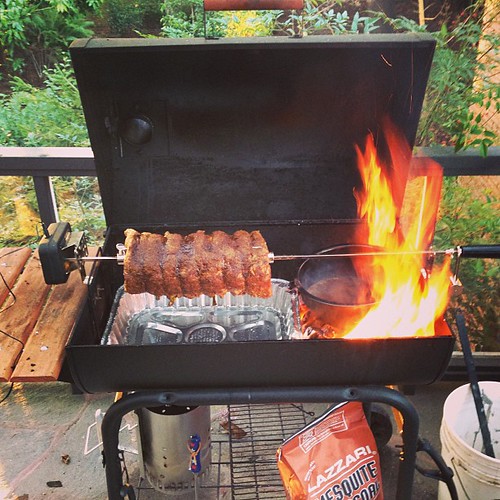


The Anatomy of a Marinade
A marinade is a complex culinary medium designed to impart flavor and alter the texture of food prior to cooking. Its fundamental components include an acidic element (e.g., vinegar, citrus juices, wine, buttermilk, yogurt), an oil base (often olive oil, vegetable oil, or sesame oil), and a spectrum of flavorings such as herbs, spices, aromatics (garlic, onion, ginger), sweeteners, and salt. The acid is crucial for tenderization, initiating protein denaturation by disrupting peptide bonds and unfolding protein structures.
However, excessive exposure can lead to over-tenderization, resulting in a mushy or chalky texture, a phenomenon sometimes referred to as 'acidic cooking'. The oil serves multiple purposes: it acts as a solvent for fat-soluble flavor compounds, aids in moisture retention during cooking, and can contribute to browning. Salt plays a vital role in enhancing overall flavor perception and can also aid in moisture retention through a process similar to brining.
The interplay of these components dictates the marinade's effectiveness in achieving desired flavor profiles and textural changes.
A Historical Tapestry
The practice of marinating food is deeply embedded in human culinary history, predating refrigeration by millennia. Early civilizations utilized acidic substances like vinegar, fermented fruit juices, and even sour milk not only to enhance palatability but primarily as a preservation method. The acidity inhibited microbial growth, extending the shelf life of perishable foods.
As culinary techniques evolved, particularly with the development of more sophisticated cooking methods and preservation technologies, the emphasis shifted. Marinades became less about survival and more about sensory enhancement. Regional variations emerged, reflecting local agricultural products and cultural tastes.
For instance, the development of soy sauce in East Asia provided a new umami-rich base for marinades, while the spice trade introduced a vast array of potent flavorings to European and Middle Eastern cuisines. This historical trajectory illustrates a transition from a functional necessity to a refined art form central to global gastronomy.
The Biochemical Ballet
The transformative power of marinades lies in intricate biochemical processes. Acidic components initiate protein denaturation, a process where the three-dimensional structure of proteins is altered. This unfolding exposes more surface area, making the meat fibers more susceptible to heat during cooking and thus more tender.
Enzymes present in certain marinades, such as those found in pineapple (bromelain) or papaya (papain), can also actively break down protein structures, offering a more potent tenderizing effect, though they require careful management to avoid over-processing. Flavor infusion occurs through a combination of diffusion and osmosis. Water-soluble flavor molecules from herbs, spices, and aromatics penetrate the food's tissues, while oil-based components carry fat-soluble flavor compounds.
Salt, beyond its flavor-enhancing properties, can increase the water-holding capacity of muscle proteins, contributing to juiciness. Understanding these mechanisms allows for precise control over the final outcome, balancing flavor penetration with optimal texture.
Global Gastronomic Signatures
Marinades are a universal culinary tool, manifesting in diverse forms across global cuisines, each reflecting unique ingredients and cooking traditions. In South Asia, yogurt-based marinades are foundational for dishes like Tandoori chicken and Tikka, where the lactic acid aids tenderization while spices like turmeric, cumin, and garam masala impart complex flavors and vibrant colors. East Asian marinades often feature soy sauce, rice wine, ginger, and garlic, creating savory and aromatic profiles for stir-fries and grilled meats.
Mediterranean marinades typically rely on olive oil, lemon juice or vinegar, garlic, and herbs like oregano and rosemary, lending a fresh, herbaceous character to grilled fish and vegetables. Latin American cuisines frequently employ citrus and chili-based marinades, such as adobo, to add heat and tang to roasted meats. The adaptability of marinades allows them to be tailored to virtually any protein or vegetable, making them an indispensable element in contemporary cooking, bridging cultural divides through shared culinary experiences.
Modern Applications and Future Trends
In contemporary culinary practices, marinades continue to evolve. Chefs are exploring novel acidic agents, such as kombucha or fermented vegetable brines, to introduce unique flavor complexities and probiotic benefits. The rise of plant-based diets has also spurred innovation in marinades for tofu, tempeh, and seitan, focusing on achieving meaty textures and rich flavors.
Advanced techniques like sous vide cooking are often paired with marinades, allowing for precise temperature control that maximizes flavor penetration without the risk of over-tenderization. Furthermore, the science of marinades is being applied in food product development, creating pre-marinated ingredients for convenience foods. Future trends may involve the use of enzymatic marinades derived from sustainable sources and the integration of molecular gastronomy principles to further enhance flavor delivery and textural modification, pushing the boundaries of what marinades can achieve.
Go deeper
Frequently Asked Questions
What is a Marinade?+
Why does acid make food tender?+
How does oil help in a Marinade?+
Why do some marinades use pineapple or papaya?+
How did people use marinades a long time ago?+
Based on content from Wikipedia · Licensed under CC BY-SA 4.0