

Acadian Peninsula
Images
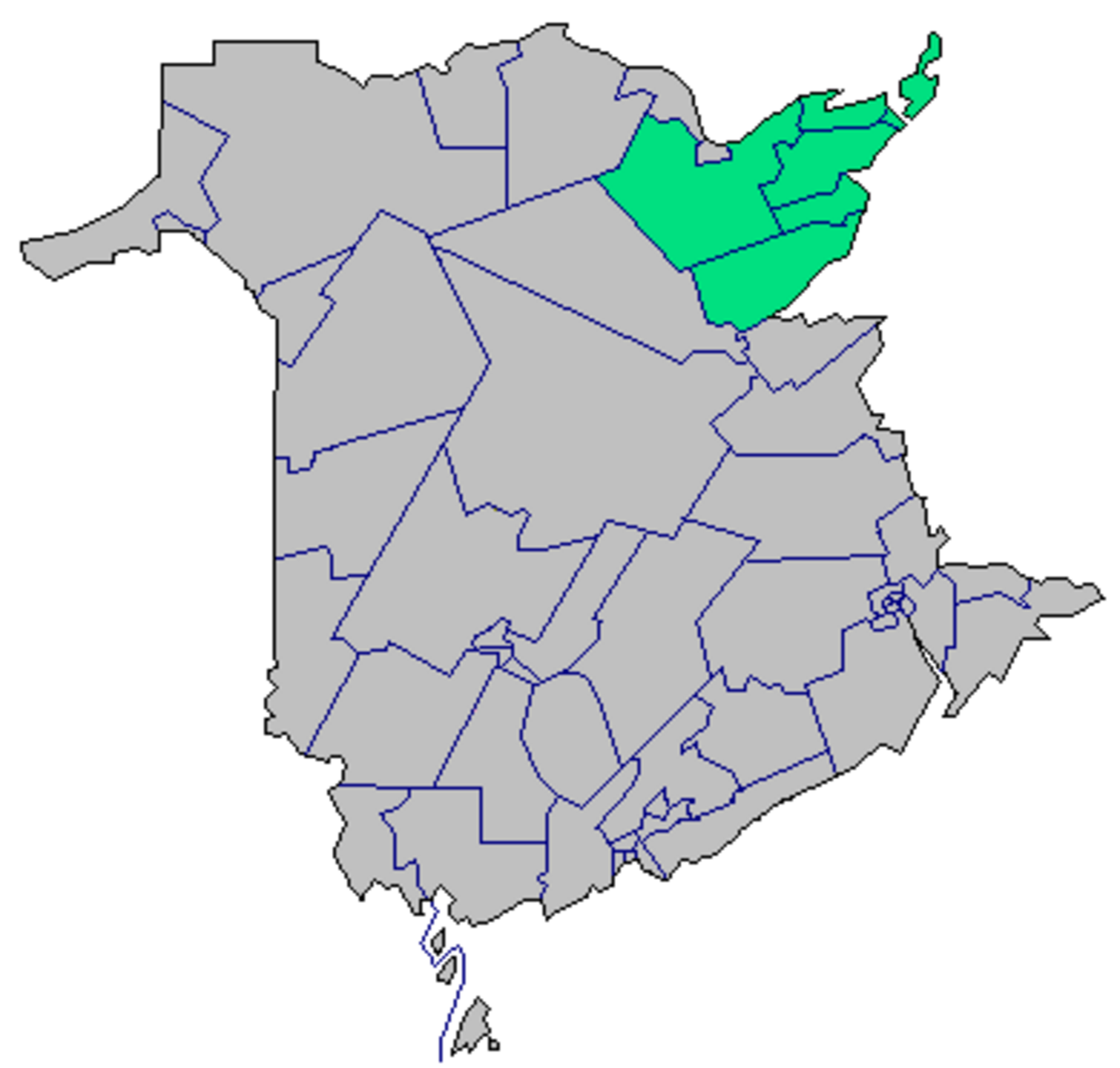
Nbridings Peninsula


Geomorphology and Climatological Influences
The Acadian Peninsula, situated in the northeastern extremity of New Brunswick, Canada, is a significant geographical entity characterized by its extensive coastline and its projection into the Gulf of St. Lawrence. It encompasses portions of Gloucester and Northumberland Counties, with its cultural and geographical identity further extended by the inclusion of Lamèque Island and Miscou Island off its northeastern tip.
The peninsula's landscape is a mosaic of coastal plains, forests, and agricultural lands, sculpted by glacial activity and ongoing marine erosion. The climate is maritime, exhibiting moderate temperatures and significant precipitation, with distinct seasonal variations. This oceanic influence moderates temperature extremes but can also contribute to fog and stormy weather.
Notable natural features include extensive peat bogs, particularly in the Shippagan and Lameque areas, which are ecologically significant and have economic value, primarily for horticultural peat extraction. These geological and climatic conditions have profoundly shaped the region's ecosystems and human settlement patterns.
Historical Trajectories
The historical narrative of the Acadian Peninsula is inextricably linked to the broader history of the Acadians, a Francophone population with deep roots in Atlantic Canada. A pivotal event shaping the peninsula's demographic composition was the Expulsion of the Acadians, a forced deportation carried out by British forces during the Gulf of St. Lawrence Campaign of 1758.
This traumatic event led to the dispersal of Acadian communities, primarily from southern New Brunswick and Nova Scotia. Following the expulsion, many Acadians eventually returned to their ancestral lands, with the Acadian Peninsula becoming a significant area of re-settlement and cultural preservation. This period of displacement and subsequent return has fostered a strong sense of identity and resilience among the Acadian population, who have worked to maintain their language, traditions, and cultural heritage against historical pressures.
The peninsula stands as a testament to their enduring spirit and their commitment to their homeland.
Socio-Economic Fabric
The economy of the Acadian Peninsula is predominantly driven by its natural resources, with fishing serving as the cornerstone industry. The rich marine ecosystems of the Gulf of St. Lawrence support a robust fishing sector, providing employment and sustenance for a significant portion of the population.
This industry is not without its challenges and risks, as tragically underscored by the disappearance of the vessels Lady Audette and Lady Dorianne in 1970/71, an event that deeply impacted the community. Complementing the maritime economy, agriculture also plays a vital role, contributing to local food security and economic diversification. The combination of these primary industries has historically defined the economic landscape of the peninsula, fostering a culture of hard work and self-reliance.
The presence of peat bogs also presents an economic opportunity through peat extraction, adding another dimension to the region's resource-based economy.
Cultural Identity and Linguistic Heritage
The Acadian Peninsula is a vibrant center of Acadian culture, characterized by its strong French language heritage and distinct traditions. The linguistic landscape is predominantly French, reflecting the historical settlement patterns and the ongoing efforts to preserve and promote the Acadian dialect. This cultural identity is expressed through various forms of artistic expression, including traditional music, dance, and literature, which are often celebrated at local festivals and community events.
The inclusion of Lamèque Island and Miscou Island within the cultural sphere of the peninsula underscores a shared sense of belonging and a unified cultural experience. The resilience of Acadian culture on the peninsula is a testament to the community's dedication to maintaining its unique heritage in the face of historical assimilation pressures. This cultural continuity is a source of pride and a defining characteristic of the region.
Governance and Educational Frameworks
The Acadian Peninsula is governed as part of the province of New Brunswick, Canada. Its administrative structure falls under the purview of the provincial government, with local governance provided by municipal councils within Gloucester and Northumberland Counties. These local bodies are responsible for municipal services, planning, and community development.
The educational system on the peninsula operates within the framework of New Brunswick's public education system, with a strong emphasis on French-language instruction, reflecting the dominant linguistic heritage of the region. Schools provide education from primary to secondary levels, aiming to equip students with the knowledge and skills necessary for future endeavors, whether within the peninsula or beyond. Efforts are made to integrate Acadian culture and history into the curriculum, ensuring that younger generations are connected to their heritage.
Post-secondary educational opportunities are accessible through institutions within New Brunswick, supporting the development of a skilled workforce and fostering intellectual growth within the Acadian community.
See also
Based on content from Wikipedia · Licensed under CC BY-SA 4.0