

Abuja: Nigeria's Amazing Capital!
Images

Abuja




Strategic Geopolitics and Urban Design
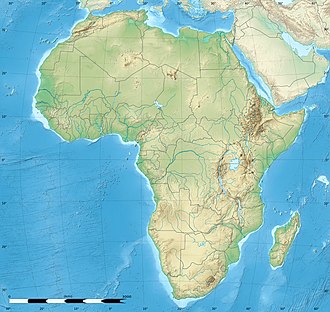
Abuja stands as a testament to deliberate national planning, serving as Nigeria's capital since December 12, 1991. Its establishment marked a significant shift from the coastal metropolis of Lagos, aiming for a more geographically central and politically neutral seat of government. Situated within the Federal Capital Territory (FCT), Abuja was conceived to consolidate Nigeria's administrative and political functions.
The city's master plan, developed by International Planning Associates, envisioned a structured urban environment with over 50 districts, designed to accommodate government institutions, residential areas, and commercial zones efficiently. This planned nature distinguishes it from many organically grown African capitals, reflecting a conscious effort to create a modern, functional, and symbolic national center. Its location at the country's midpoint facilitates accessibility and underscores its role as a unifying national symbol.
Geological Marvels Shaping the Urban Fabric
The topography of Abuja is dramatically influenced by striking geological formations, most notably Aso Rock and Zuma Rock. Aso Rock, a prominent 400-meter high monolith, is a defining feature of the city's landscape. Its formation through water erosion over millennia has created a natural landmark that anchors much of the city's core infrastructure.
The Presidential Complex, the National Assembly, and the Supreme Court are strategically located in its vicinity, drawing symbolic and physical prominence from the rock. North of the city lies Zuma Rock, an even more imposing monolith standing at 725 meters, visible from afar and serving as a significant natural monument. These geological features not only add to Abuja's aesthetic appeal but also play a role in its spatial organization and identity.
Unprecedented Urbanization and Demographic Dynamics
Abuja is renowned for its extraordinary pace of growth, consistently ranking among the world's fastest-expanding cities. The United Nations reported a staggering 139.7% population increase between 2000 and 2010, a trend that has continued with annual growth rates of at least 35%. This rapid demographic shift transforms Abuja into a dynamic and ever-evolving urban center.
The influx of people seeking economic opportunities and a better quality of life fuels constant development, from new housing estates to expanding infrastructure. While this growth signifies economic vitality and national importance, it also presents challenges in urban planning, resource management, and ensuring sustainable development for its burgeoning population.
A Nexus of Culture, Governance, and Global Engagement
Abuja functions as a crucial hub for Nigeria's governance, culture, and international relations. It hosts significant religious landmarks, including the Nigerian National Mosque and the Nigerian National Christian Centre, representing Nigeria's religious diversity and commitment to interfaith harmony. As a major conference venue, Abuja has hosted high-profile international events such as the 2003 Commonwealth Heads of Government Meeting and the 2014 World Economic Forum (Africa).
Its inclusion in the UNESCO Global Network of Learning Cities in 2016 further emphasizes its role in fostering education and knowledge exchange. The city's wealth and modern infrastructure, combined with its political significance, position it as a key player not only within Nigeria but also on the broader African continent.
Go deeper
Frequently Asked Questions
What is Abuja and why was it built?+
Where are the famous rocks in Abuja?+
How fast is Abuja growing?+
What important buildings are near Aso Rock?+
What religious places can you visit in Abuja?+
Based on content from Wikipedia · Licensed under CC BY-SA 4.0