

World Economic Forum
Images
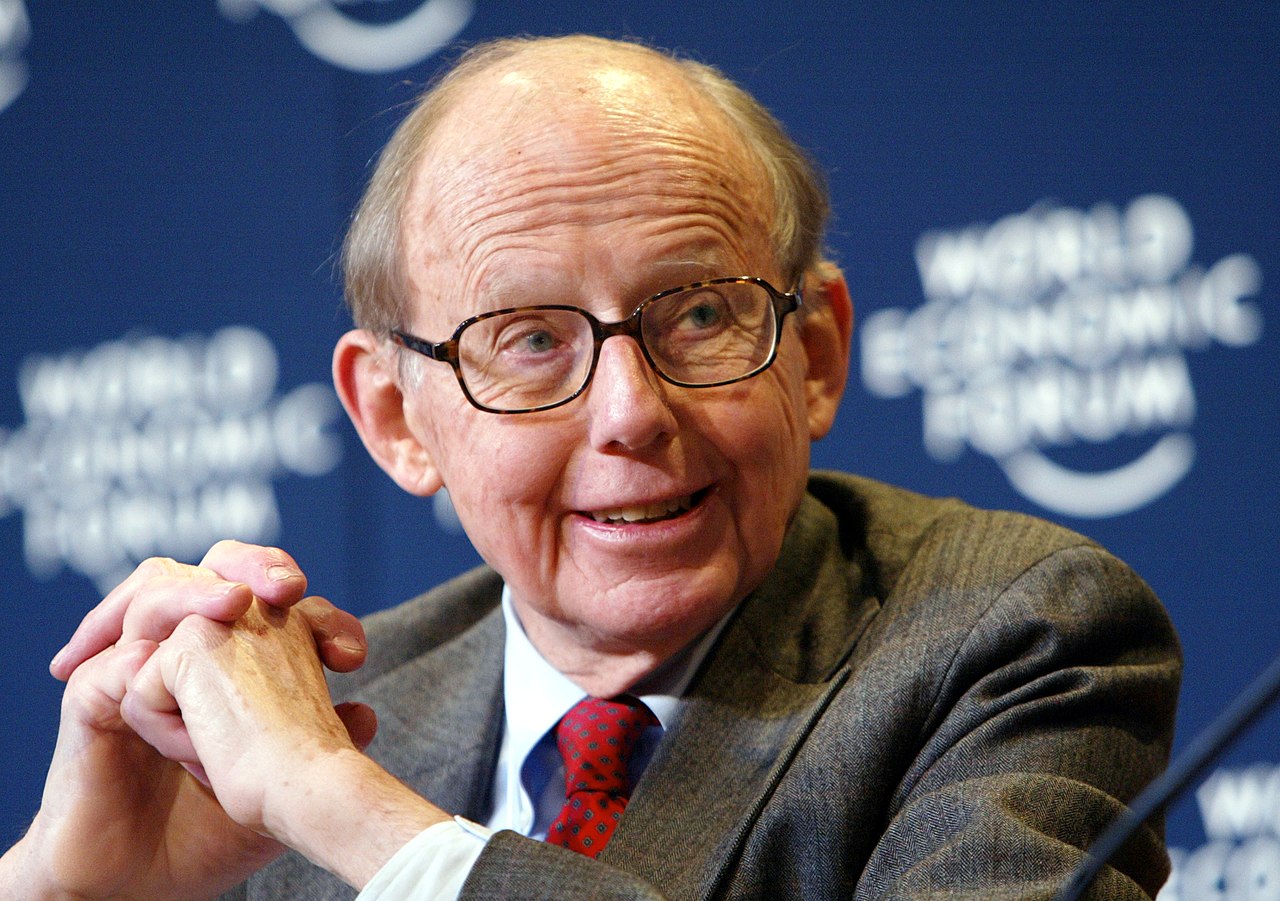
File:Samuel P. Huntington (2004 World Economic Forum).jpg


The Genesis and Evolution of a Global Forum
Founded in 1971 by German engineer Klaus Schwab, the World Economic Forum (WEF) began as the European Management Forum. Its initial objective was to introduce American business management practices to European business leaders. However, Schwab's vision quickly expanded beyond purely economic concerns.
Recognizing the interconnectedness of global challenges, the forum evolved to include political, academic, and civil society leaders. This broadening of scope led to its renaming as the World Economic Forum in 1987. The WEF's growth mirrors the increasing complexity of globalization, moving from a platform for business networking to a critical venue for discussing and attempting to resolve multifaceted global issues.
Its stated mission, 'improving the state of the world by engaging business, political, academic, and other leaders of society to shape global, regional, and industry agendas,' underscores this expansive ambition.
The Davos Conclave
The WEF is most renowned for its annual meeting held in Davos, Switzerland. This gathering, typically in late January, convenes approximately 3,000 influential figures-CEOs of multinational corporations, heads of state, academics, Nobel laureates, artists, and journalists. Over five days, they engage in around 500 sessions, delving into a vast array of topics from geopolitical stability and technological disruption to climate action and public health.
The selective nature of attendance, coupled with substantial participation fees from member companies, positions Davos as an elite forum. It serves as a unique incubator for ideas, a networking hub for powerful individuals, and a stage for high-stakes diplomacy and business deal-making, aiming to set the tone for global discourse throughout the year.
Mechanisms of Influence
The WEF operates through several key mechanisms beyond its flagship Davos meeting. Its funding primarily comes from its roughly 1,000 member multinational companies, which pay significant fees for membership and access. This financial model has drawn criticism regarding potential corporate influence over the forum's agenda.
In addition to Davos, the WEF organizes regional summits in various global locations, focusing on specific geographical or thematic issues. It also publishes influential reports, such as the Global Competitiveness Report and the Global Risks Report, which provide data and analysis used by policymakers and businesses worldwide. Furthermore, the WEF actively fosters sector-specific initiatives and platforms for collaboration, encouraging its members to work together on projects addressing shared challenges.
The Significance and Criticisms of the WEF's Role
The significance of the World Economic Forum lies in its ability to convene diverse global leaders in a single venue, fostering dialogue and potentially driving collaborative solutions to complex problems. It provides a neutral ground for discussing sensitive issues and building consensus where formal governmental channels might be insufficient. The WEF can act as a catalyst for innovation and a platform for launching global initiatives.
However, the forum is not without its critics. Concerns include allegations of corporate capture, where powerful businesses unduly influence global policy agendas. Critics also point to the lack of transparency in decision-making processes, the environmental impact of its large gatherings, and questions about its tax-exempt status and the equity of its membership criteria.
These criticisms highlight the ongoing debate about the WEF's legitimacy and effectiveness in truly serving the global public good.
WEF's Impact on Global Agendas and Future Trajectories
The World Economic Forum plays a role in shaping global agendas by setting the discourse on critical issues. The topics highlighted at Davos often influence discussions in national governments and international organizations throughout the year. For instance, the WEF has been instrumental in popularizing concepts like 'stakeholder capitalism,' which emphasizes that companies should serve the interests of all their stakeholders, not just shareholders.
It also actively promotes discussions on the Fourth Industrial Revolution, digital transformation, and sustainability, pushing these topics to the forefront of global policy considerations. While the WEF does not have formal political power, its ability to convene and influence key decision-makers means its discussions and proposed solutions can have a tangible impact on economic policies, corporate strategies, and international cooperation efforts, thereby shaping the trajectory of global development.
Go deeper
Frequently Asked Questions
What is the World Economic Forum?+
Why do so many important people go to Davos?+
Who started the World Economic Forum?+
How does the World Economic Forum get its money?+
What kind of reports does the World Economic Forum publish?+
Based on content from Wikipedia · Licensed under CC BY-SA 4.0