

Abruzzo
Images
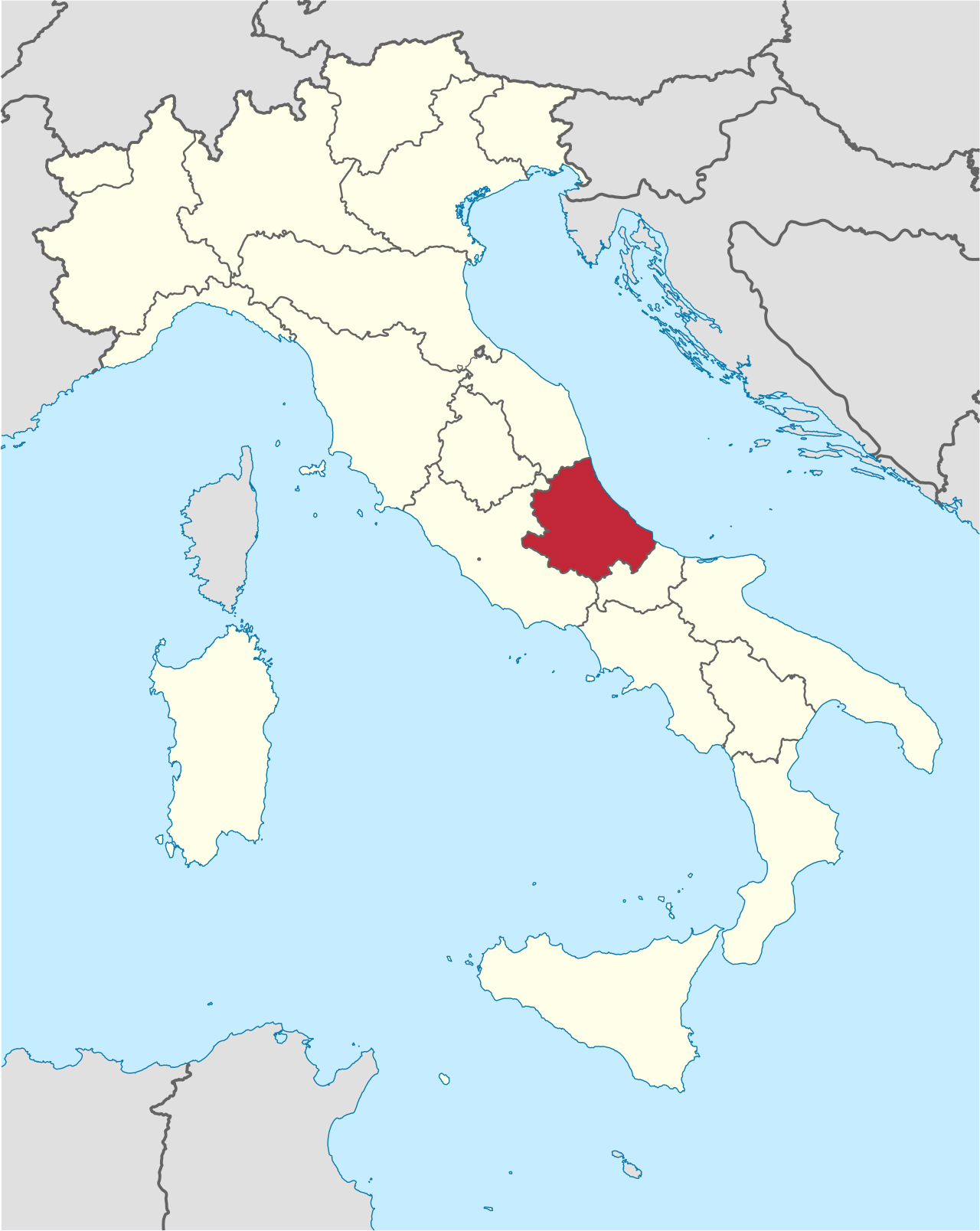
Abruzzo In Italy


Geographic Duality
Abruzzo presents a compelling geographical dichotomy, situated in Southern Italy yet often considered part of Central Italy due to its physical characteristics and proximity to Rome, lying just 80 km to its east. The region is dramatically bisected by the Apennine Mountains, which form its western and central core. This mountainous terrain includes the highest massifs of the entire Apennine range, such as the Gran Sasso d'Italia and the Maiella, creating a rugged, alpine environment.
Conversely, the eastern part of Abruzzo slopes down to a coastal plain along the Adriatic Sea, characterized by beaches and a more Mediterranean climate. This dual geography profoundly influences Abruzzo's climate, biodiversity, and human settlement patterns, fostering distinct cultural and economic activities in its mountainous interior versus its coastal fringe. The region is administratively divided into four provinces: L'Aquila (also the regional capital), Teramo, Pescara, and Chieti, each contributing to its diverse character.
The 'Greenest Region in Europe'
Abruzzo holds the distinction of being 'the greenest region in Europe,' a title earned through its extraordinary dedication to conservation. Astonishingly, almost half of its territory is designated as protected land, encompassing three national parks, one regional park, and 38 nature reserves. This extensive network of protected areas is crucial for safeguarding a remarkable array of wildlife.
Abruzzo is a vital sanctuary for species facing threats across the continent, including the Marsican brown bear, the Apennine wolf, the golden eagle, and the endemic Abruzzo chamois. The region's biodiversity is so rich that its parks and reserves host approximately 75% of Europe's animal species. Furthermore, Abruzzo is home to Calderone, one of the southernmost glaciers in Europe, a poignant indicator of the region's unique climatic conditions and ecological significance.
Historical Tapestry and Cultural Identity
Historically, Abruzzo was deeply integrated into the Kingdom of the Two Sicilies, a connection that has shaped its cultural, economic, and linguistic identity, distinguishing it from regions historically aligned with the Papal States or Northern Italian kingdoms. This historical context is fundamental to understanding its classification as part of Southern Italy by institutions like ISTAT. The region's cultural ethos is famously encapsulated by the phrase 'forte e gentile' ('strong and kind'), a description attributed to Italian diplomat Primo Levi.
This motto reflects a perceived duality in the Abruzzese character: resilience and fortitude forged by a challenging environment, coupled with a profound sense of hospitality and community. This spirit is evident in the region's traditions, its distinct dialectal variations, and the enduring strength of its historic towns and villages, many of which are perched dramatically on hillsides.
Economic Landscape
Abruzzo's economy is a complex interplay of traditional sectors and modern industrial development. Agriculture remains a significant contributor, with the fertile lands producing various crops. However, the region has also cultivated robust industrial and high-tech sectors, exemplified by centers like Avezzano, which has become a hub for technology and industry.
Pescara, the region's largest city and primary port, serves as a vital economic engine, facilitating trade and driving the service sector. Tourism, particularly ecotourism focused on its vast natural parks and coastal resorts, is increasingly important, leveraging Abruzzo's unique environmental assets. The presence of major industrial and tourist centers like Vasto, Lanciano, and Sulmona further diversifies the economic base, creating a dynamic regional economy that supports its population of nearly 1.3 million.
Governance and Education in Abruzzo
Abruzzo is governed as a region of Italy, operating under the Italian constitution and its own regional statutes. The regional government, based in the capital city of L'Aquila, is responsible for a range of administrative functions, including economic development, environmental protection, healthcare, and education. The region is divided into four provinces, each with its own elected council and administrative responsibilities, further decentralizing governance.
Educationally, Abruzzo follows the national Italian system, with a network of public and private schools from primary to secondary levels. The region also hosts higher education institutions, most notably the University of L'Aquila, which plays a crucial role in research, innovation, and providing advanced learning opportunities for students from Abruzzo and beyond. The emphasis on preserving its natural heritage is also reflected in educational programs focused on environmental science and sustainable development, preparing future generations to manage and protect the region's unique ecological assets.
Go deeper
Frequently Asked Questions
What is Abruzzo like?+
Why is Abruzzo called the greenest region in Europe?+
Where are the Apennine Mountains in Abruzzo?+
What animals can I see in Abruzzo's parks?+
What does "forte e gentile" mean about people in Abruzzo?+
Based on content from Wikipedia · Licensed under CC BY-SA 4.0