

Molise: Italy's Newest Little Gem!
Images
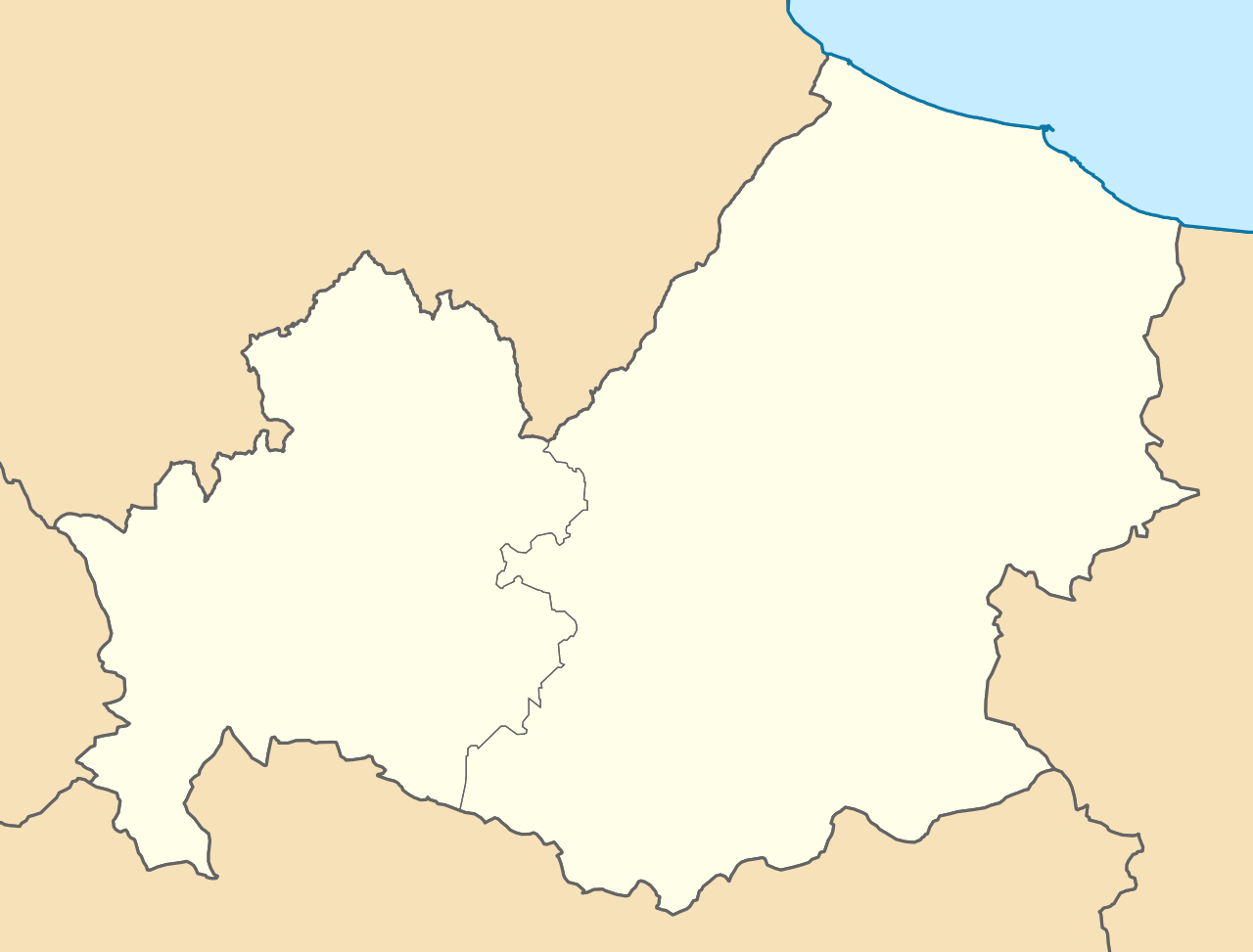
Italy Molise location map 2


Geographical Identity
Molise occupies a strategic, albeit small, geographical space in Southern Italy. Its territory is predominantly mountainous, dominated by the southern reaches of the Apennine mountain range, which significantly influences its climate and landscape. This rugged terrain gives way to coastal plains along the Adriatic Sea, creating a diverse environment that supports varied agricultural practices.
The region's rivers, such as the Biferno and Volturno, carve through the landscape, providing vital water resources. Molise's climate is typically Mediterranean, with hot, dry summers and cool, damp winters, though inland mountainous areas experience more severe winter conditions. Covering 4,460.65 square kilometers, it is the second smallest region in Italy, a characteristic that has shaped its development and its relationship with the rest of the country.
This compact size fosters a strong sense of local identity but also presents unique challenges for economic and infrastructural development.
The Genesis of a Region
Molise's distinct regional status is a relatively recent phenomenon in Italian history. Until 1963, it was administratively linked with the neighboring region of Abruzzo, forming the entity known as 'Abruzzi e Molise'. The process of separation was complex, with the split not becoming fully effective until 1970.
This makes Molise the youngest of Italy's 20 administrative regions, a fact that has profoundly influenced its modern identity and political discourse. Prior to its incorporation into unified Italy, the territory of Molise was part of the Kingdom of Naples and later the Kingdom of the Two Sicilies, sharing a common historical trajectory with much of Southern Italy. The creation of Molise as a separate region was a deliberate political act aimed at recognizing and fostering distinct local identities and administrative needs, though it has also led to its relative obscurity on the national stage, famously becoming the subject of a meme suggesting its non-existence.
Cultural Resilience
Despite its small size and historical administrative ties, Molise possesses a rich and resilient cultural heritage. The official language is Italian, but the region is also characterized by its unique Molisan dialect, which reflects a complex history of linguistic influences, including Oscan, Latin, and later Lombardic and Norman dialects. Traditional Molisan culture is deeply rooted in its agricultural past, with strong community bonds and a vibrant folk heritage.
Festivals, music, and dance play a significant role in preserving these traditions. The region's cuisine is a testament to its agricultural bounty, emphasizing simple, high-quality ingredients like durum wheat, olive oil, cheeses (such as Caciocavallo), and locally sourced meats and vegetables. This culinary tradition is a cornerstone of Molisan identity, passed down through generations and celebrated in local gastronomy.
Economic Landscape
Molise's economy is primarily driven by agriculture, with significant production of cereals, olives, grapes, and livestock. The region also has a manufacturing base, particularly in textiles and machinery, though it is less industrialized compared to Northern Italian regions. Tourism is an emerging sector, attracting visitors interested in Molise's natural beauty, historical villages, and authentic cultural experiences. However, Molise faces persistent economic challenges, including a declining population, high unemployment rates, and a reliance on state subsidies.
Its status as a smaller, less prominent region can sometimes hinder its access to national and international markets and investment. Efforts are ongoing to diversify the economy, promote sustainable tourism, and leverage its unique cultural and natural assets to foster growth and create new opportunities for its residents.
Governance and Education
Molise is governed as a regional entity within the Italian Republic. It is divided into two provinces: Campobasso, which also serves as the regional capital, and Isernia. The regional government, led by a president and a regional council, is responsible for a range of policy areas including economic development, healthcare, education, and environmental protection.
The administrative structure aims to provide services and manage resources effectively across the region. In terms of education, Molise follows the national Italian curriculum. The region hosts various educational institutions, from primary schools to vocational training centers and a university, the University of Molise, located in Campobasso.
The University of Molise plays a crucial role in research and higher education, contributing to the region's intellectual capital and offering specialized programs that can help address local economic and social needs, fostering innovation and skilled employment opportunities.
Go deeper
Frequently Asked Questions
What is Molise?+
Why is Molise called Italy's newest region?+
Where is Molise located?+
What kinds of food do people eat in Molise?+
How do people in Molise celebrate their culture?+
Based on content from Wikipedia · Licensed under CC BY-SA 4.0