

The Amazing Tokyo 2020 Olympics!
Images

Luis Orta wrestles at the 2020 Summer Olympic Games (51352838525) (cropped)




The Unprecedented Postponement and Its Ripple Effects
The 2020 Summer Olympics, officially the Games of the XXXII Olympiad, represent a pivotal moment in Olympic history, primarily due to their unprecedented postponement. Originally slated for July 24 to August 9, 2020, the Games were officially rescheduled to July 23 to August 8, 2021, a decision announced on March 24, 2020, as the COVID-19 pandemic swept across the globe. This marked the first time in the modern Olympic era that the Games were postponed, rather than canceled, a testament to their enduring significance.
Despite the one-year delay, the 'Tokyo 2020' branding was retained for marketing and legacy purposes. The decision to postpone carried immense logistical and financial implications, impacting athletes' training schedules, qualification pathways, and the global sports calendar. Furthermore, the Games became the most expensive ever, with expenditures exceeding $20 billion, a figure inflated by the extensive safety protocols and operational adjustments required by the pandemic.
Innovation and Inclusivity
Tokyo 2020 embraced innovation by introducing several new sports and disciplines, reflecting a broader effort to engage new audiences and adapt to evolving athletic trends. The International Olympic Committee's (IOC) policy allowing host cities to propose new sports for a single Games led to the inclusion of baseball and softball, karate, sport climbing, surfing, and skateboarding. Notably, sport climbing, surfing, and skateboarding made their Olympic debuts, showcasing dynamic and visually exciting sports.
Additionally, new formats like 3x3 basketball and mixed-gender team events were integrated into existing sports, promoting gender equality and team-based competition. The return of madison cycling for men and its introduction for women also added variety. These additions aimed to make the Games more relevant and appealing to younger generations and diverse fan bases worldwide.
A Spectator-Free Spectacle and Geopolitical Context
Perhaps the most defining characteristic of the Tokyo 2020 Games was their execution largely behind closed doors. In response to a state of emergency declared in the Greater Tokyo Area due to rising COVID-19 cases, spectators were largely prohibited from attending events. This created a surreal atmosphere, devoid of the usual vibrant crowds and nationalistic cheers that typically define the Olympic experience.
It was the only Olympic Games in history to be held without official spectators. Geopolitically, Tokyo 2020 was the second of three consecutive Olympics held in East Asia, following Pyeongchang 2018 (Winter) and preceding Beijing 2022 (Winter), highlighting the region's growing prominence in hosting major international sporting events. Tokyo also became the first city in Asia to host the Summer Olympics twice, having previously hosted in 1964.
The Global Medal Standings and Historic Firsts
The United States dominated the medal table, leading both in gold medals (39) and total medals (113). China secured second place with 38 gold and 89 total medals. The host nation, Japan, achieved remarkable success, setting national records with 27 gold medals and 58 overall medals, finishing third. Great Britain and the Russian Olympic Committee (ROC) rounded out the top five in gold medals.
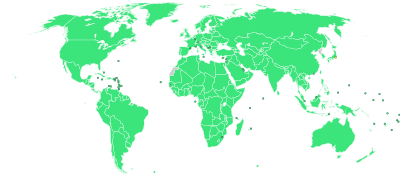
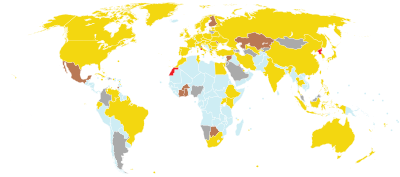
Beyond the established powerhouses, Tokyo 2020 was a landmark event for several nations achieving historic milestones. Bermuda, the Philippines, and Qatar celebrated their first-ever Olympic gold medals, while Burkina Faso, San Marino, and Turkmenistan earned their first Olympic medals of any kind. These achievements underscore the universal appeal and growing competitiveness of the Olympic movement across the globe.
See also
Frequently Asked Questions
Why were the Tokyo 2020 Olympics postponed?+
What new sports were added to the Tokyo 2020 Olympics?+
How many medals did the United States win at Tokyo 2020?+
Were there any spectators at the Tokyo 2020 Olympics?+
Which country hosted the Summer Olympics twice before Tokyo 2020?+
Based on content from Wikipedia · Licensed under CC BY-SA 4.0