

1970 FIFA World Cup: The Greatest Show on Grass!
Images

England Home Shirt 1970-1972 (emblem)




Geographical Expansion and Debut Nations
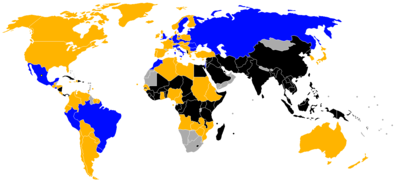
The 1970 FIFA World Cup represented a significant geographical expansion for the tournament, being the first edition hosted outside of Europe and South America, and the inaugural World Cup held in North America. Mexico's selection as host city brought the global spectacle to a new continent, broadening its international reach. The qualification process itself was a massive undertaking, involving 75 national teams from all six populated continents, commencing in May 1968.
This extensive participation underscored the growing global appeal of football. Fourteen teams successfully navigated these rigorous qualification rounds to join host nation Mexico and the reigning champions, England, in the 16-team final tournament. Notably, the tournament saw the debut appearances of El Salvador, Israel, and Morocco at the final stage, marking historic moments for these nations and signaling the increasing inclusivity of the competition.
Brazil's 'Perfect' Campaign and the Legacy of the Golden Generation
The 1970 World Cup is indelibly linked with the Brazilian national team, widely regarded as one of the greatest footballing sides of all time. Led by legendary figures such as Pelé, Gérson, Jairzinho, Rivellino, and Tostão, Brazil achieved a flawless victory, winning all six of their matches in the finals. This perfect record, coupled with their undefeated qualification campaign, cemented their status as true champions.
Their journey included crucial victories against formidable opponents: a 1-0 win against defending champions England in the group stage, a 3-1 triumph over fellow two-time champions Uruguay in the semi-finals, and a decisive 4-1 victory against Italy in the final. This remarkable feat not only secured Brazil's third World Cup title but also granted them permanent possession of the Jules Rimet Trophy, a testament to their unparalleled dominance. The attacking flair and tactical brilliance displayed by this Brazilian squad continue to inspire and influence football strategies worldwide.
Technological Advancements and Global Media Reach
The 1970 FIFA World Cup was a watershed moment in sports broadcasting, leveraging advancements in satellite communications to achieve unprecedented global reach. For the first time, matches were broadcast live around the world, allowing millions of fans to witness the drama unfold in real-time. Even more revolutionary was the introduction of color television broadcasts for select games.
This technological leap transformed the viewing experience, bringing the vibrancy of the tournament-the green pitches, the colorful kits, the passionate crowds-directly into homes with a realism never before possible. Consequently, the 1970 Finals attracted a new record television audience, solidifying the World Cup's position as a truly global media event and setting a new standard for international sports coverage.
Enduring Records and Tactical Evolution
Beyond the iconic Brazilian victory, the 1970 FIFA World Cup left a lasting legacy through its statistical achievements and tactical innovations. The tournament is renowned for producing an average goals-per-game record that remains unbeaten in subsequent World Cup Finals. This high-scoring, attacking brand of football captivated audiences and demonstrated the effectiveness of offensive strategies.
The combination of skilled individual play, exemplified by Brazil's golden generation, and the evolving tactical approaches of other nations created a dynamic and entertaining tournament. The event also highlighted the growing importance of physical conditioning and strategic preparation, as teams contended with challenging environmental factors like altitude and heat, pushing the boundaries of athletic performance in a global context.
The Jules Rimet Trophy and the Dawn of a New Era
The culmination of Brazil's third World Cup victory in 1970 brought about a significant change in the tournament's history: the permanent awarding of the Jules Rimet Trophy. This iconic trophy, first presented in 1930, was retired to Brazil, symbolizing their unparalleled success and dominance over four decades. Its retirement necessitated the creation of a new trophy for future World Cups, beginning with the 1974 tournament.
This transition marked the end of an era defined by the original prize and ushered in a new chapter for the FIFA World Cup, setting the stage for future legends and iconic moments under a new symbol of global football supremacy.
See also
Frequently Asked Questions
Where was the 1970 FIFA World Cup held?+
Who won the 1970 World Cup?+
How many teams played in the final tournament?+
What was special about the TV coverage of the 1970 World Cup?+
Which countries played in the World Cup for the first time in 1970?+
Based on content from Wikipedia · Licensed under CC BY-SA 4.0