

Copper
Images
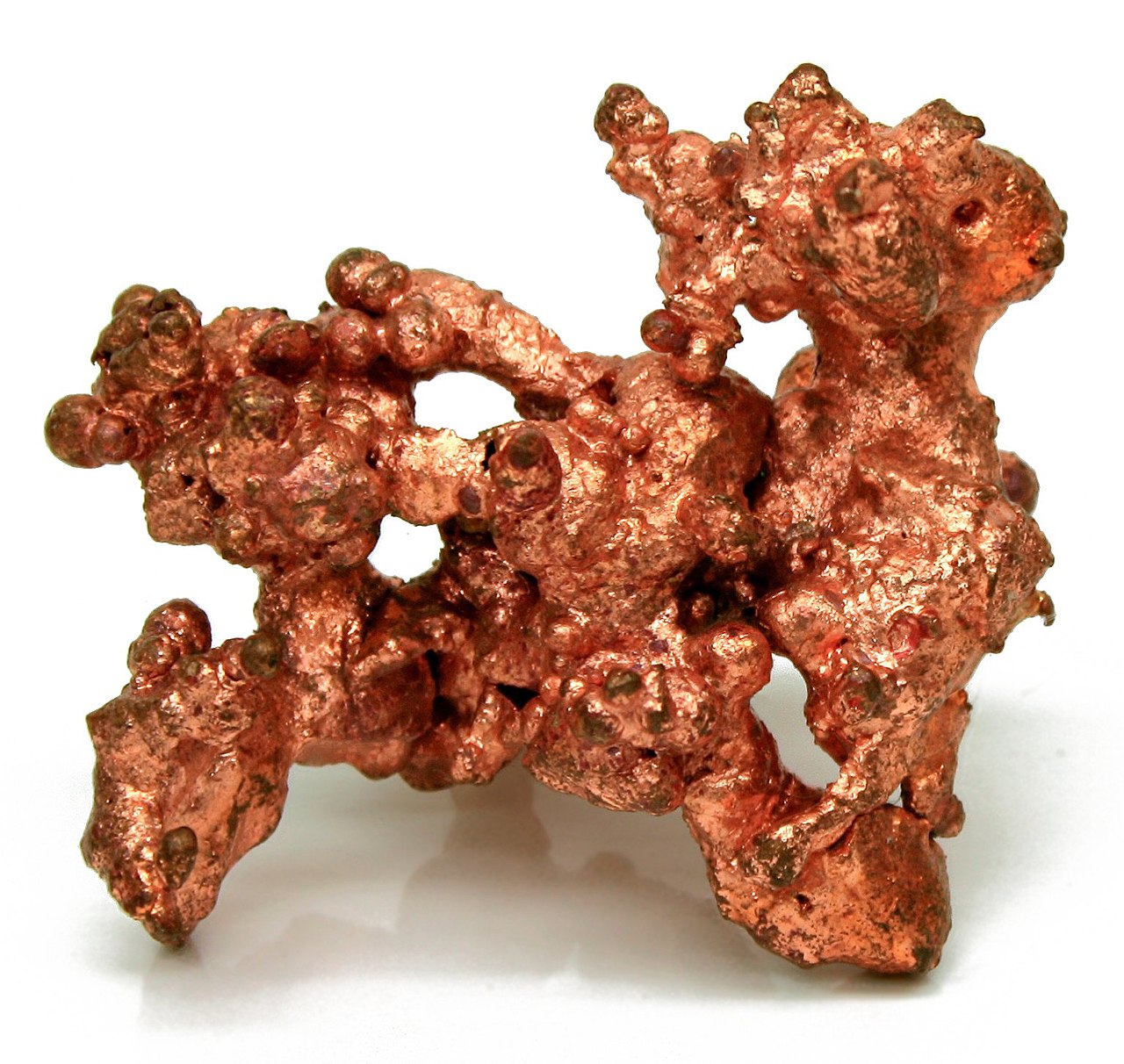
Copper
Copper's Primacy in Human History
Copper holds a unique place in the annals of human technological development, predating the widespread use of iron by millennia. Its status as a 'native metal' meant it could be found in a relatively pure, usable form, facilitating its early adoption. Archaeological evidence points to its use as early as 8000 BC.
Beyond simple use, copper marked humanity's first steps into metallurgy: it was the first metal smelted from sulfide ores (around 5000 BC), the first to be cast into molds (around 4000 BC), and crucially, the first to be intentionally alloyed. The creation of bronze, by mixing copper with tin around 3500 BC, was a revolutionary advancement, leading to the Bronze Age and fundamentally altering toolmaking, warfare, and art. This early mastery of copper processing laid the groundwork for all subsequent metallurgical innovations, demonstrating an early human capacity for material science and engineering.
Unrivaled Conductivity and Aesthetic Evolution
Copper's enduring relevance in modern technology is largely due to its exceptional physical properties, particularly its thermal and electrical conductivity. It is second only to silver in electrical conductivity among all elements, making it the ubiquitous choice for electrical wiring, connectors, and electronic components. This efficiency minimizes energy loss and ensures reliable performance in everything from household appliances to complex computing systems.
Beyond its functional prowess, copper possesses a distinctive aesthetic appeal. Pure copper exhibits a vibrant pinkish-orange hue, but its interaction with the environment leads to fascinating transformations. Oxidation results in the formation of a green patina, a layer of copper compounds like verdigris, which not only provides a striking visual characteristic, often seen on historical buildings and sculptures, but also acts as a protective barrier, preventing further corrosion of the underlying metal.
This dual nature of utility and beauty ensures copper's continued use in both functional and decorative applications.
The Biological Imperative
Far from being just an industrial material, copper is an indispensable micronutrient for all aerobic organisms, including humans. Its biological significance is profound, primarily linked to its role in oxygen metabolism. Copper is a critical component of several metalloenzymes, such as cytochrome c oxidase, which is vital for cellular respiration, the process by which cells generate energy from food using oxygen.
It is also found in hemocyanin, a protein that carries oxygen in the blood of some invertebrates, analogous to hemoglobin in vertebrates. Furthermore, copper is involved in various hydroxylase enzymes essential for the synthesis of neurotransmitters and connective tissues. The human body typically contains between 1.4 and 2.1 mg of copper per kilogram of body weight, underscoring its essentiality.
Deficiencies or excesses can lead to serious health issues, highlighting the delicate balance required for its biological function.
Copper's Colorful Compounds and Diverse Applications
The versatility of copper extends to its chemical compounds, which are responsible for a spectrum of vibrant colors and possess a range of practical applications. Minerals like azurite (blue) and malachite (green) are classic examples of copper compounds used historically as pigments, lending their rich hues to ancient artworks and decorative items. Today, these compounds continue to find use in specialized pigments.
Beyond coloration, copper compounds serve critical functions as bacteriostatic agents, inhibiting bacterial growth, and as fungicides, protecting crops and materials from fungal diseases. They are also employed as wood preservatives, extending the lifespan of timber by preventing decay. This demonstrates copper's broad impact, from the microscopic realm of cellular biology to large-scale industrial and agricultural uses.
Go deeper
Frequently Asked Questions
What is copper and why does it look shiny?+
How did people first use copper?+
Why is copper important for electricity?+
What happens to copper when it ages and why does it turn green?+
Why does our body need copper?+
Based on content from Wikipedia · Licensed under CC BY-SA 4.0