

Lusaka: Zambia's Amazing Capital!
Images
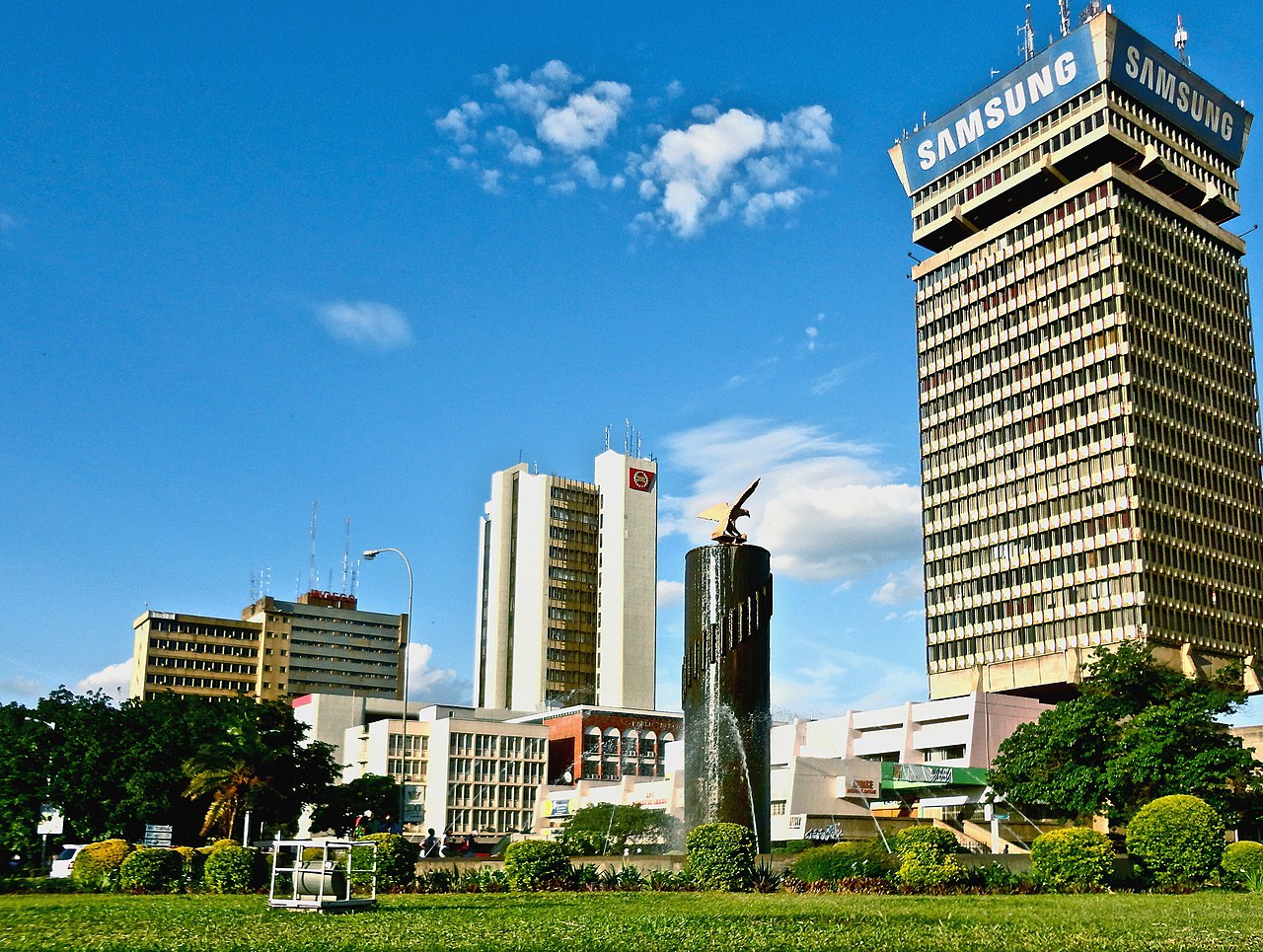
Lusaka
Geographical Nexus and Urban Landscape
Lusaka occupies a strategic position on Zambia's central plateau, situated at an elevation of approximately 1,279 meters (4,196 ft). This high-altitude location influences its climate and provides a relatively stable foundation for urban development. As one of southern Africa's fastest-growing cities, Lusaka's urban landscape is characterized by dynamic expansion.
It serves as the primary nexus for Zambia's infrastructure, with four major highways converging here, facilitating national connectivity for trade and transport. The city's layout reflects its history, transitioning from its planned origins to accommodate significant population growth, which has led to both formal, well-planned suburbs like Woodlands and Ibex Hill, and extensive unplanned settlements on its peripheries. This duality shapes the city's complex social and spatial dynamics.
Historical Evolution
The historical roots of Lusaka trace back to early settlements in the 6th century AD, with more established communities of Lenje and Soli peoples present by the 17th or 18th century. The genesis of the modern city, however, lies in 1905. Established by the British South African Company as a railway water stop named after Chief Lusaaka, its initial purpose was utilitarian.
The subsequent settlement by white Afrikaner farmers transformed it into a regional trading hub. A pivotal moment arrived in 1929 when the British colonial administration relocated the capital of Northern Rhodesia from Livingstone to Lusaka, recognizing its central geographical advantage. Post-independence in 1964, Lusaka underwent significant development, including the construction of government buildings, the University of Zambia, and a new international airport, solidifying its status as the capital of the newly formed nation of Zambia.
Demographics and Cultural Fabric
Lusaka is a demographic powerhouse, with its population estimated at approximately 3.3 million in 2019, making it the largest urban concentration in Zambia. This substantial population is a testament to its role as a magnet for internal migration, driven by economic opportunities and the search for better living conditions. The linguistic landscape is rich and diverse; while English serves as the official language for administration, the everyday vernacular is a vibrant mix of indigenous languages, prominently Bemba, Tonga, and Nyanja.
This linguistic diversity mirrors the cultural heterogeneity of the city, where traditions and customs from various ethnic groups converge, creating a unique Zambian urban identity. The rapid growth, however, has also presented challenges, notably in providing adequate formal housing, leading to the proliferation of informal settlements.
Economic Engine and Governance Hub
As the capital city, Lusaka is the undisputed epicenter of Zambia's economic and governmental activities. It functions as the primary center for commerce, hosting a vast array of businesses, financial institutions, and service industries. The concentration of government ministries and national administration in Lusaka makes it the political heart of the country, where key policy decisions are made and implemented.
The city's development trajectory is closely tied to national economic policies and international investment. While facing challenges related to rapid urbanization and infrastructure development, Lusaka's role as a commercial and administrative hub remains critical to Zambia's overall economic growth and stability. Its connectivity via major highways further enhances its importance as a distribution and trade center.
Urban Development and Societal Dynamics
Lusaka's development narrative is one of rapid transformation and adaptation. The post-independence era saw substantial investment in infrastructure, including government buildings and educational institutions like the University of Zambia, aimed at establishing the city as a modern capital. However, the significant influx of people from rural areas, both before and after independence, outpaced the provision of formal housing.
This demographic pressure resulted in the widespread emergence of unplanned settlements, often referred to as shanty towns, particularly on the western and southern fringes of the city. These areas, while often lacking formal services, represent a significant portion of Lusaka's population and are integral to its social fabric. Addressing the challenges of urban planning, service provision, and sustainable development in these areas remains a key focus for the city's future.
Go deeper
Frequently Asked Questions
What is Lusaka?+
Why is Lusaka called the heart of Zambia?+
How did Lusaka become a city?+
Where does Lusaka get its name?+
Are there many people living in Lusaka?+
Based on content from Wikipedia · Licensed under CC BY-SA 4.0