

Xerophytes: Plants That Love Dry Places!
Images
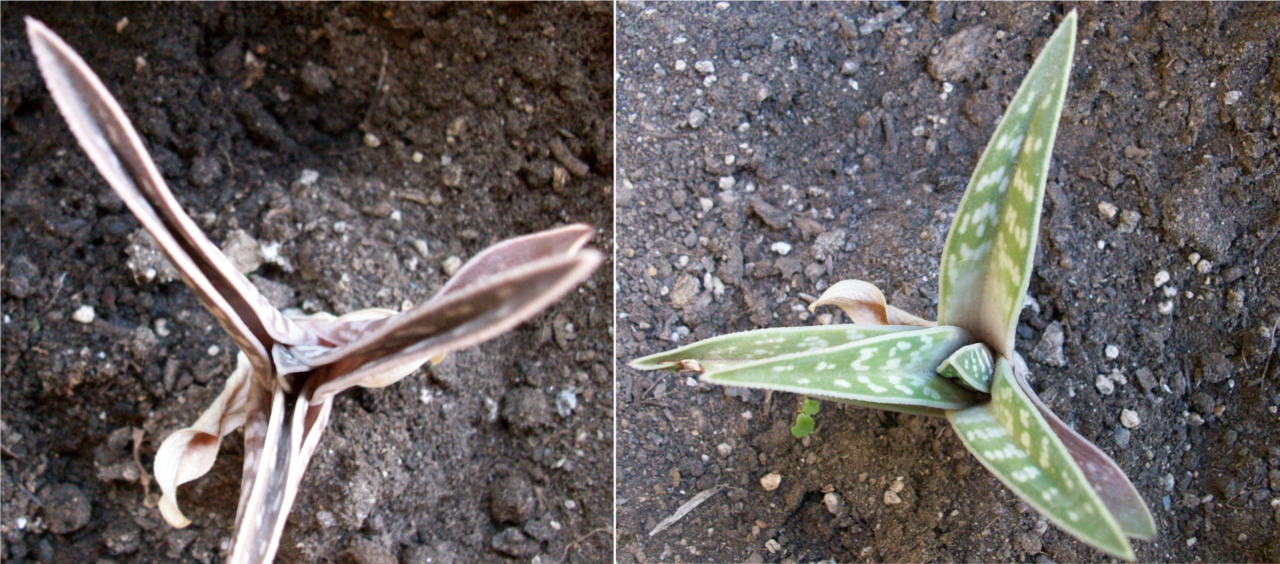
Xerophyte


The Xeromorphic Blueprint
Xerophytes represent a diverse group of plants that have converged on a suite of remarkable adaptations to thrive in environments characterized by extreme water scarcity. Their survival hinges on sophisticated morphological and physiological mechanisms designed to minimize water loss and maximize water uptake and storage. These adaptations are not random; they are the result of millions of years of natural selection in arid and semi-arid biomes.
The term 'xeromorphic' describes these specialized traits. For instance, many xerophytes exhibit reduced leaf surface area, often through the modification of leaves into spines (as in Cactaceae) or through the development of small, needle-like leaves. This drastically cuts down on transpiration, the process of water vapor loss from plant surfaces.
Furthermore, a thick, waxy cuticle on stems and leaves acts as a barrier, further impeding evaporative water loss. Some species, like certain succulents, possess Crassulacean Acid Metabolism (CAM) photosynthesis, a temporal separation of carbon dioxide uptake (at night, when temperatures are lower and humidity higher) and carbon fixation (during the day), which significantly reduces water loss during gas exchange.
Hydraulic Architecture
The root systems of xerophytes are critical components of their survival strategy, often exhibiting specialized architectures for efficient water acquisition. These can range from extensive, shallow networks designed to capture ephemeral surface moisture from dew or infrequent rainfall, to deep taproots that can access stable, subterranean water sources. For example, the mesquite tree (Prosopis spp.) is known for its exceptionally long taproots, which can extend tens of meters into the soil, allowing it to tap into deep water tables that are inaccessible to most other plants.
This hydraulic architecture is crucial for maintaining turgor pressure and supporting metabolic functions during prolonged dry periods. The ability to efficiently transport water from the soil to the rest of the plant, often against strong osmotic gradients, is a testament to the sophisticated physiological mechanisms employed by xerophytes.
Water Storage and Drought Tolerance Strategies
Beyond minimizing water loss and maximizing uptake, many xerophytes have evolved specialized tissues and metabolic pathways for water storage and enduring desiccation. Succulent plants, a prominent group of xerophytes, store large quantities of water in their fleshy leaves, stems, or roots. These tissues are often parenchymatous, with large vacuoles capable of holding significant water volumes.
Some xerophytes, particularly 'resurrection plants' (e.g., Selaginella lepidophylla), possess an extraordinary ability to withstand extreme dehydration. During dry periods, they can lose up to 95% of their cellular water, entering a cryptobiotic state where metabolic activity is virtually undetectable. Upon rehydration, these plants can rapidly resume normal physiological functions, a process that has fascinated scientists and holds potential for applications in biotechnology and agriculture, such as developing drought-resistant crops.
Ecological Roles and Future Relevance
Xerophytes are keystone species in arid and semi-arid ecosystems, shaping the environment and supporting unique biodiversity. They provide essential habitat and food resources for a specialized array of fauna, from insects and reptiles to birds and mammals, many of which have their own xerophytic adaptations. Their role in soil stabilization is paramount, preventing desertification and erosion in vulnerable landscapes.
From a human perspective, understanding xerophyte physiology offers critical insights for developing sustainable agriculture in water-scarce regions, a growing concern in the face of climate change and increasing global demand for food. Studying these resilient plants not only expands our knowledge of evolutionary biology but also provides practical solutions for global environmental challenges, underscoring their profound ecological and economic significance.
See also
Frequently Asked Questions
What are xerophytes?+
Why do xerophytes have small leaves or spines?+
How do xerophytes get water from the ground?+
What is CAM photosynthesis and why is it useful for xerophytes?+
What are resurrection plants and what can they teach us?+
Based on content from Wikipedia · Licensed under CC BY-SA 4.0