

West Kalimantan
Images

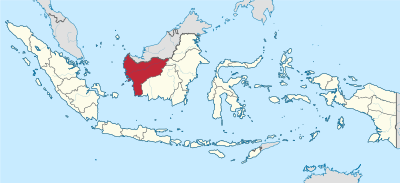
Locator map of Sanggau Regency in West Kalimantan




The Hydrography and Landscape of West Kalimantan
West Kalimantan's geography is overwhelmingly defined by its intricate network of rivers, earning it the evocative moniker 'The Province of a Thousand Rivers'. This hydrographic dominance shapes its topography, which is largely characterized by vast river basins and alluvial plains, interspersed with low hills and some mountainous regions, particularly along its eastern and southeastern borders. The Kapuas River, the longest river in Indonesia and one of the longest in the world, is the central artery, draining the majority of the province's watershed.
Its tributaries and countless smaller rivers create a complex aquatic system that has historically dictated settlement patterns, transportation routes, and economic activities. The climate is tropical rainforest, with high temperatures and humidity year-round, and abundant rainfall, which sustains the lush vegetation and the extensive river systems. The province also encompasses numerous islands along the Karimata Strait and Natuna Sea, adding a maritime dimension to its geography, though many of these are uninhabited.
Peoples and Heritage
The cultural landscape of West Kalimantan is a rich tapestry woven from the threads of numerous ethnic groups, each contributing to the province's unique identity. The Dayak people, comprising various sub-groups, form a significant indigenous population with deep historical roots in Borneo, known for their distinct traditions, languages, and ancestral lands. Alongside them, Malay communities have a strong presence, influencing the region's culture and history.
Significant populations of Chinese, Javanese, Bugis, and Madurese migrants have also settled here, creating a dynamic intermingling of customs, cuisines, and languages. While Indonesian serves as the lingua franca, the multitude of local languages and dialects spoken underscores the province's ethnic diversity. This cultural fusion is evident in local festivals, artistic expressions, and daily life, presenting a complex social dynamic that is both a source of strength and a challenge for regional integration.
Economic Drivers and Development Trajectories
The economy of West Kalimantan is primarily driven by its natural resources and agricultural potential. Key sectors include the cultivation of commodities such as palm oil, rubber, and various fruits, which are significant contributors to both local livelihoods and export revenues. Forestry, while historically important, faces increasing scrutiny regarding sustainability and conservation. The province's extensive river systems and coastal access support a robust fishing industry.
Pontianak, the provincial capital, serves as the primary economic and administrative hub, facilitating trade and commerce. West Kalimantan's strategic location also allows for cross-border trade with Malaysia, particularly with the state of Sarawak. However, the province faces developmental challenges, including the need to improve infrastructure, diversify its economy beyond primary commodities, and ensure equitable development that benefits all its diverse communities while managing environmental impacts.
Governance and Administrative Framework
As an administrative division of Indonesia, West Kalimantan operates under a provincial government structure headed by a governor. The capital city, Pontianak, functions as the seat of this government, coordinating regional policies and public services. The provincial administration is tasked with managing a diverse territory that includes extensive river networks, agricultural lands, and coastal areas.
Key responsibilities include infrastructure development, public health, education, and environmental management. The province shares a significant land border with Malaysia's Sarawak, necessitating careful border management and inter-state relations. The government's role is crucial in balancing economic development objectives, such as resource extraction and agricultural expansion, with the imperative of environmental conservation and the preservation of the unique cultural heritage of its diverse population.
Education and Human Capital Development
Education in West Kalimantan is a critical component of its development strategy, aiming to build human capital and foster social progress. The provincial government oversees a network of educational institutions, from primary schools to universities, striving to provide access to quality learning for its growing population. The curriculum generally follows national standards set by the Indonesian government, with efforts to incorporate local context and languages where appropriate.
However, challenges persist, including disparities in educational resources between urban centers like Pontianak and more remote rural areas, particularly those accessible primarily by river. Improving teacher training, educational infrastructure, and curriculum relevance are ongoing priorities. The goal is to equip the younger generation with the skills and knowledge necessary to contribute to the province's economic growth and cultural preservation, navigating the complexities of a region rich in natural resources but facing developmental hurdles.
See also
Frequently Asked Questions
What is West Kalimantan known for?+
Why does West Kalimantan have so many rivers?+
How do people travel in West Kalimantan?+
What kinds of crops grow in West Kalimantan?+
Who lives in West Kalimantan?+
Based on content from Wikipedia · Licensed under CC BY-SA 4.0