

Warmian-Masurian Voivodeship
Images

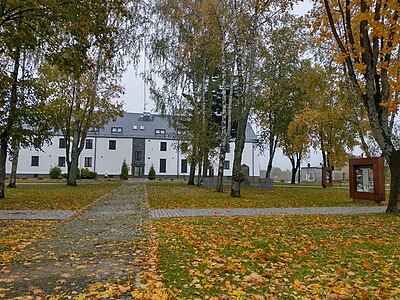
Przezmark, Warmian-Masurian Voivodeship, Poland




The Geological and Ecological Tapestry of Warmia and Masuria
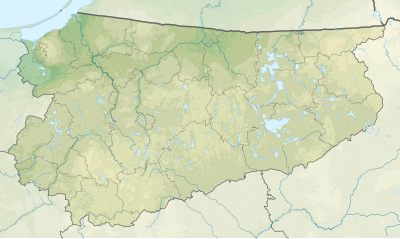
Warmian-Masurian Voivodeship is a geographical marvel in northeastern Poland, characterized by its exceptionally high density of lakes and extensive forest cover. With over 2,000 lakes, including the Great Masurian Lakes system, the region is a prime example of glacial topography, shaped by the last Ice Age. This aquatic abundance is complemented by vast tracts of forest, primarily coniferous and mixed woodlands, which are vital for biodiversity and ecological balance.
The region's natural resources have historically dictated settlement patterns and economic activities, from early agriculture and fishing to modern tourism and conservation efforts. The unique hydrological system, with interconnected lakes and rivers, also plays a crucial role in regional climate and water management, making its preservation a key concern for environmental sustainability and regional identity.
The Enduring Legacy of the Teutonic Order
The historical narrative of Warmian-Masurian Voivodeship is inextricably linked to the Teutonic Knights, a powerful crusading military order that established its dominion in the region from the late 13th century. Their strategic objective was to conquer and Christianize pagan Prussia, and they succeeded in establishing a formidable monastic state. The Knights were prolific builders, constructing a network of imposing brick Gothic castles, such as those at Lidzbark Warmiński and Olsztyn, which served as administrative centers, military strongholds, and symbols of their authority.
These structures represent a significant architectural heritage and offer invaluable insights into medieval military engineering and monastic life. The Order's rule profoundly shaped the region's demographics, economy, and political landscape, leaving a lasting imprint that continues to be studied and appreciated today.
Geopolitical Flux
The territorial and political identity of Warmian-Masurian Voivodeship has undergone dramatic transformations throughout history. For centuries, it was a contested area, eventually becoming part of the Kingdom of Prussia and later Germany. Following the conclusion of World War II in 1945, the Potsdam Agreement redrew European borders, and the region, formerly known as East Prussia, was largely incorporated into Poland.
This geopolitical shift resulted in a massive demographic upheaval, with the expulsion of the German population and the resettlement of Poles from various regions, including those displaced from eastern territories annexed by the Soviet Union. This period of profound change fundamentally altered the region's cultural composition and administrative structure, leading to the establishment of the modern Warmian-Masurian Voivodeship.
Contemporary Significance and Future Trajectories
In contemporary Poland, Warmian-Masurian Voivodeship represents a unique blend of natural splendor and historical depth. Its extensive lake districts are a major draw for domestic and international tourism, fostering a regional economy increasingly reliant on recreational activities, hospitality, and related services. The preservation of its historical heritage, particularly the Teutonic castles and towns, is a priority for cultural tourism and historical research.
Economically, while facing challenges common to many peripheral regions, it benefits from agriculture, forestry, and a growing focus on renewable energy. The voivodeship serves as a case study in post-war regional development, cultural integration, and the ongoing efforts to balance economic growth with environmental conservation, making it a significant area for understanding modern Polish regional dynamics.
Key Figures and Their Impact
While the Teutonic Knights as an institution were paramount, specific individuals played roles in shaping the region. Grand Masters like Siegfried von Feuchtwangen oversaw significant castle construction and territorial expansion. Later, figures like Nicolaus Copernicus, the renowned astronomer, served as a canon in the Warmian Chapter, residing in Frombork within the voivodeship and conducting his groundbreaking astronomical observations.
His presence highlights the intellectual and scientific contributions that emerged from the region. Post-WWII, political leaders and administrators were instrumental in integrating the territory into Poland, managing resettlement, and establishing new governance structures. These figures, from medieval commanders to Renaissance scholars and modern policymakers, collectively contributed to the complex tapestry of Warmian-Masurian Voivodeship's history and development.
See also
Frequently Asked Questions
What makes Warmian-Masurian Voivodeship special for lakes?+
Why are there so many castles in this region?+
How did the region change after World War II?+
What kind of forests are found in Warmian-Masurian Voivodeship?+
Why do tourists visit Warmian-Masurian Voivodeship?+
Based on content from Wikipedia · Licensed under CC BY-SA 4.0