

Wallace Monument
Images
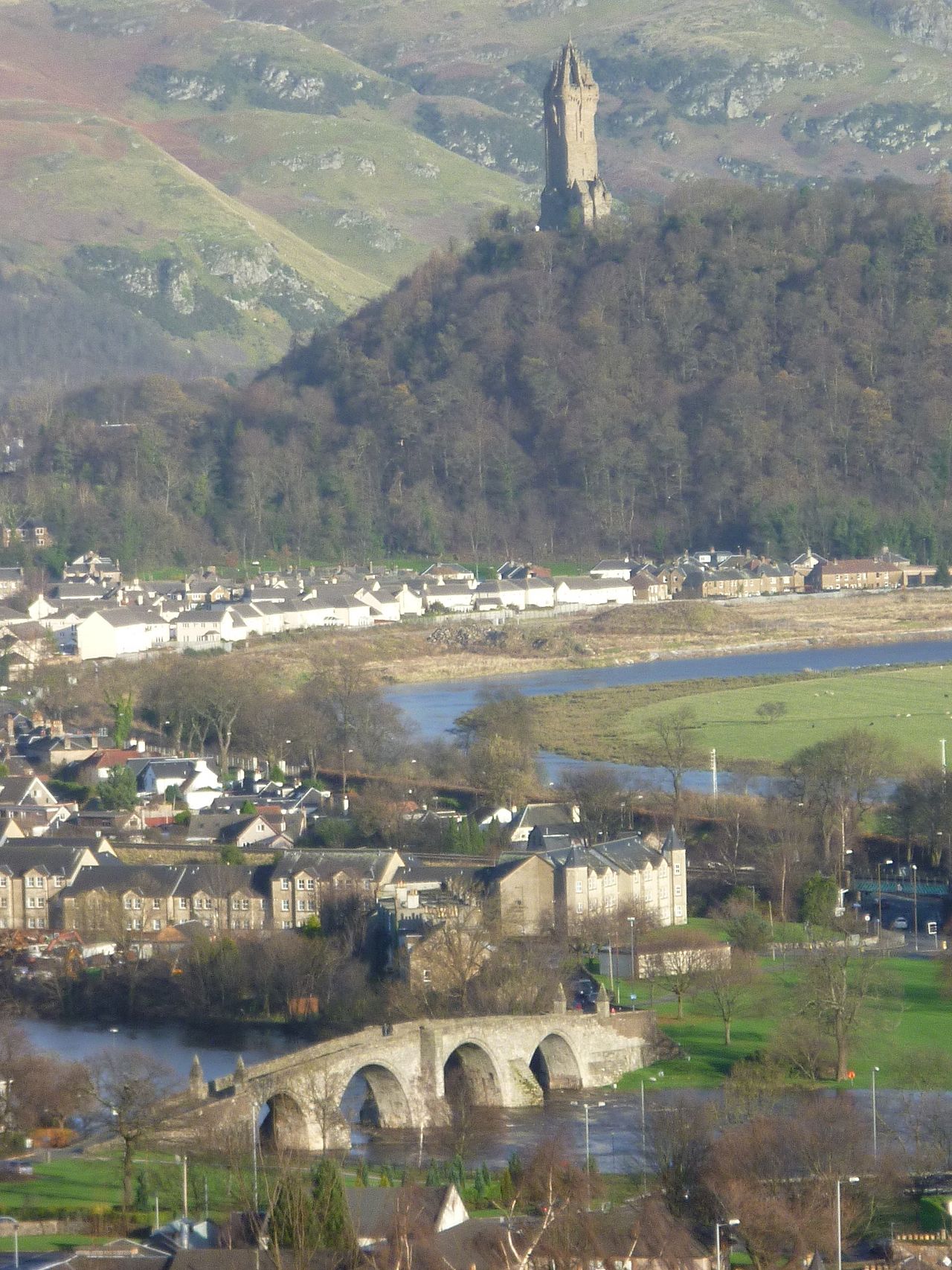
File:Old Stirling Bridge and the Abbey Craig with the Wallace Monument, Stirling Scotland.jpg


A Victorian Icon of Scottish Heroism
The Wallace Monument, a striking 67-meter (220 ft) tower situated on the Abbey Craig near Stirling, Scotland, stands as a powerful testament to Victorian-era nationalism and historical commemoration. Commissioned and funded through public subscription, its construction, completed in 1869, was a deliberate effort to immortalize Sir William Wallace, a pivotal figure in the Scottish Wars of Independence (late 13th to early 14th centuries).
The monument's Gothic Revival architectural style was chosen to evoke a sense of historical grandeur and national pride, aligning with the romanticized view of Scotland's past prevalent during the 19th century. It is not merely a structure but a symbolic representation of Scottish resilience, courage, and the enduring spirit of independence that Wallace embodied. Its prominent location on Abbey Craig ensures it is a visible landmark, constantly reminding onlookers of Scotland's rich and often turbulent history.
Ascending Through History
The visitor experience at the Wallace Monument is designed to be an immersive journey through history. The approach involves a walk up the Abbey Craig, offering panoramic vistas that would have been familiar to Wallace himself. Inside, the tower is not simply a shell but a carefully curated space.
The ascent comprises 246 steps, a physical challenge that mirrors the arduous struggles of Wallace's time. These steps lead visitors through three distinct exhibition galleries, each dedicated to different facets of Wallace's life, his military campaigns, and the broader context of the Wars of Independence. The design of these exhibitions aims to educate and inspire, providing historical context and biographical details.
The ultimate reward is the observation platform at the summit, offering breathtaking, unobstructed views of the surrounding landscape, including Stirling Castle and the Trossachs, reinforcing the strategic importance of the region during Wallace's era.
Sir William Wallace
Sir William Wallace's legacy extends far beyond his military achievements. While his leadership at the Battle of Stirling Bridge in 1297 and his subsequent appointment as Guardian of Scotland cemented his military reputation, his enduring significance lies in his symbolic power. He became a potent emblem of Scottish resistance against English domination, a figure whose defiance resonated through centuries.
Despite his eventual capture and brutal execution in 1305, his story, amplified by later accounts like Blind Harry's epic poem 'The Wallace,' transformed him into a national hero. The monument's existence is a direct result of this deep-seated veneration, serving as a physical manifestation of Scotland's collective memory and its pride in its historical champions. He represents an ideal of unwavering patriotism and a commitment to freedom, making him a timeless figure of inspiration.
The Monument's Enduring Significance and Context
The Wallace Monument transcends its function as a mere memorial; it is a cultural touchstone and a significant tourist attraction. Its construction during a period of burgeoning national consciousness in Scotland highlights its role in fostering a sense of shared identity and historical pride. In contemporary times, it continues to draw visitors keen to explore Scottish heritage, offering a tangible connection to the nation's past.
The monument's accessibility, though limited to those able to climb the stairs, ensures that the story of Sir William Wallace remains a vibrant part of Scotland's narrative. It stands as a powerful reminder of the historical struggles for sovereignty and the enduring appeal of heroic figures who embody national aspirations. Its presence on Abbey Craig solidifies its status as an iconic symbol of Scotland.
See also
Frequently Asked Questions
What is the Wallace Monument?+
Why was the Wallace Monument built?+
How many steps are in the Wallace Monument?+
Where can you see the Wallace Monument?+
What can you see from the top of the Wallace Monument?+
Based on content from Wikipedia · Licensed under CC BY-SA 4.0