

Viktor Yanukovych
Images

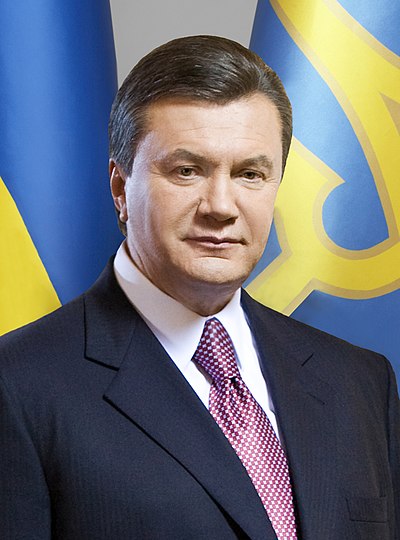
Viktor Yanukovych Greece 2011 (cropped)



Ascension Through Political Maneuvering and Electoral Contests
Viktor Yanukovych's political career spanned decades, culminating in his presidency of Ukraine from 2010 to 2014. His early career saw him rise through the ranks in his native Donetsk Oblast, eventually serving as its Governor from 1997 to 2002. He was a prominent figure within the Party of Regions, a political force that often advocated for closer ties with Russia.
Yanukovych's first major bid for the presidency in 2004 was marred by controversy. Declared the winner initially, allegations of widespread electoral fraud and voter intimidation triggered the Orange Revolution, a series of mass protests that led to the annulment of the results and a rerun election, which he lost to Viktor Yushchenko. This period was a critical juncture, exposing deep societal divisions and the fragility of democratic processes in post-Soviet Ukraine.
His resilience was evident as he continued his political career, serving as Prime Minister multiple times between 2002 and 2007, and as a member of the Verkhovna Rada (parliament) from 2006 to 2010, consolidating his influence before his next presidential run.
The 2010 Election and the Shifting Geopolitical Landscape
Yanukovych's successful presidential campaign in 2010 was seen by many international observers as free and fair, marking a significant shift in Ukrainian politics. His platform emphasized economic modernization, fostering stronger economic links with the European Union, and maintaining Ukraine's non-aligned military status. These promises resonated with a segment of the electorate looking for stability and economic improvement.
However, his tenure would soon be characterized by what analysts described as democratic backsliding. Concerns grew over the rule of law, including the controversial jailing of political opponent Yulia Tymoshenko, a decline in press freedom, and an increase in cronyism and corruption. These developments created a growing chasm between the government's actions and the aspirations of many Ukrainians for a more open and democratic society, setting the stage for future confrontations.
The Euromaidan Crisis
The defining crisis of Yanukovych's presidency erupted in November 2013. Ukraine's parliament had overwhelmingly supported finalizing an association agreement with the European Union, a move that signaled a desire for closer integration with the West. However, Yanukovych abruptly reversed course, withdrawing from the signing ceremony amidst significant economic pressure from Russia.
This decision was perceived by many Ukrainians as a betrayal of their national aspirations and a capitulation to Russian influence. It ignited massive, sustained protests, primarily centered in Kyiv's Maidan Nezalezhnosti (Independence Square), known as the Euromaidan movement. The protests evolved from a demand for European integration to a broader call for political change, fueled by widespread discontent over corruption, authoritarian tendencies, and the government's violent response to dissent.
The situation spiraled into a full-blown revolution.
Violent Climax, Flight, and Lasting Consequences
The Euromaidan protests reached a tragic crescendo in February 2014. Clashes between protesters and security forces resulted in the deaths of nearly 100 individuals, an event that profoundly shocked the nation. An agreement brokered on February 21, 2014, aimed to de-escalate the crisis, but Yanukovych secretly fled the capital that same night.
The following day, the Ukrainian parliament swiftly voted to remove him from the presidency, citing his abandonment of constitutional duties. This marked the end of his term under extraordinary circumstances. Subsequently, an arrest warrant was issued, accusing him of orchestrating the violence against protesters.
Yanukovych sought refuge in Russia, where he has remained in exile. In 2019, a Ukrainian court convicted him in absentia of high treason and sentenced him to 13 years in prison. His presidency remains a subject of intense historical debate, symbolizing a critical period of geopolitical tension and internal upheaval for Ukraine.
See also
Frequently Asked Questions
Who was Viktor Yanukovych?+
Why did Viktor Yanukovych leave the presidency?+
What was the Euromaidan movement?+
How did Viktor Yanukovych's decision about the EU affect Ukraine?+
What happened during the 2013 protests?+
Based on content from Wikipedia · Licensed under CC BY-SA 4.0