

Vernal Pools: Nature's Tiny, Temporary Ponds!
Images

Vernal pool


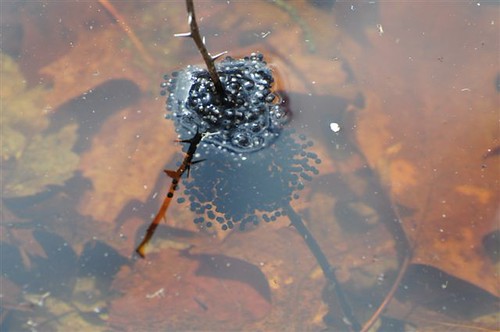


The Ecological Dynamics of Seasonal Wetlands
Vernal pools, a specific type of ephemeral wetland, are characterized by their seasonal inundation and subsequent desiccation. This hydroperiod is the primary driver of their unique ecological dynamics. Unlike permanent wetlands, vernal pools typically lack a surface outlet and are often isolated, leading to an absence of fish populations.
This fishlessness is a defining characteristic and a crucial factor for the survival of many vernal pool-dependent species. The lack of piscivorous predation allows for the successful development of amphibian larvae (tadpoles, salamander larvae) and a diverse array of invertebrates, including fairy shrimp (Anostraca), clam shrimp (Conchostraca), and various insect species. These organisms have evolved specific adaptations to cope with the fluctuating water levels and the periodic drying of the habitat, such as drought-resistant eggs or rapid life cycle completion.
The surrounding terrestrial habitats, which can range from oak woodlands and grasslands to coniferous forests and sagebrush steppes, are also intricately linked to the vernal pool ecosystem, providing terrestrial refugia and resources for pool inhabitants during dry periods.
Specialized Biota and Evolutionary Adaptations
The biota inhabiting vernal pools exhibit remarkable specialization, often displaying unique life history strategies and morphological adaptations. Amphibians, such as the California tiger salamander (Ambystoma californiense) or various species of tree frogs, utilize vernal pools as essential breeding grounds, capitalizing on the reduced competition and predation. The invertebrate fauna is particularly noteworthy.
Fairy shrimp, for instance, hatch from cysts that can remain dormant in dry soil for years, activating only when submerged in water of the correct salinity and temperature. Their life cycle is compressed, often lasting only a few weeks to months before the pool dries, at which point they reproduce and lay new cysts. Many plant species are also vernal pool endemics, adapted to survive both prolonged inundation and drought.
These include specialized grasses, wildflowers, and even carnivorous plants like sundews. The evolutionary pressures imposed by this ephemeral and fluctuating environment have fostered a high degree of endemism, making vernal pools disproportionately important for regional biodiversity conservation.
Geographic Distribution and Habitat Heterogeneity
Vernal pools are not confined to a single biome but occur across a wide range of geographic regions and climatic zones, although they are particularly prevalent in areas with a Mediterranean climate characterized by distinct wet and dry seasons. They are found throughout California, Oregon, and parts of Washington in the United States, as well as in Baja California, Mexico. Similar ephemeral wetland systems exist in other parts of the world, such as the 'vernal ponds' of the Iberian Peninsula, the 'vernal pools' of the Canadian prairies, and ephemeral wetlands in Australia and South Africa.
The specific habitat matrix surrounding vernal pools can vary significantly, influencing the associated terrestrial flora and fauna. They can be found in association with chaparral, oak woodlands, grasslands, coniferous forests, and even alpine meadows. The underlying geology and soil structure play a critical role in water retention, with hardpans, clay layers, or underlying bedrock often facilitating pool formation by creating an impermeable barrier.
Conservation Imperatives and Ecosystem Services
Despite their ecological significance, vernal pools are among the most threatened wetland types globally. Habitat loss and degradation due to urbanization, agriculture, and altered hydrological regimes pose severe risks to their persistence. Many vernal pool species are listed as endangered or threatened, underscoring the urgent need for conservation.
Protecting vernal pools involves not only preserving the pools themselves but also their surrounding watershed and upland habitats, which are crucial for species dispersal and terrestrial life stages. Vernal pools provide essential ecosystem services, including groundwater recharge, water filtration, and carbon sequestration. They also serve as valuable natural laboratories for scientific research, offering insights into ecological processes, evolutionary biology, and climate change adaptation.
Effective conservation strategies often involve land acquisition, habitat restoration, and public education to foster appreciation for these unique and vulnerable ecosystems.
See also
Based on content from Wikipedia · Licensed under CC BY-SA 4.0