

Vegetable
Images
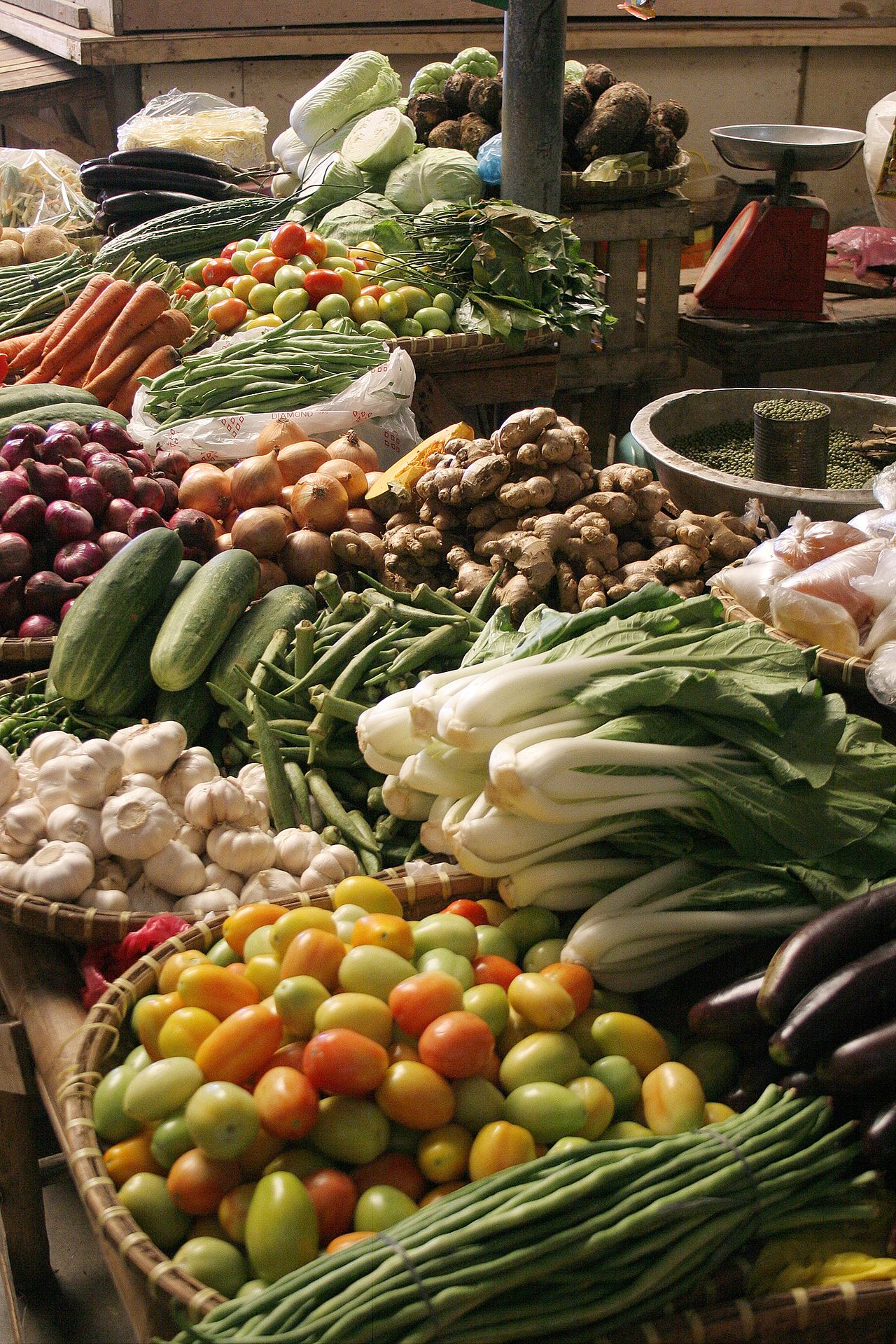
Vegetable
Defining the Vegetable
The term 'vegetable' is more complex than it first appears, often creating a divergence between botanical classification and culinary usage. Botanically, a vegetable is any edible part of a plant, excluding fruits and seeds. This includes roots (e.g., carrots, radishes), stems (e.g., asparagus, celery), leaves (e.g., spinach, kale), flowers (e.g., broccoli, cauliflower), and bulbs (e.g., onions, garlic).
However, in the culinary world, 'vegetable' typically refers to savory plant parts used in main courses or side dishes, while 'fruit' is reserved for sweet plant parts eaten as desserts or snacks. This leads to common confusions, such as the tomato, pepper, and cucumber being botanically fruits (as they develop from the ovary of a flowering plant and contain seeds) but universally treated as vegetables in cooking due to their savory flavor profile and usage. Understanding this distinction is key to appreciating the diverse forms and functions of edible plants.
The Long Arc of Cultivation
The history of vegetables is intrinsically linked to the development of human civilization and agriculture. For millennia, humans were gatherers, relying on wild edible plants. The Neolithic Revolution, beginning around 10,000 BCE, marked a pivotal shift towards deliberate cultivation.
Early farmers selected and propagated plants with desirable traits, a process known as domestication. This led to the development of distinct cultivars from their wild ancestors; for instance, modern corn evolved from a wild grass called teosinte, and cabbage varieties like broccoli, cauliflower, and kale all originated from a single wild mustard plant. The exchange of crops through trade routes, such as the Silk Road, and later, the Columbian Exchange, introduced new vegetables to different continents, profoundly altering global diets, economies, and cultures.
This ongoing process continues to shape our food systems.
Nutritional Significance
Vegetables are indispensable components of a healthy human diet, providing a vast array of essential micronutrients and phytochemicals. They are primary sources of vitamins, including Vitamin C (ascorbic acid), crucial for immune function and collagen synthesis; Vitamin A (often in the form of beta-carotene), vital for vision and cell growth; and Vitamin K, important for blood clotting and bone health. Minerals like potassium, magnesium, and folate are also abundant, playing roles in blood pressure regulation, energy metabolism, and DNA synthesis, respectively.
Furthermore, vegetables are rich in dietary fiber, which aids digestion, promotes satiety, and helps regulate blood sugar levels. The diverse array of antioxidants and other phytochemicals found in vegetables, such as flavonoids and carotenoids, offers protective effects against oxidative stress and inflammation, contributing to the prevention of chronic diseases including cardiovascular disease, type 2 diabetes, and certain cancers. A varied intake of colorful vegetables ensures a comprehensive spectrum of these health-promoting compounds.
The Biological Engine
The very existence of vegetables as food sources is a testament to the fundamental biological process of photosynthesis. This complex biochemical pathway, occurring primarily within chloroplasts in plant cells, enables plants to convert light energy into chemical energy in the form of glucose. The inputs are simple: carbon dioxide from the atmosphere, water absorbed from the soil, and solar radiation.
The outputs are glucose, which fuels plant growth and development, and oxygen, released into the atmosphere and essential for aerobic respiration in most living organisms. Different plant parts, which we consume as vegetables, represent specialized structures developed through this energy production. For example, root vegetables store energy reserves, leafy greens are optimized for light capture, and flower vegetables represent reproductive structures.
Understanding plant physiology reveals how these structures are adapted to their environment and how they store the energy and nutrients that become available to consumers.
Global Vegetable Production and Sustainability Challenges
Vegetable production is a critical sector of global agriculture, supporting food security and economies worldwide. However, it faces significant sustainability challenges. Intensive farming practices, including monoculture and heavy reliance on synthetic fertilizers and pesticides, can lead to soil degradation, water pollution, and biodiversity loss.
Water scarcity is another major concern, as many vegetables require substantial irrigation. Furthermore, post-harvest losses due to spoilage and inefficient supply chains contribute to food waste. Efforts towards more sustainable vegetable production include the adoption of organic farming methods, integrated pest management, water-efficient irrigation techniques, crop rotation, and the development of climate-resilient varieties. Consumer demand for locally sourced and sustainably grown produce is also driving change within the industry, highlighting the interconnectedness of food systems, environmental health, and societal well-being.
Go deeper
Frequently Asked Questions
What is a vegetable?+
Why do tomatoes and cucumbers count as vegetables even though they are fruits?+
How do vegetables help us stay healthy?+
Where did vegetables first start being grown?+
What makes vegetables colorful and tasty?+
Based on content from Wikipedia · Licensed under CC BY-SA 4.0