

Varadero: Cuba's Sunny Beach Town!
Images

Former Dupont Estate, Varadero




Geographical Marvel
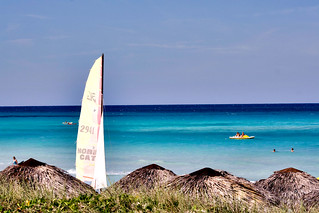
Varadero is situated on the Hicacos Peninsula, a narrow, 20-kilometer (12-mile) long landform extending from the northern coast of Cuba in the Matanzas province. This unique geography creates a distinct environment, with the warm waters of the Gulf of Mexico on one side and the Bay of Cárdenas on the other. The peninsula's low elevation and sandy soil are ideal for the development of extensive beaches, characterized by fine, white coral sand and clear, shallow waters.
The climate is tropical marine, with high temperatures year-round moderated by sea breezes, making it exceptionally conducive to tourism. Its strategic location, relatively close to North America, has historically made it an attractive destination for international visitors, shaping its development as a major tourist hub.
From Humble Beginnings to International Acclaim
The history of Varadero is a fascinating transition from a sparsely populated area, known for its natural resources and occasional use by fishermen, to one of the Caribbean's most prominent tourist destinations. Initially, the peninsula was largely undeveloped, with limited human settlement. However, its potential as a resort began to be recognized in the early 20th century.
The establishment of the Varadero Country Club in the 1930s marked a significant turning point, attracting wealthy Cubans and international elites. Post-revolution Cuba strategically invested in Varadero, developing infrastructure and expanding hotel capacity to become a major source of foreign currency. This deliberate development transformed it into a globally recognized beach destination, consistently ranking among the world's best.
Socio-Cultural Fabric and Local Life
The socio-cultural landscape of Varadero is intrinsically linked to its identity as a resort town. The local population, numbering around 20,000, is largely engaged in the service industry, supporting the massive influx of international and domestic tourists. This creates a dynamic environment where cultural exchange is constant.
While Spanish is the official language, English and other European languages are widely spoken in tourist areas. The town's culture is a blend of Cuban traditions and the cosmopolitan influences brought by global visitors. Beyond the beaches, residents and tourists can engage with Cuban culture through excursions to nearby historical cities like Matanzas and Cárdenas, or by participating in local fishing activities, a nod to the area's historical connection with the sea.
Economic Engine
Varadero's economy is almost entirely dependent on tourism, making it a critical economic engine for Cuba. The town boasts a vast array of hotels, resorts, and associated businesses, attracting millions of visitors annually. This reliance on tourism means that Varadero is highly sensitive to global travel trends, economic conditions in visitor-generating countries, and Cuba's broader geopolitical and economic policies.
The foreign currency generated from tourism is vital for Cuba's national economy, funding imports and other national development projects. Consequently, maintaining Varadero's appeal and infrastructure is a top priority for the Cuban government, ensuring its continued role as a premier Caribbean destination.
Governance and Educational Landscape
Varadero, as part of the Matanzas province, falls under the provincial government's jurisdiction, with local administration managing day-to-day affairs. The political system is that of Cuba, a socialist republic. The focus of local governance is primarily on managing the tourism infrastructure, public services, and ensuring the safety and well-being of residents and visitors. Education in Varadero follows the national Cuban model, which emphasizes universal access and a strong emphasis on science and technical training.
While specific data on Varadero's educational institutions is limited, the general Cuban system ensures that children and young adults have access to primary, secondary, and potentially tertiary education, with a curriculum that often includes vocational training relevant to the local economy, such as hospitality and tourism management.
See also
Frequently Asked Questions
What is Varadero and why is it famous?+
Where is Varadero located?+
How did Varadero become a tourist spot?+
What do people in Varadero do for work?+
Why is tourism so important to Varadero and Cuba?+
Based on content from Wikipedia · Licensed under CC BY-SA 4.0