

Vanuatu: Islands of Fire and Fun!
Images
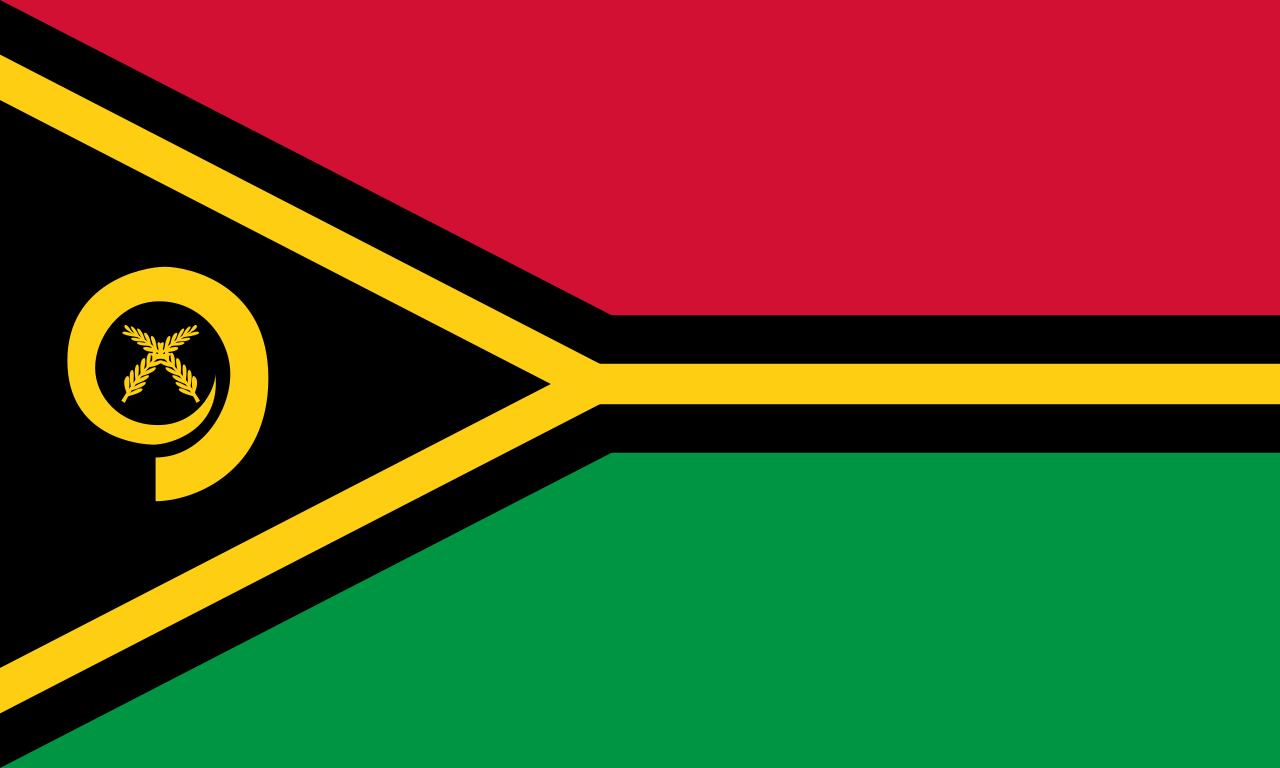
Vanuatu
Geological Crucible
Vanuatu is a striking example of island formation through intense geological processes. Situated in the Melanesia region of the South Pacific Ocean, this archipelago of approximately 83 islands is a direct product of subduction zone volcanism. The Pacific Plate is diving beneath the Australian Plate, creating a fiery arc of volcanoes that rise from the ocean floor.
This ongoing geological activity means Vanuatu is a dynamic landscape, prone to earthquakes and volcanic eruptions, with Mount Yasur on Tanna Island being one of the most accessible active volcanoes in the world. The islands' topography is characterized by rugged volcanic mountains, dense tropical rainforests, and narrow coastal plains. The climate is tropical marine, with distinct wet and dry seasons, supporting a unique biodiversity that is both fragile and resilient.
The surrounding ocean is a vital resource, influencing weather patterns and providing sustenance.
A Palimpsest of Peoples
The human history of Vanuatu stretches back millennia, with the initial settlement by Melanesian peoples. These early inhabitants developed sophisticated maritime skills and established complex social structures and cultural practices that form the bedrock of contemporary ni-Vanuatu identity. European contact began in earnest in 1606 with the arrival of the Spanish expedition led by Fernandes de Queirós, who claimed the islands for Spain and named them La Austrialia del Espíritu Santo.
However, sustained European colonization didn't occur until the late 19th century. In a unique historical arrangement, France and the United Kingdom established an Anglo-French condominium in 1906, jointly administering the territory then known as the New Hebrides. This dual colonial administration left a complex legacy, influencing the country's legal system, education, and administrative structures, and contributing to the linguistic diversity that persists today.
The Road to Sovereignty
The mid-20th century saw a growing nationalist sentiment across the Pacific, and Vanuatu was no exception. The 1970s marked a pivotal period, with the rise of an independence movement advocating for self-determination. This culminated in the proclamation of the Republic of Vanuatu on July 30, 1980, ending the condominium era.
Since achieving independence, Vanuatu has actively pursued a foreign policy focused on multilateralism and regional cooperation. It is a member of key international bodies, including the United Nations, underscoring its commitment to global peace and development. Its membership in the Commonwealth of Nations reflects historical ties, while participation in the Organisation internationale de la Francophonie highlights its French colonial heritage.
Furthermore, its role in the Pacific Islands Forum demonstrates its dedication to addressing the unique challenges and opportunities facing island nations in the region.
Languages and Enduring Cultural Practices
Vanuatu stands as a global leader in linguistic diversity, boasting an astonishing number of indigenous languages-estimated to be over 100-spoken by a relatively small population. This remarkable linguistic landscape is a direct result of the archipelago's geography, which historically fostered the development of distinct communities on different islands. Bislama, a Melanesian pidgin that evolved into a creole, serves as the national language, facilitating communication between speakers of different vernaculars.
French also retains official status, a legacy of the condominium. Culturally, Vanuatu is characterized by strong communal ties, traditional governance systems (known as 'kastom'), and vibrant artistic expressions, including intricate carvings, woven mats, and ceremonial dances. The concept of 'kastom' remains deeply influential, guiding social norms, land tenure, and customary law, often existing alongside the formal legal system.
Economic Pillars
The economy of Vanuatu is primarily driven by agriculture and tourism, with a significant portion of the population engaged in subsistence farming and fishing. Key agricultural exports include kava, copra (dried coconut flesh), cocoa, and beef. Kava, in particular, holds cultural and economic importance, used in traditional ceremonies and increasingly sought after internationally.
Tourism has become a crucial foreign exchange earner, attracting visitors with its pristine natural environments, unique cultural heritage, and adventure tourism opportunities like diving, hiking, and volcano viewing. However, the reliance on these sectors makes Vanuatu vulnerable to external economic shocks and natural disasters. The government is increasingly focused on sustainable development strategies, aiming to balance economic growth with environmental conservation and the preservation of cultural integrity, recognizing the delicate balance required for long-term prosperity in a vulnerable island nation.
Go deeper
Frequently Asked Questions
What makes Vanuatu's islands special?+
Why is Vanuatu known for many languages?+
How did Vanuatu become independent?+
Where is Mount Yasur located?+
What is the climate like in Vanuatu?+
Based on content from Wikipedia · Licensed under CC BY-SA 4.0