

Uyghurs
Images
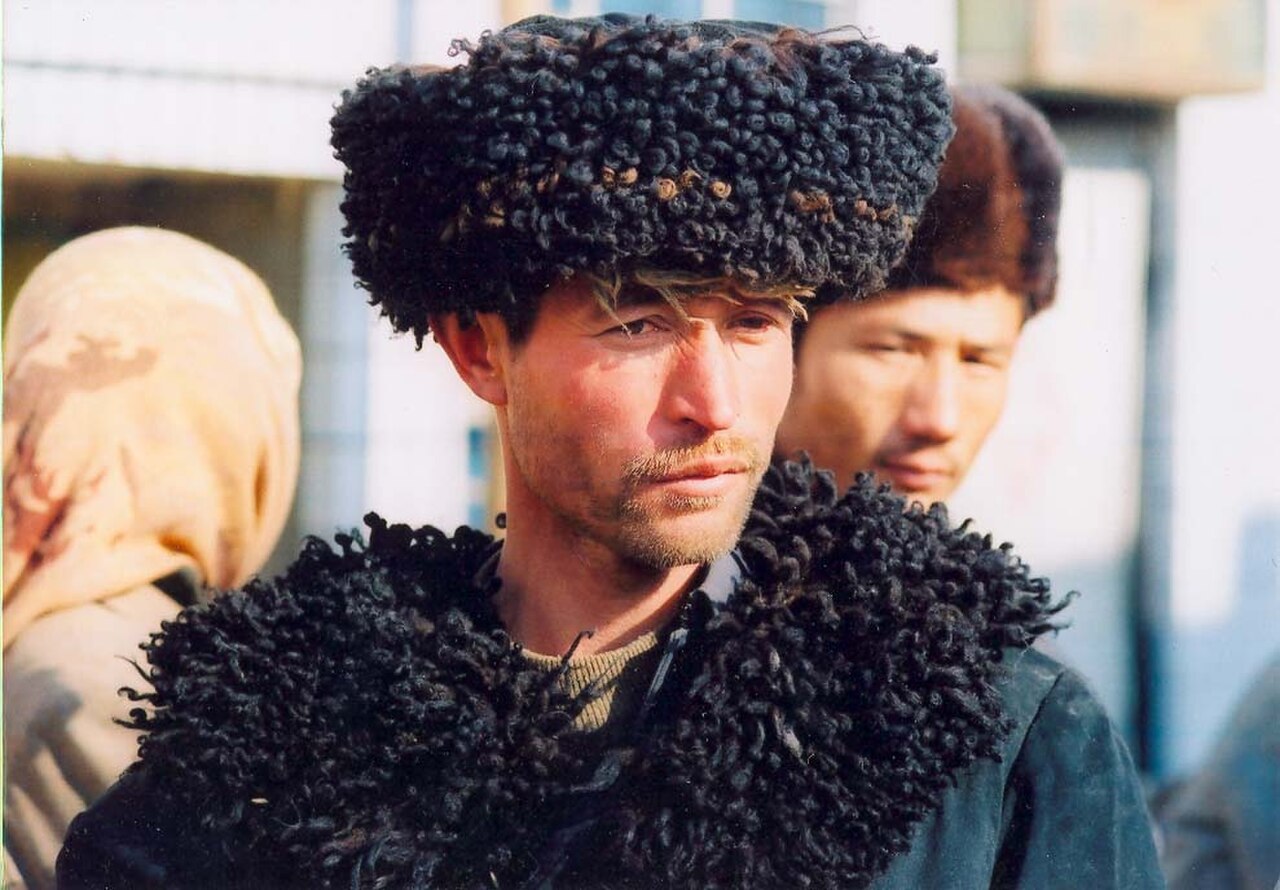
Uyghurs
Defining the Uyghur Identity
The Uyghurs are a distinct Turkic ethnic group with a history stretching back over two millennia. Their identity has been shaped by a complex interplay of nomadic traditions, settled agricultural practices, and significant engagement with diverse civilizations along the historic Silk Road. Originating from various nomadic confederations in present-day Mongolia, they migrated southward, establishing powerful kingdoms such as the Uyghur Khaganate and later settling in the Tarim Basin.
This geographical shift placed them at a crucial crossroads of cultural exchange, absorbing influences from Persian, Indian, Chinese, and later Islamic cultures. Their language, a member of the Eastern Turkic branch, reflects this historical layering, incorporating loanwords and grammatical structures from these various interactions. The development of a unique Uyghur script, evolving from Old Turkic to a modified Arabic form, further underscores their distinct cultural trajectory and their adaptation to new religious and intellectual currents, particularly the spread of Islam from the 10th century onwards.
The Silk Road Nexus
The historical significance of the Uyghurs is inextricably linked to their pivotal role on the Silk Road. For centuries, the Tarim Basin, their primary homeland, served as a vital artery for transcontinental trade and cultural diffusion. Uyghur kingdoms and city-states, such as Qocho and the Kara-Khanid Khanate, acted as crucial intermediaries, facilitating the movement of goods, technologies, and ideas between East and West.
Beyond mere trade, Uyghurs were active participants in the transmission of religious and philosophical thought, playing a role in the spread of Buddhism, Manichaeism, and later Islam throughout Central Asia. Their cities became vibrant centers of learning and artistic innovation, fostering a rich tradition of manuscript illumination, music, and performance. This era cemented their reputation as skilled merchants, diplomats, and cultural synthesizers, leaving a lasting legacy on the interconnected history of Eurasia.
Cultural Expressions
Uyghur culture is characterized by a rich array of artistic and linguistic expressions that distinguish them within the broader Turkic world. Their language, Uyghur, is notable for its phonetic richness and its extensive vocabulary, influenced by centuries of contact with neighboring languages. The literary tradition is robust, encompassing epic poetry, religious texts, and historical chronicles, often written in their distinctive script.
Musically, Uyghur traditions are renowned for their intricate melodies, complex rhythmic patterns, and the use of unique instruments like the dutar, rawap, and ghijak. Their vocal music, particularly the muqam suites, represents a sophisticated art form that blends instrumental performance with sung poetry. Culinary arts are also central to Uyghur identity, with dishes like polo (pilaf), laghman (hand-pulled noodles), and samsa (baked pastries) reflecting influences from Central Asian, Middle Eastern, and Chinese cuisines, adapted to local ingredients and tastes.
These cultural elements are not static but continue to evolve, demonstrating the resilience and dynamism of Uyghur heritage.
Contemporary Challenges and Cultural Preservation
In the contemporary era, the Uyghur people face significant challenges related to the preservation of their cultural and political identity. The Xinjiang Uyghur Autonomous Region, where the majority of Uyghurs reside, has been the site of extensive state policies that have impacted their way of life. These policies have led to international concern regarding human rights and cultural assimilation.
Despite these pressures, Uyghur communities globally continue to strive for the preservation and promotion of their unique cultural heritage. Efforts focus on maintaining their language, revitalizing traditional arts, and fostering a sense of collective identity. The diaspora plays a crucial role in these preservation efforts, acting as custodians of Uyghur traditions and advocating for their community's rights and cultural continuity on the international stage.
Understanding these contemporary dynamics is essential for a comprehensive appreciation of the Uyghur people.
Go deeper
Frequently Asked Questions
Who are the Uyghurs?+
Where did the Uyghurs originally come from?+
How did the Uyghurs help the Silk Road?+
What musical instruments do Uyghurs play?+
What are some popular Uyghur foods?+
Based on content from Wikipedia · Licensed under CC BY-SA 4.0