

Urdu Language
Images

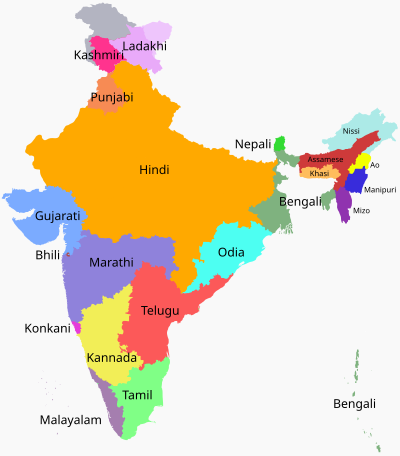
Detailed SVG map of the Hindustaniphone world




The Genesis and Evolution of Urdu
Urdu's origins are deeply rooted in the sociopolitical landscape of the Delhi Sultanate and later the Mughal Empire, emerging around the 12th century. It developed as a lingua franca from the interaction between the local Khari Boli dialect and various Perso-Turkic languages brought by invaders and ruling elites. This linguistic fusion, initially referred to by terms like Hindavi or Dehlavi, gradually incorporated significant vocabulary and grammatical structures from Persian, Arabic, and Turkish.
The patronage of the Mughal court was instrumental in its standardization and literary development, leading to the formalization of its script and grammar. The British colonial era further cemented Urdu's status, making it a language of administration and education across vast regions of the subcontinent, thus shaping its modern form and widespread use.
Urdu's Cultural Resonance and Literary Prowess
The significance of Urdu extends far beyond its role as a communication tool; it is a cornerstone of South Asian cultural identity. Its literary tradition is exceptionally rich, particularly in poetry, with forms like the ghazal, nazm, and qasida reaching pinnacles of artistic expression. Renowned poets such as Mirza Ghalib, Allama Iqbal, and Faiz Ahmed Faiz have not only shaped Urdu literature but have also influenced philosophical and political thought across the region.
Urdu's cinematic and musical heritage, especially through Bollywood and Pakistani dramas, has further amplified its reach and cultural impact globally. The language serves as a powerful medium for expressing complex emotions, philosophical ideas, and social commentary, making it a vibrant and enduring cultural force.
Linguistic Features and the Nastaliq Script
Urdu is an Indo-Aryan language, characterized by its SOV (Subject-Object-Verb) word order, though this can be flexible in poetic contexts. It employs a postpositional system rather than prepositions. A defining characteristic is its extensive use of loanwords, particularly from Persian and Arabic, which enrich its vocabulary and provide nuanced expressions.
The script used for Urdu is the Perso-Arabic script, predominantly in the Nastaliq calligraphic style. Nastaliq is renowned for its aesthetic beauty, with letters flowing seamlessly into one another, creating a cursive and artistic appearance. This script is written from right to left and is considered one of the most challenging yet beautiful scripts to master, contributing significantly to Urdu's visual identity and literary presentation.
Urdu's Contemporary Role and Global Presence
In the 21st century, Urdu remains a vital language for over 200 million people, serving as the national language of Pakistan and an officially recognized language in several Indian states. It is a primary language of education, media, and government in Pakistan, and widely spoken by Muslim communities in India. The digital age has seen Urdu adapt rapidly, with increased online content, digital keyboards, and social media engagement.
This has not only made the language more accessible but has also fostered new forms of expression and community building. Urdu's global diaspora continues to maintain and promote the language, ensuring its continued relevance and cultural significance on an international stage.
See also
Frequently Asked Questions
What is Urdu language?+
Where did Urdu come from?+
Why is Urdu special in poetry?+
How is Urdu written?+
How do people use Urdu today?+
Based on content from Wikipedia · Licensed under CC BY-SA 4.0