

Umerkot
Images
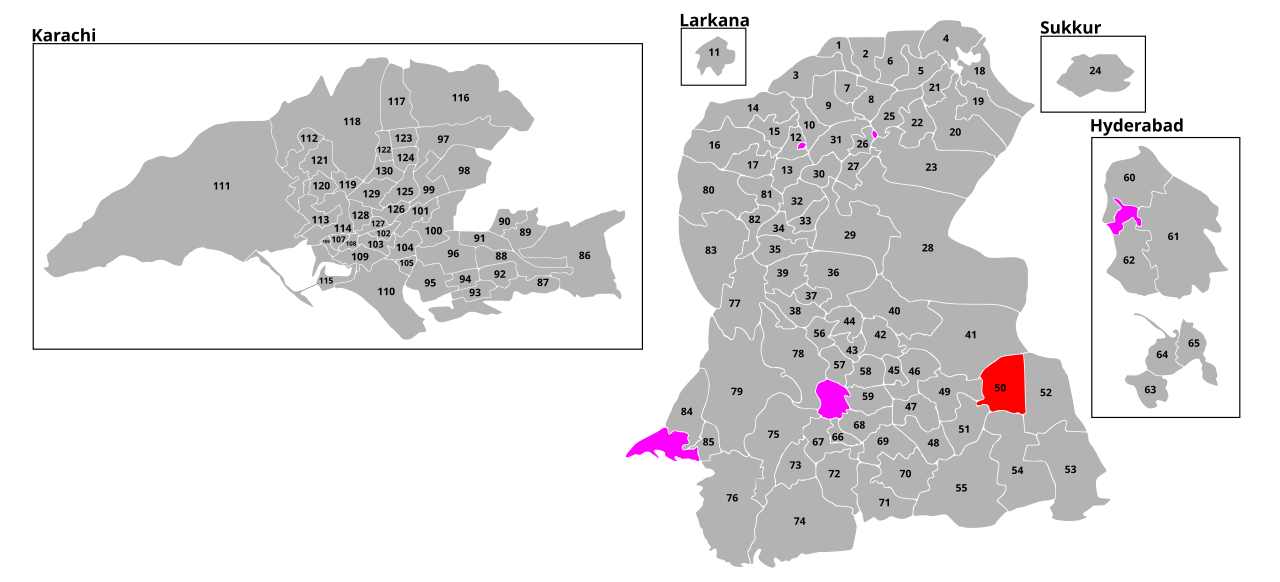
PS-50 Umerkot-II (2023)


Umerkot's Genesis
Umerkot, situated in the Sindh province of Pakistan, possesses a historical resonance that extends far beyond its contemporary identity. Originally known as Amarkot, the city's most profound historical claim to fame is its role as the birthplace of Jalal-ud-din Muhammad Akbar, the third Mughal Emperor, in 1542. This event is of monumental significance, as Akbar would go on to become one of the most influential rulers in Indian history, presiding over a vast and prosperous empire that left an indelible mark on the subcontinent's art, culture, architecture, and governance.
His birth in Amarkot, a city then under the control of local Rajput rulers, underscores the complex political landscape of the era and highlights how pivotal historical figures could emerge from diverse regional contexts. The city's association with Akbar positions it as a site of imperial lineage, drawing parallels to other locations that served as birthplaces or significant residences of major historical dynasties, thereby contributing to its enduring historical narrative and attracting scholarly interest.
Sacred Geography
Beyond its imperial legacy, Umerkot holds deep spiritual and cultural significance for the communities of the region, particularly within the framework of Hindu folklore. The city is revered as the site where two prominent folk deities, Pabuji and Ramdev, were married. These figures are central to the devotional practices and oral traditions of Rajasthan and parts of Sindh, embodying heroic ideals and spiritual guidance.
Pabuji is often depicted as a warrior-hero and a protector of cattle, while Ramdev is venerated as a mystic saint and a social reformer. Their union in Umerkot is a cornerstone of local mythology, celebrated through festivals, songs, and pilgrimage. This sacred dimension transforms Umerkot into a pilgrimage destination and a focal point for cultural identity, demonstrating how a single locale can simultaneously be a stage for imperial history and a sacred space imbued with divine narratives, reflecting a rich syncretism of historical and mythological importance.
The Linguistic Tapestry of Umerkot
The linguistic environment of Umerkot is a fascinating microcosm of the region's historical interactions and cultural exchanges. The predominant local language is Dhatki, an Indo-Aryan language that is closely related to Marwari and falls under the broader Rajasthani language group. This linguistic heritage points to historical migrations and cultural connections with the neighboring regions of Rajasthan.
However, Umerkot is not linguistically isolated. The city's inhabitants also possess a strong understanding of Sindhi, the provincial language of Sindh, as well as Urdu, the national language of Pakistan, and Punjabi. This multilingualism is a product of centuries of trade, migration, and administrative integration.
It facilitates communication and fosters a sense of shared identity among diverse communities residing in and around Umerkot, showcasing the city as a dynamic cultural crossroads where various linguistic traditions coexist and interact.
Umerkot's Enduring Significance
The multifaceted significance of Umerkot lies in its unique ability to bridge disparate historical and cultural narratives. Its status as the birthplace of Emperor Akbar anchors it firmly within the grand sweep of Mughal imperial history, offering insights into the geopolitical dynamics of 16th-century South Asia and the origins of a transformative reign. Simultaneously, its sacred association with the marriages of Pabuji and Ramdev underscores its profound importance in the religious and cultural fabric of local communities, serving as a repository of folklore and devotional traditions.
This dual identity-as a site of imperial birth and spiritual union-makes Umerkot a compelling subject for historical and anthropological study. It exemplifies how a single geographical location can embody multiple layers of meaning, reflecting the complex interplay of political power, religious belief, and cultural heritage that has shaped the identity of the region over millennia, making it a valuable locus for understanding South Asian history and culture.
See also
Frequently Asked Questions
Where is Umerkot located?+
Who was born in Umerkot?+
Why is Umerkot important in history?+
What languages do people speak in Umerkot?+
What special stories happen in Umerkot?+
Based on content from Wikipedia · Licensed under CC BY-SA 4.0