

The Très Riches Heures du duc de Berry
Images

les très riches heures du duc de berry




Patronage and Prestige
The Très Riches Heures du duc de Berry stands as a monumental achievement in medieval art, largely due to the discerning patronage of John, Duke of Berry. As a scion of the French royal family and a man of immense wealth and influence, the Duke was a voracious collector and a significant patron of the arts. His desire for a book of hours transcended mere religious devotion; it was an expression of his status, his taste, and his intellectual curiosity.
He commissioned the Limbourg brothers, who were at the height of their powers, to create a manuscript that would be both a devotional tool and a visual encyclopedia of the world as he knew it. The Duke's extensive collection of manuscripts and artworks attests to his sophisticated understanding of artistic trends and his commitment to acquiring the finest examples of contemporary craftsmanship. The Très Riches Heures was intended to be the pinnacle of this collection, a testament to his power and refinement, and a lasting legacy.
The Limbourg Brothers
The Limbourg brothers-Herman, Paul, and Jean-were instrumental in shaping the artistic landscape of the early 15th century, and their work on the Très Riches Heures is their most celebrated legacy. Working primarily between 1412 and their untimely deaths around 1416, they infused the manuscript with a groundbreaking level of detail and naturalism. Their miniatures moved beyond the stylized conventions of earlier Gothic art, incorporating elements of observation that hinted at the burgeoning Renaissance.
They depicted atmospheric effects, such as light and shadow, with remarkable subtlety, and rendered landscapes with a sense of depth and realism previously unseen. The brothers’ ability to capture the nuances of human activity, from the elaborate rituals of court life to the arduous labor of peasants, demonstrates an extraordinary keenness of eye and a profound understanding of their subjects. Their unfinished work left a void, but the portion they completed set an exceptionally high bar for manuscript illumination.
A Visual Chronicle
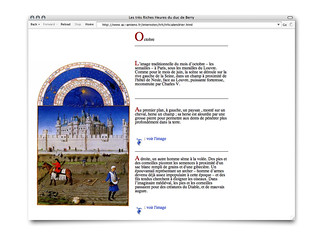
The calendar section of the Très Riches Heures is arguably its most revolutionary and historically significant component. Each month is represented by a full-page miniature that vividly illustrates the seasonal activities, social hierarchies, and environmental conditions of the period. For instance, the January page, depicting a lavish banquet, showcases the opulent attire and dining customs of the aristocracy, while the February page offers a stark contrast with its portrayal of rural peasants enduring the harshness of winter.
These scenes are not mere artistic embellishments; they function as invaluable primary sources for historians. They provide concrete evidence of agricultural practices, architectural styles, clothing fashions, and the daily lives of people across different social strata. The meticulous detail in these illustrations allows for a rich interpretation of 15th-century French society, offering insights that textual sources alone cannot provide.
Enduring Significance and Artistic Legacy
The Très Riches Heures du duc de Berry remains a touchstone of Western art history, revered for its exquisite craftsmanship and profound historical insights. Its artistic merit lies in its sophisticated composition, vibrant palette, and the delicate precision of its brushwork, which continue to inspire awe. Beyond its aesthetic qualities, the manuscript's enduring significance stems from its role as a visual repository of medieval life.
It offers a unique perspective on the social, economic, and cultural fabric of 15th-century Europe, bridging the gap between the artistic ideals of the late medieval period and the emerging naturalism that would characterize the Renaissance. The manuscript's influence can be traced through subsequent generations of artists, and its continued study by scholars highlights its indispensable contribution to our understanding of art history and the medieval world. Its survival and accessibility today allow for a direct, tangible connection to a pivotal era.
See also
Based on content from Wikipedia · Licensed under CC BY-SA 4.0