

Trento
Images
Concilio Trento Museo Buonconsiglio




Geographical and Environmental Significance
Trento's identity is inextricably linked to its dramatic Alpine setting. Situated in the Trentino-Alto Adige/Südtirol region, the city is cradled within a valley along the Adige River, a crucial waterway that has historically facilitated trade and cultural exchange. This geographical position places Trento as a significant urban center within the broader Alpine Arc.
The city actively participates in the Alpine Town of the Year Association, demonstrating a commitment to the principles of the Alpine Convention. This collaboration focuses on achieving sustainable development across the Alps, balancing economic progress with the preservation of its unique natural and cultural heritage. Trento's designation as Alpine Town of the Year in 2004 underscored its leadership in these environmental efforts, making it a model for other mountain communities seeking to thrive responsibly.
A Crucible of History
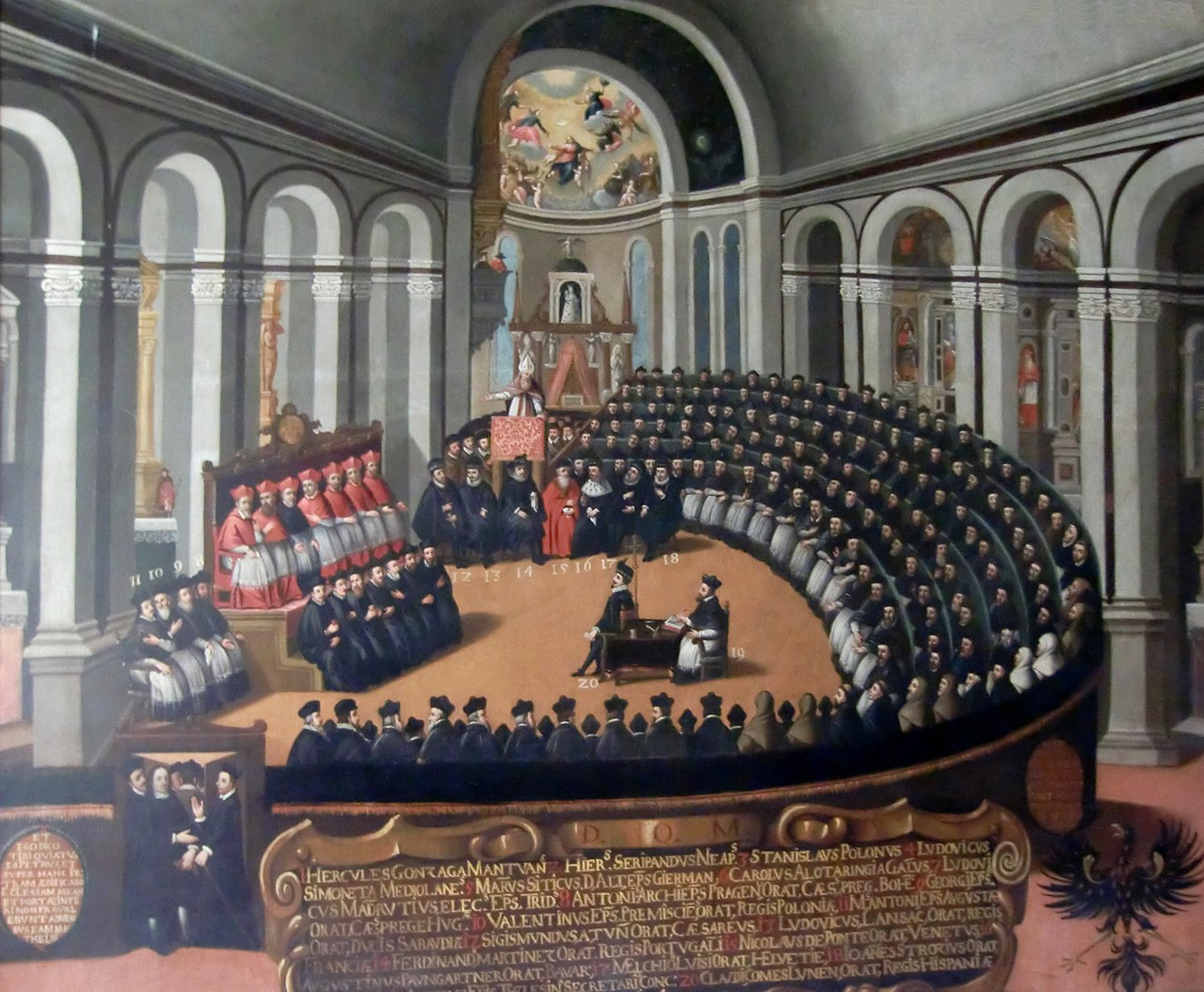
Trento's historical narrative is layered and complex, reflecting its strategic importance over centuries. While its origins trace back to Roman times, the city gained significant prominence during the medieval and Renaissance periods. Its most defining historical moment was hosting the Council of Trent (1545-1563).
This ecumenical council was a pivotal event in the Counter-Reformation, profoundly influencing the Catholic Church and European religious and political landscapes for generations. For centuries, Trento was under Austrian and Austro-Hungarian rule, a legacy visible in its architecture and cultural influences, before its annexation by Italy in 1919. This transition marked a new chapter, integrating Trento into the Italian state while retaining its distinct regional character.
The city's historic center, with landmarks like the Trento Cathedral and the Castello del Buonconsiglio, serves as a tangible link to this multifaceted past.
The Engine of Progress
Beyond its historical charm, Trento is a dynamic economic and educational powerhouse. It consistently ranks among Italy's most prosperous cities, with its province boasting a high GDP per capita, indicative of a strong and stable economy. This prosperity is fueled by a diverse economic base and a strategic focus on innovation.
The University of Trento is a cornerstone of this success. Founded in 1962, it has evolved into a prestigious institution, particularly recognized for its international outlook and strong performance in various academic rankings. Its School of International Studies is a notable example, being the only Italian institution and one of few European ones to be part of a select global group that trains future policymakers.
This academic excellence, coupled with the establishment of advanced research centers like Fondazione Bruno Kessler and the Edmund Mach Foundation, has earned Trento the moniker 'Silicon Valley of the Alps,' highlighting its burgeoning role in IT, engineering, and scientific research.
Quality of Life and Governance
Trento frequently earns top marks for its quality of life, standard of living, and economic opportunities, placing it high in national rankings. This high livability is a result of effective governance and a focus on citizen well-being. As the capital of the autonomous province of Trento, the city benefits from a degree of self-governance, allowing it to tailor policies to local needs and priorities.
This includes significant investment in public services, infrastructure, and cultural initiatives. The city's commitment to sustainability, as seen in its Alpine initiatives, further enhances its appeal. Trento demonstrates that a city can be both historically significant and economically vibrant while prioritizing the well-being of its residents and the health of its environment, offering a compelling model for contemporary urban development.
See also
Frequently Asked Questions
Where is Trento located?+
Why is Trento called the "Silicon Valley of the Alps"?+
What was the Council of Trent?+
How did Trento become part of Italy?+
What makes Trento a great place to live?+
Based on content from Wikipedia · Licensed under CC BY-SA 4.0