

Traditional African Religions
Images

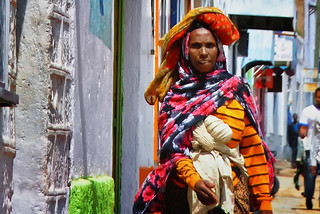
Masaika Clinic in Tanzania Reopened - Combined Joint Task Force - Horn of Africa - 091007-N-2420K-099




Cosmological Frameworks
Traditional African religions represent a diverse array of sophisticated cosmological systems that view the universe as imbued with spiritual forces. Central to these beliefs is the concept of a supreme being, often distant, and a hierarchy of lesser deities, spirits (both benevolent and malevolent), and the venerated spirits of ancestors. Ancestors are not merely deceased relatives but active participants in the lives of the living, acting as intermediaries and protectors.
This belief system fosters a profound sense of interconnectedness, where the spiritual and material realms are inseparable. The concept of 'ashe' in Yoruba tradition, for instance, represents the life force or spiritual energy that flows through all things, underscoring a dynamic and participatory relationship with the divine and the cosmos. This worldview shapes ethical conduct, social responsibilities, and an understanding of causality that often extends beyond empirical observation.
Historical Trajectories and Syncretism
The origins of traditional African religions are deeply embedded in the continent's ancient history, predating written records and evolving over millennia through migration, interaction, and adaptation. These traditions were primarily transmitted through rich oral literatures, including epic poems, myths, proverbs, and intricate ritual performances, which ensured their continuity and resilience. The arrival of external religions, particularly Islam and Christianity, led to complex processes of syncretism, where elements of traditional beliefs were integrated into or coexisted with the new faiths.
This fusion is evident in various cultural expressions across Africa, demonstrating the adaptability and enduring influence of indigenous spiritual frameworks. Understanding this historical development is crucial to appreciating the nuanced religious landscape of contemporary Africa.
Socio-Cultural Significance and Ethical Imperatives
The enduring significance of traditional African religions lies in their integral role in shaping social structures, cultural identity, and ethical frameworks. These belief systems provide a comprehensive moral code that emphasizes communal well-being, respect for elders and authority, hospitality, and the maintenance of social harmony. They offer a robust system for conflict resolution and social cohesion, often through community-based justice systems influenced by spiritual principles.
Furthermore, these religions are intrinsically linked to cultural practices, art, music, and governance, serving as the bedrock of many African societies. The emphasis on 'ubuntu' (humanity towards others) exemplifies the ethical imperative to recognize the inherent dignity and interconnectedness of all individuals, fostering a collective responsibility for the welfare of the community.
Ritual, Divination, and Spiritual Mediation
Practices within traditional African religions are designed to maintain equilibrium between the human, natural, and spiritual worlds. Rituals, often elaborate and community-oriented, serve to honor deities and ancestors, mark significant life transitions (birth, initiation, marriage, death), and address communal needs such as fertility or protection. Divination plays a critical role in understanding the will of the spirits, diagnosing the causes of misfortune, and seeking guidance for future actions.
Diviners, through various methods like casting lots, interpreting signs, or trance states, act as crucial intermediaries. Elders and priests also serve as spiritual mediators, possessing specialized knowledge and authority to perform ceremonies and interpret spiritual messages, thereby reinforcing social order and spiritual well-being.
Contemporary Relevance and Global Impact
Despite the pervasive influence of global religions, traditional African religious beliefs and practices continue to hold significant sway across the continent and in the African diaspora. They often exist in dynamic interplay with Christianity and Islam, influencing theological interpretations, liturgical practices, and cultural expressions. The philosophical underpinnings of these traditions, such as the emphasis on community, interconnectedness, and respect for nature, offer valuable perspectives on contemporary global challenges, including environmental sustainability and social justice.
The study of traditional African religions provides critical insights into the diversity of human spiritual experience and the enduring power of indigenous worldviews in shaping identity and meaning.
See also
Frequently Asked Questions
What are traditional African religions?+
Why do people honor ancestors in these religions?+
How do people learn about these religions?+
What is 'ubuntu' and why is it important?+
How do rituals help people in traditional African religions?+
Based on content from Wikipedia · Licensed under CC BY-SA 4.0