

The O2 Arena
Images
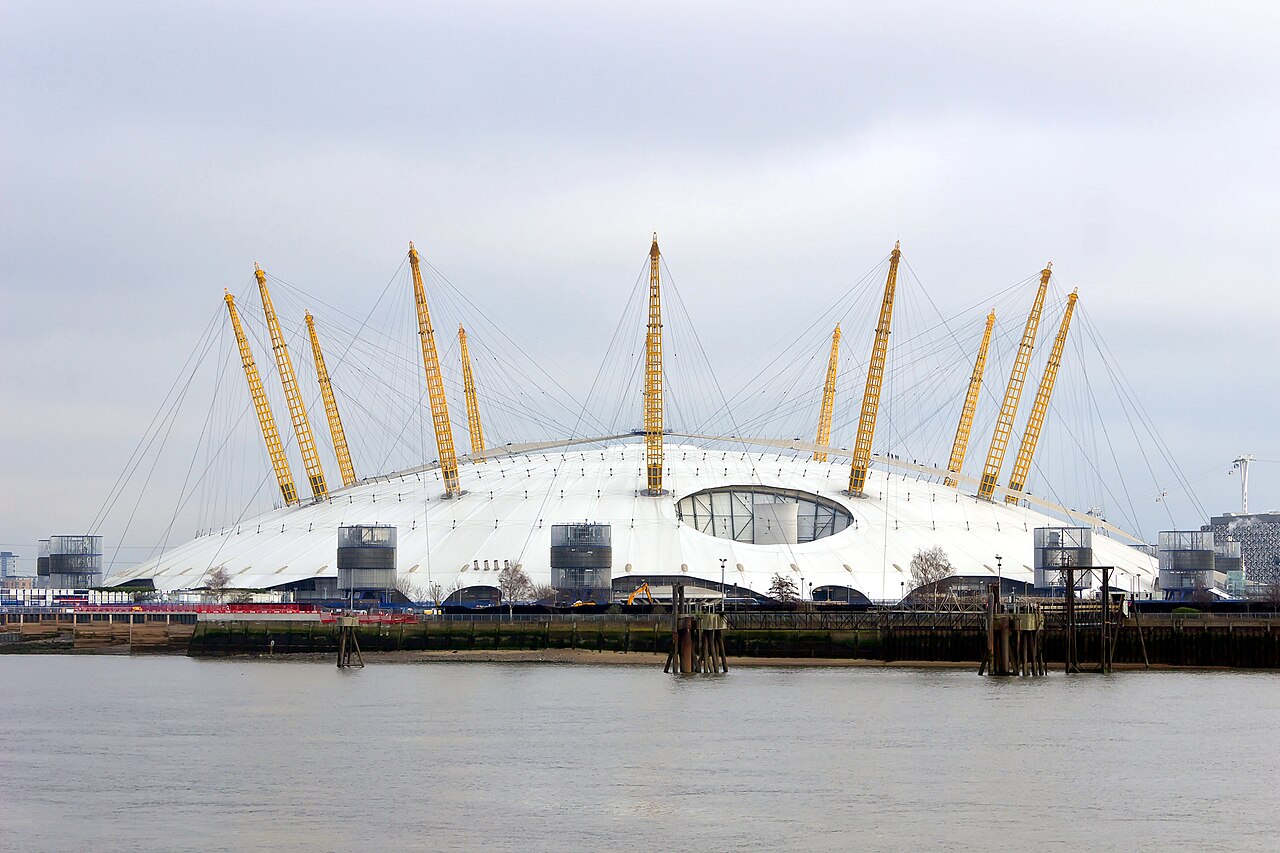
O2 Arena


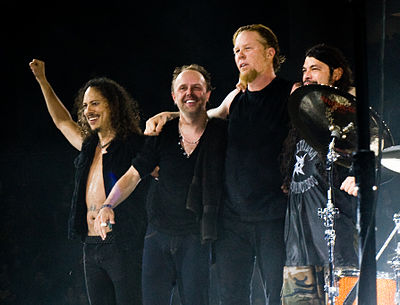


The Genesis
The O2 Arena, situated on the Greenwich Peninsula in southeast London, represents a remarkable feat of architectural adaptation and urban regeneration. Its origins lie in the Millennium Dome, a colossal structure conceived to celebrate the dawn of the third millennium. Completed in 1999, the Dome was intended as a vast exhibition space, a symbol of British innovation and future-gazing.
However, its post-millennial future was uncertain until Anschutz Entertainment Group (AEG) proposed its transformation into a world-class entertainment venue. This ambitious project, which saw the arena officially open in its current form in 2007, involved integrating a state-of-the-art arena within the existing dome structure, preserving its iconic silhouette while creating a highly functional and technologically advanced space for large-scale events. The rebranding to 'The O2' followed a lucrative sponsorship deal, cementing its commercial identity.
Architectural Grandeur and Engineering Prowess
The O2 Arena's most striking feature is its immense, tent-like roof, a defining element of its original design as the Millennium Dome. This structure is a testament to engineering ingenuity, boasting a diameter of 365 meters and a height of 52 meters, making it one of the largest buildings in the world by volume. The fabric roof, supported by a complex network of cables and masts, creates a vast, column-free interior space.
This architectural characteristic is crucial for its function as an arena, allowing for flexible seating arrangements, expansive stage setups, and unobstructed views for up to 20,000 spectators. The careful integration of modern arena facilities within this unique shell showcases a successful blend of historical architectural ambition and contemporary entertainment demands.
A Global Hub
Since its inception as an arena, The O2 has rapidly ascended to become a preeminent global venue. Its sheer capacity and cutting-edge facilities have attracted a staggering roster of international music superstars, making it a must-play stop on world tours. In 2008, it achieved the distinction of being the world's busiest music arena, a title that underscores its immense popularity and significance within the live music industry.
Beyond music, it has hosted major sporting events, comedy shows, and family entertainment, solidifying its role as a versatile cultural powerhouse. Its consistent high ranking in global venue attendance figures highlights its enduring appeal and its critical contribution to London's status as a leading international city for entertainment.
Sponsorship, Sustainability, and Future Prospects
The naming rights deal with telecommunications company O2 (a subsidiary of Virgin Media O2) is a prime example of modern venue financing, providing significant revenue that supports operations and further development. This sponsorship has made 'The O2' a globally recognized brand name. Furthermore, the venue has increasingly focused on sustainability initiatives, aiming to reduce its environmental footprint through energy efficiency measures and waste management programs.
As entertainment trends evolve, The O2 Arena continues to adapt, investing in technology and infrastructure to maintain its position at the forefront of the global live entertainment market, ensuring its relevance for decades to come.
See also
Frequently Asked Questions
What is the O2 Arena?+
Why does the O2 Arena have a tent‑like roof?+
How many people can the O2 Arena hold?+
Where is the O2 Arena located?+
What does the O2 Arena do to help the planet?+
Based on content from Wikipedia · Licensed under CC BY-SA 4.0