

Tel Aviv: The City That Jumps to Life!
Images
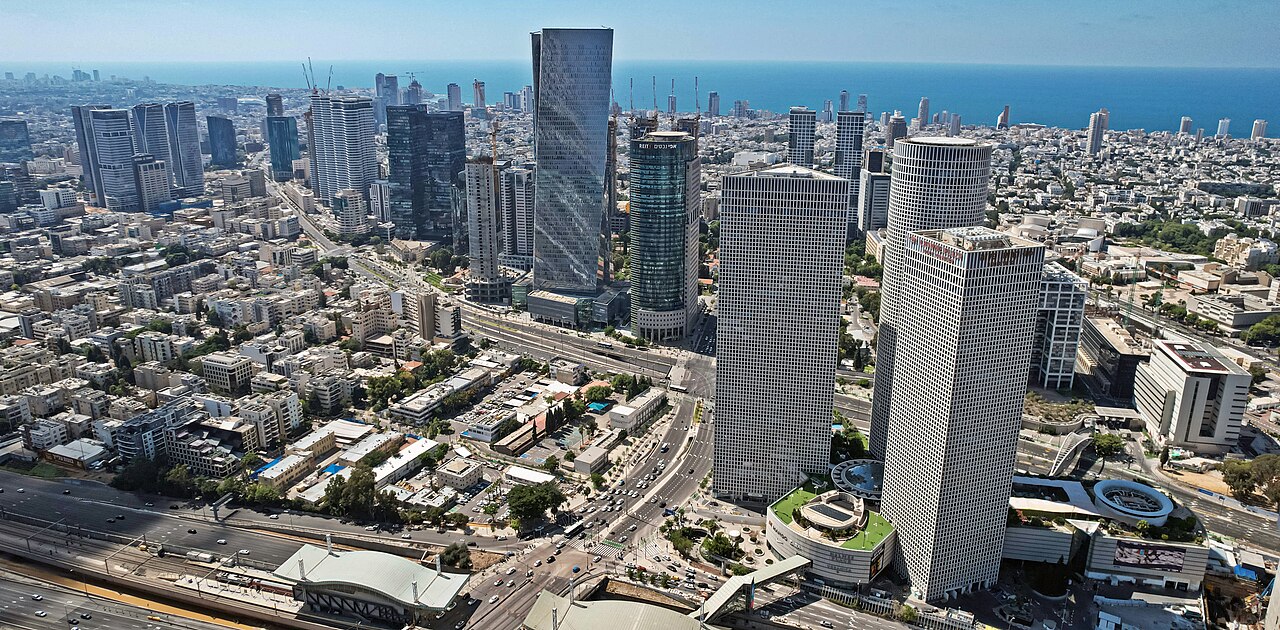
Tel Aviv
Genesis of a Hebrew City
The establishment of Tel Aviv in 1909 marked a pivotal moment in Zionist history – the creation of a modern Hebrew city on the coast of Ottoman Palestine. The initial settlement, Ahuzat Bayit, was conceived as a planned urban community, distinct from the older, more traditional city of Jaffa. Its founders envisioned a place where Jewish immigrants could build a new society based on Hebrew language and culture.
The name change to Tel Aviv, meaning 'Hill of Spring,' was inspired by Nahum Sokolov's Hebrew translation of 'Altneuland' by Theodor Herzl, symbolizing the rebirth of Jewish national life. This deliberate act of urban planning and cultural revival laid the foundation for what would become Israel's most dynamic metropolis, a testament to Zionist aspirations and pioneering spirit.
The White City
Tel Aviv's architectural landscape is dominated by its extraordinary concentration of Bauhaus-style buildings, earning it the designation of a UNESCO World Heritage Site. In the 1930s, a significant influx of Jewish architects, many of whom had studied at the Bauhaus school in Germany or were influenced by its principles, settled in the city. They adapted the modernist aesthetic – characterized by functionalism, rational planning, and a lack of ornamentation – to the local climate and conditions.
This resulted in over 4,000 buildings featuring white facades, flat roofs, and distinctive rounded balconies, creating a cohesive and unique urban environment. The 'White City' is not merely a collection of buildings but a living museum showcasing the successful transplantation and adaptation of a European architectural movement to a new cultural and geographical context.
A Nexus of Innovation, Culture, and Gastronomy
Beyond its architectural significance, Tel Aviv thrives as Israel's primary economic and technological hub, often referred to as 'Silicon Wadi.' The city fosters a vibrant startup ecosystem, attracting global investment and driving innovation in fields ranging from cybersecurity to biotechnology. Culturally, Tel Aviv is a melting pot of influences, boasting a rich tapestry of museums, galleries, theaters, and music venues. Its renowned culinary scene is a major draw, with bustling markets like Shuk HaCarmel offering a sensory feast of local produce and street food, while its diverse restaurant landscape presents everything from traditional Middle Eastern flavors to cutting-edge international cuisine.
This dynamic fusion of technology, arts, and gastronomy contributes to Tel Aviv's reputation as a city that never sleeps.
The Mediterranean Lifestyle and Enduring Appeal
Tel Aviv's appeal is deeply intertwined with its Mediterranean setting and the lifestyle it affords. Miles of sandy beaches line its western edge, serving as a central element of the city's social and recreational life. The climate, characterized by long, sunny summers and mild winters, encourages an outdoor-oriented culture, with cafes, parks, and public spaces constantly abuzz with activity.
This blend of urban sophistication, technological prowess, cultural vibrancy, and relaxed coastal living creates a unique urban experience. Tel Aviv represents a modern, forward-looking Israeli identity, continuously evolving while drawing strength from its historical foundations and its distinctive place on the Mediterranean coast.
Go deeper
Frequently Asked Questions
What does the name "Tel Aviv" mean?+
Why is Tel Aviv called the "White City"?+
How did Tel Aviv become a technology hub?+
Where can you find yummy food in Tel Aviv?+
What makes Tel Aviv's beaches special?+
Based on content from Wikipedia · Licensed under CC BY-SA 4.0