

The Talmud: A Giant Book of Big Ideas!
Images
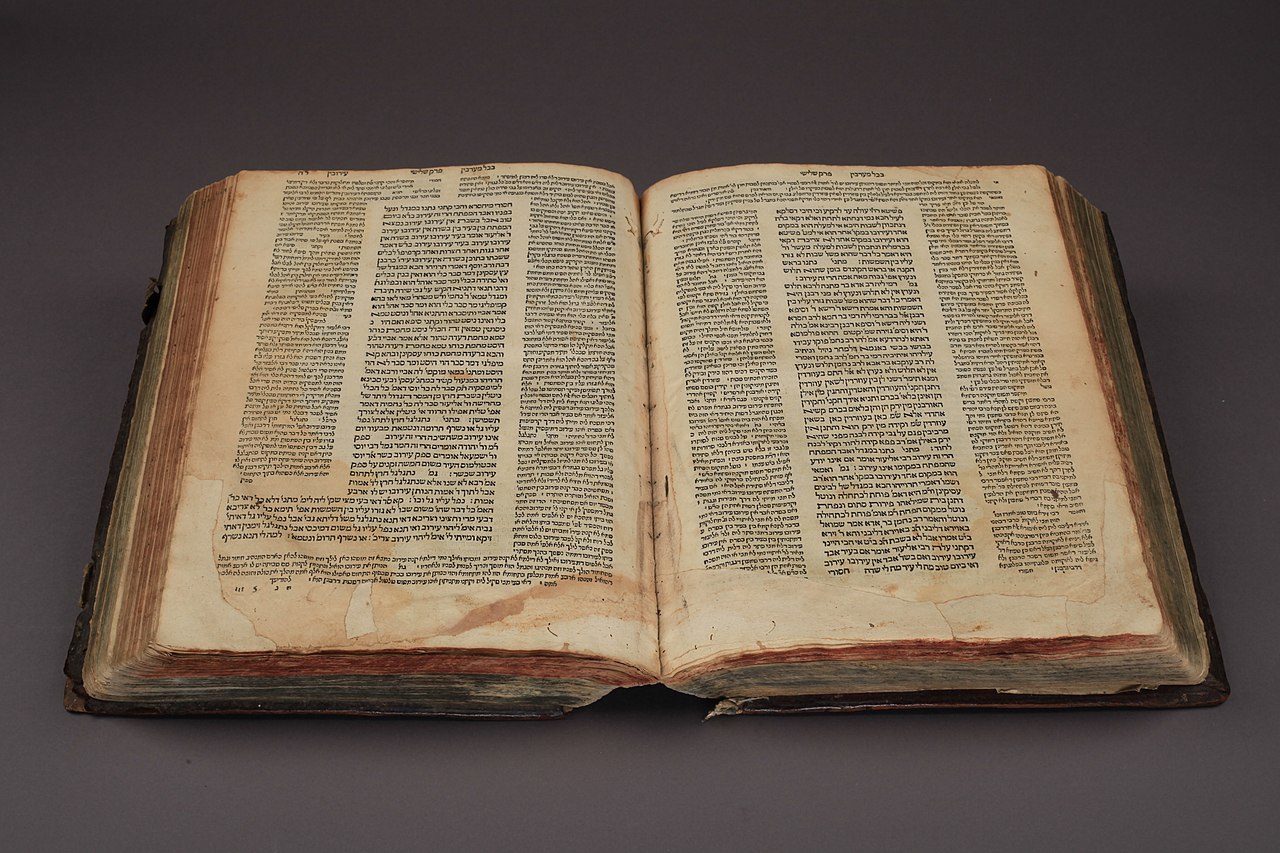
Talmud
The Talmud as a Canonical Text and Intellectual Nexus
The Talmud stands as one of the most significant intellectual achievements in Jewish history, serving as the bedrock of Rabbinic Judaism. It is not a monolithic text but a vast, multi-layered compilation of rabbinic discussions, legal interpretations (Halakha), ethical teachings, parables, and philosophical inquiries. Developed over centuries primarily in the academies of Babylonia and the Land of Israel, it represents a monumental effort to codify and expand upon the Oral Torah, the body of Jewish tradition believed to have been transmitted orally from Mount Sinai.
The Talmud’s dialectical method, characterized by rigorous debate, counter-arguments, and the exploration of diverse viewpoints, fosters a dynamic and evolving understanding of Jewish law and thought. Its influence extends far beyond religious observance, shaping Jewish culture, philosophy, and identity for millennia.
Genesis and Evolution
The genesis of the Talmud can be traced to the redaction of the Mishnah around 200 CE by Rabbi Yehudah HaNasi. The Mishnah provided a concise, systematic organization of Jewish law, serving as a foundational text for subsequent generations. The Gemara, which forms the bulk of the Talmud, is essentially an extensive commentary and analysis of the Mishnah.
This process unfolded in two major centers: the Land of Israel, leading to the Jerusalem Talmud (completed around 400 CE), and Babylonia, resulting in the more extensive and authoritative Babylonian Talmud (completed around 500 CE). The Babylonian Talmud's development involved generations of scholars, known as Amoraim, who engaged in profound intellectual discourse, creating a rich tapestry of legal reasoning, ethical insights, and narrative lore. The compilation process itself was organic, reflecting the ongoing intellectual life of the rabbinic academies.
The Enduring Relevance and Methodological Power of the Talmud
The Talmud’s profound and lasting impact stems from its comprehensive scope and its sophisticated methodology. It addresses not only ritualistic and legal matters but also delves deeply into ethics, philosophy, and the human condition, offering a holistic framework for life. For centuries, it has been the primary source for Jewish legal decision-making and a vital tool for spiritual and intellectual growth.
The Talmud’s dialectical approach encourages critical thinking, the examination of opposing arguments, and the pursuit of nuanced understanding, making it a powerful model for intellectual engagement. Its emphasis on debate and interpretation ensures that Jewish tradition remains a living, evolving entity, capable of addressing contemporary challenges and fostering ongoing dialogue.
Structure and Content
The Talmud is characterized by its intricate structure, primarily comprising the Mishnah and the Gemara. The Gemara meticulously analyzes each statement and ruling within the Mishnah, often branching out into related topics, historical anecdotes, and ethical discussions. This analytical framework is broadly divided into two categories: Halakha, which deals with Jewish law, practice, and ritual, and Aggadah, which encompasses non-legalistic material, including biblical exegesis, ethical teachings, parables, historical accounts, and theological speculation.
This integration of law and lore creates a rich, multifaceted text that engages both the intellect and the spirit, providing a comprehensive guide to Jewish life and thought that resonates across diverse aspects of human experience.
The Talmud's Influence on Jewish Thought and Practice
The Talmud's influence on Jewish thought, law, and practice is immeasurable. It has served as the central text for Jewish legal authorities (Poskim) for over a millennium, guiding the development of Jewish law (Halakha) through its interpretive methods and case studies. Beyond jurisprudence, the Talmud's Aggadic sections have profoundly shaped Jewish ethics, philosophy, and spirituality, offering timeless wisdom on morality, human relationships, and the nature of God.
Its study has been a cornerstone of Jewish education, fostering intellectual rigor and a deep connection to tradition. Furthermore, the Talmud's legacy extends to broader intellectual history, influencing legal reasoning and philosophical discourse in various cultures and contributing to the development of critical textual analysis.
Go deeper
Frequently Asked Questions
What is the Talmud and why is it so big?+
Who wrote the Talmud and when?+
What are the Mishnah and Gemara?+
Why does the Talmud have debates and different opinions?+
What kinds of stories and lessons can I find in the Talmud?+
Based on content from Wikipedia · Licensed under CC BY-SA 4.0