

Tabbouleh: The Super Salad!
Images
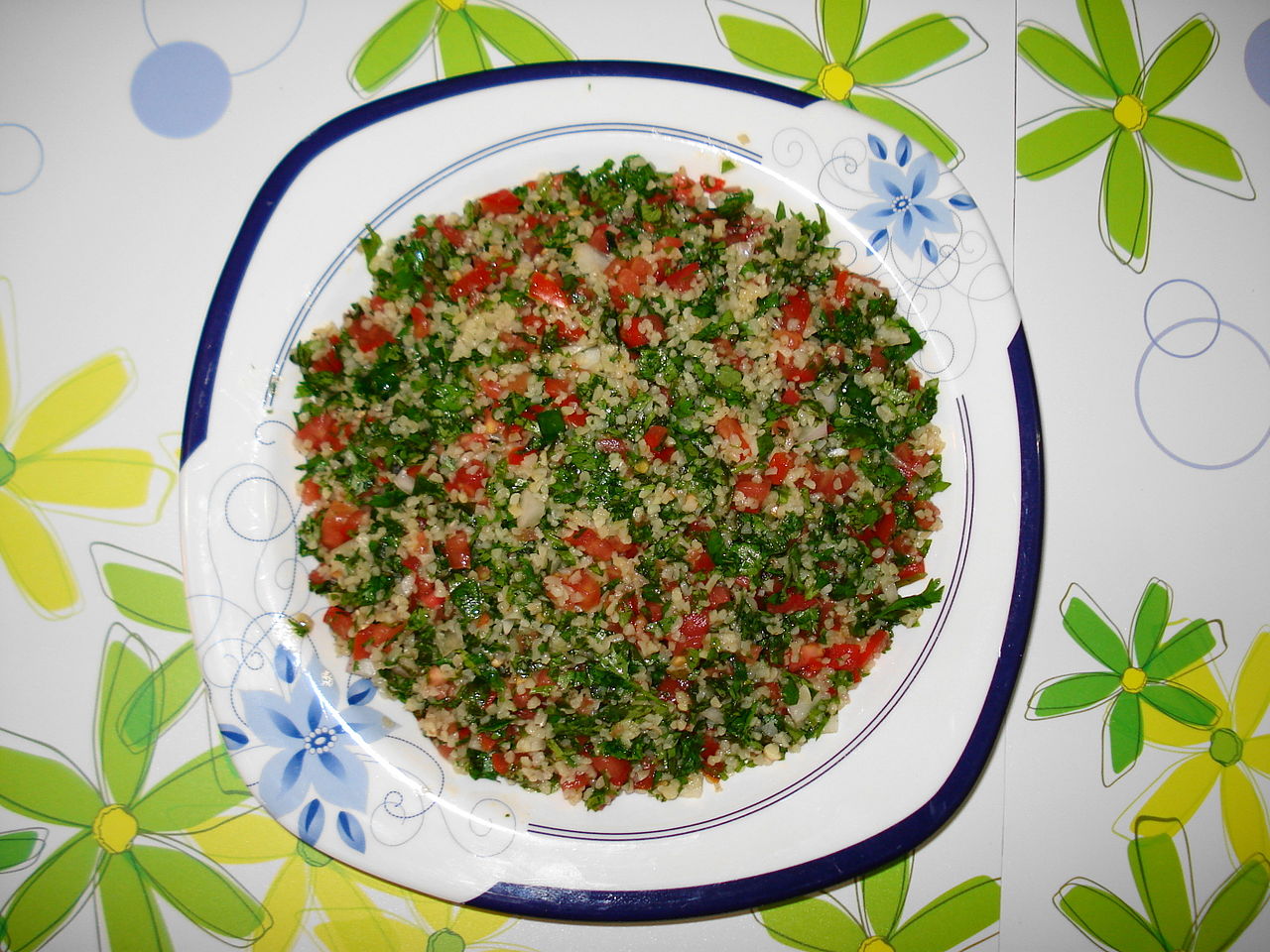
Tabbouleh
The Anatomy of Tabbouleh
Tabbouleh stands as a testament to the power of simplicity and the artful combination of fresh ingredients. Its defining characteristic is the overwhelming presence of finely minced fresh parsley, which often constitutes the majority of the salad's volume. This meticulous chopping is not merely aesthetic; it maximizes the herb's surface area, releasing its vibrant essential oils and creating a fragrant, herbaceous base.
Complementing the parsley is soaked bulgur, a cracked wheat grain that, when properly prepared, offers a tender yet distinct chewiness. The bulgur acts as a subtle binder and a textural counterpoint, absorbing the dressing and other flavors without becoming pasty. The inclusion of ripe tomatoes introduces pockets of sweetness and moisture, while the fresh mint provides a cooling, aromatic lift that cuts through the richness.
A small quantity of finely diced onion adds a pungent sharpness that awakens the palate and balances the overall flavor profile. The dressing, typically a simple emulsion of high-quality olive oil and freshly squeezed lemon juice, is crucial. The acidity of the lemon juice is paramount, providing a bright, tangy counterpoint that elevates the herbaceous notes and prevents the salad from feeling heavy.
Variations exist, with some incorporating lettuce for added crunch or substituting semolina for bulgur, but the classic preparation prioritizes the harmonious integration of these core components, creating a salad that is both refreshing and deeply flavorful.
From Ancient Fields to Global Tables
The genesis of tabbouleh is deeply intertwined with the agricultural and culinary heritage of the Levant, a region historically rich in herbs and grains. Its origins can be traced back centuries, likely evolving as a practical and nutritious dish utilizing abundant local produce. Parsley and mint, thriving in the Mediterranean climate, were readily available, as was bulgur, a staple grain derived from wheat.
The preparation likely began as a way to create a filling, wholesome meal from these accessible ingredients. Over time, tabbouleh solidified its place within the broader culinary landscape of the Arab world, becoming an integral part of the mezze tradition. Mezze, a collection of small dishes, serves as a communal dining experience, fostering social interaction and culinary exploration.
The diffusion of tabbouleh beyond its regional origins is a testament to its universal appeal. As populations migrated and culinary influences spread, tabbouleh gained traction in diverse global communities, notably in the United States, where it has become a widely recognized and appreciated dish, symbolizing the successful transplantation of cultural flavors and culinary practices across continents.
The Multifaceted Significance of Tabbouleh in Cuisine and Culture
Tabbouleh's importance extends beyond its gustatory appeal, encompassing nutritional, cultural, and social dimensions. Nutritionally, it is a remarkably healthy dish, rich in vitamins, minerals, and antioxidants, largely due to its high concentration of fresh herbs and vegetables. Parsley, for instance, is a potent source of Vitamin K and Vitamin C.
Its refreshing character and light texture make it an ideal palate cleanser and a perfect accompaniment to richer, heavier dishes often found in Levantine cuisine, thereby contributing to a balanced meal. Culturally, tabbouleh is a cornerstone of mezze, representing the communal spirit and hospitality inherent in Arab cultures. It serves as an introduction to the vibrant flavors of the region for those unfamiliar with its cuisine.
The global proliferation of tabbouleh also underscores its role as a culinary ambassador. It has transcended geographical boundaries to become a familiar and beloved dish worldwide, fostering cross-cultural understanding through shared culinary experiences. Its presence on menus globally reflects the increasing appreciation for diverse food traditions and the interconnectedness of modern food systems.
The Precision of Preparation
The creation of authentic tabbouleh is an exercise in precision and respect for ingredients, demanding a specific methodology to achieve its characteristic texture and flavor. The foundational step involves the meticulous fine chopping of fresh parsley and mint. This requires a sharp knife and considerable patience to achieve a uniform mince, which maximizes the release of aromatic compounds and ensures the herbs integrate seamlessly without becoming bruised or watery.
The bulgur is typically soaked in cold water for a brief period, just long enough to soften while retaining a slight al dente quality; over-soaking leads to a gummy consistency that detracts from the salad's texture. Tomatoes and onions are also diced to a very fine, consistent size, ensuring they meld harmoniously with the herbs and grain. The dressing is deceptively simple yet critical: a high-quality extra virgin olive oil combined with freshly squeezed lemon juice.
The acidity of the lemon is paramount, providing a bright, zesty counterpoint that cuts through the richness of the olive oil and enhances the herbaceous notes. The gentle combination of all components is essential to avoid macerating the delicate ingredients. While variations exist, such as the inclusion of lettuce for added crispness or the use of semolina, the classic preparation adheres to this precise balance, highlighting the purity of its core ingredients and the skillful execution of its assembly.
Go deeper
Frequently Asked Questions
What is tabbouleh?+
Why is parsley so important in tabbouleh?+
How do you make the dressing for tabbouleh?+
Where does tabbouleh come from?+
Are there any health benefits to eating tabbouleh?+
Based on content from Wikipedia · Licensed under CC BY-SA 4.0