

Dish: Your Plate's Best Friend!
Images
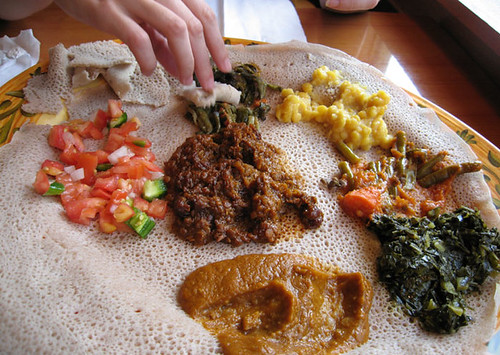
Our Ethiopian Dish


Materiality and Craftsmanship
The history of dishes is inextricably linked to advancements in material science and craftsmanship. Early humans utilized readily available natural materials, but the advent of fired clay, or pottery, marked a paradigm shift. This innovation allowed for the creation of standardized, durable, and hygienic food vessels, facilitating the development of more complex culinary practices and social rituals.
Over millennia, techniques evolved, leading to refined ceramics like earthenware, stoneware, and porcelain, each with distinct properties of hardness, porosity, and aesthetic appeal. The introduction of glass offered transparency and a different tactile experience, while metals like silver and pewter became symbols of wealth and status. In the modern era, plastics and composite materials have introduced unprecedented versatility, durability, and affordability, though concerns about sustainability and health have spurred a resurgence in traditional materials and innovative eco-friendly alternatives.
The choice of material profoundly influences a dish's function, durability, and cultural perception.
Dishes as Cultural Signifiers and Social Tools
Beyond their utilitarian purpose, dishes serve as powerful cultural signifiers and indispensable social tools. They are central to the performance of hospitality, the celebration of milestones, and the reinforcement of social bonds. The design, material, and arrangement of dishes on a table can communicate social status, cultural identity, and adherence to specific etiquette.
For instance, the elaborate porcelain dinner services of European aristocracy or the intricate ceramic patterns of East Asian cultures are not merely functional but are imbued with historical and cultural meaning. Furthermore, dishes play a role in religious and ceremonial practices, with specific vessels often reserved for sacred rituals. The act of sharing food from a common dish or serving guests from a particular set of plates can foster a sense of community and shared experience, underscoring the dish's role in shaping social dynamics.
The Shifting Landscape of Dining Etiquette and Dish Usage
The way we interact with dishes has undergone significant transformations, reflecting evolving societal norms, hygiene standards, and aesthetic preferences. Historically, meals were often served from large, central platters or bowls, with diners partaking directly, a practice still seen in some cultures today. The gradual adoption of individual place settings, featuring distinct plates, bowls, and cutlery, gained prominence, particularly in Western societies, from the late Middle Ages onwards.
This shift was influenced by factors such as increased awareness of personal hygiene, the rise of more formal dining rituals, and the development of specialized dishes for an expanding repertoire of culinary creations. Today, the diversity of specialized dishes – from espresso cups to sushi platters – demonstrates the intricate relationship between food, culture, and the tools we use to consume it, highlighting a continuous evolution in our dining practices.
Dishes in the Digital Age
In the contemporary world, dishes continue to hold relevance, albeit in new contexts. Vintage and antique dishware have become highly sought after by collectors, valued for their historical significance, craftsmanship, and aesthetic appeal. The field of industrial design plays a crucial role in creating modern dishware that balances form and function, often pushing the boundaries of material use and ergonomic design.
Simultaneously, there is a growing emphasis on sustainability in dishware production and consumption. This includes the use of recycled materials, biodegradable options, and durable, long-lasting designs that minimize waste. The discourse around food and dining in the digital age also influences dishware trends, with social media platforms showcasing aesthetically pleasing table settings and unique culinary presentations, further cementing the dish's role as both a practical object and a medium for personal expression and cultural commentary.
Go deeper
Frequently Asked Questions
What is a dish and why do we use it?+
How have dishes changed over time?+
Why do some dishes have fancy designs or special colors?+
How do dishes help us share food and be polite?+
Are plastic dishes good for the environment?+
Based on content from Wikipedia · Licensed under CC BY-SA 4.0