

Sydney Airport
Images

QANTAS business lounge at Sydney Airport


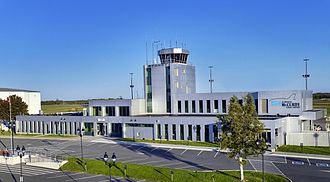


Geostrategic Location and Environmental Context
Sydney Airport (SYD), officially Kingsford Smith Airport, is strategically positioned 8 kilometers south of the Sydney Central Business District (CBD) in the suburb of Mascot. Its location adjacent to Botany Bay is a key geographical feature, influencing its operational layout and environmental considerations. Occupying 907 hectares, the airport's footprint is substantial, necessitating careful management of noise pollution and ecological impact.
The climate of Sydney, generally temperate with warm summers and mild winters, allows for year-round operations, though occasional weather disruptions can occur. The airport's proximity to major urban centers and transport links underscores its role as a critical piece of national infrastructure, facilitating both domestic and international transit.
A Century of Aviation Milestones
Sydney Airport holds the distinction of being one of the world's longest continuously operated commercial airports, a testament to its enduring significance in aviation history. Its operational history stretches back to the early days of flight, witnessing and adapting to the dramatic technological advancements in aircraft design and air traffic control. This longevity means it has played a crucial role in Australia's development, connecting the continent to the rest of the world and fostering economic and cultural exchange.
The airport's continuous operation highlights its resilience and adaptability through various historical periods and technological shifts, cementing its status as a historical aviation landmark.
Operational Scale and Network Connectivity
As Australia's busiest airport, Sydney Airport handles an immense volume of passenger traffic and aircraft movements. Recent figures indicate over 41.4 million passengers and 348,904 aircraft movements annually, placing it among the busiest airports globally, particularly in its passenger capacity category. It serves as the primary hub for Qantas, Australia's national carrier, and is a significant operational base for Virgin Australia and Jetstar.
This central role supports direct connectivity to 46 domestic and 43 international destinations, making it the principal gateway for international arrivals and departures to and from Australia. Its ranking within the top global airports for its operational size further emphasizes its importance.
Economic Engine and Global Recognition
Sydney Airport is a cornerstone of the Australian economy, acting as a major catalyst for tourism, trade, and employment. Its operations generate substantial economic activity, supporting a vast ecosystem of related industries including hospitality, logistics, retail, and professional services. The airport's consistent high rankings in global airport awards, such as being voted among the top five worldwide for airports handling 40-50 million passengers and overall recognition by Skytrax, underscore its operational excellence and passenger satisfaction.
This international acclaim reinforces Sydney's position as a global city and enhances Australia's appeal as a destination for business and leisure travelers.
Governance and Future Trajectories
Sydney Airport is owned and operated by Sydney Airport Corporation Limited, a private entity responsible for its management, development, and strategic direction. This private ownership model influences its operational efficiency and investment strategies. The airport's future development is subject to ongoing planning and regulatory frameworks, aiming to balance growth with infrastructure capacity and community needs.
As aviation continues to evolve, Sydney Airport faces the challenge of modernizing its facilities and operations to maintain its competitive edge and meet the increasing demands of global air travel, while also considering sustainability and technological innovation.
Go deeper
Frequently Asked Questions
What is Sydney Airport and why is it special?+
How many people travel through Sydney Airport every year?+
Which airlines use Sydney Airport as their main base?+
Why does Sydney Airport have to manage noise and the environment?+
How does Sydney Airport help the Australian economy?+
Based on content from Wikipedia · Licensed under CC BY-SA 4.0