

Subutai: The Mighty Warrior
Images
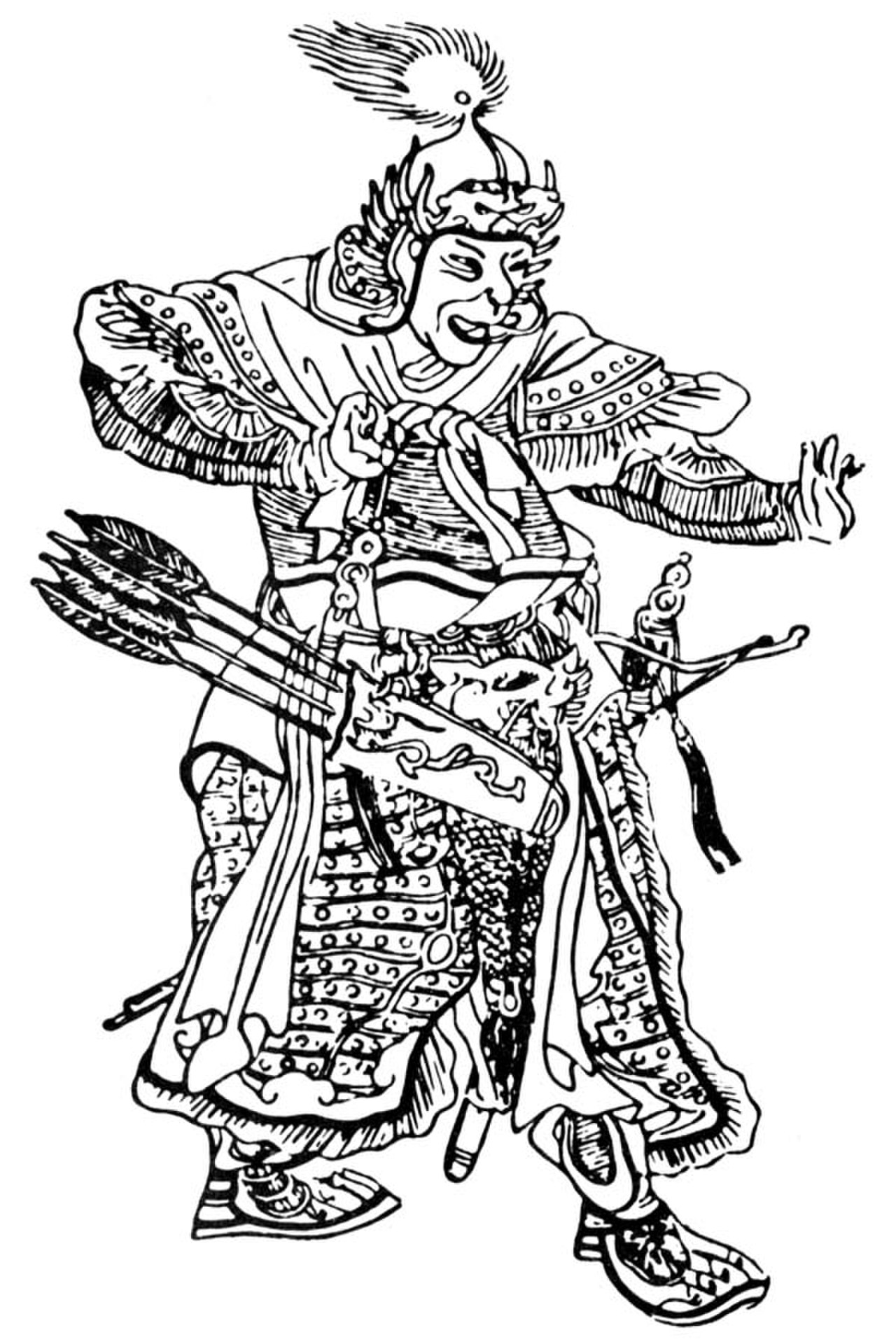
Subutai
The Making of a Military Phenomenon
Subutai, born around 1175, emerged from the nomadic society of Mongolia to become one of history's most formidable military leaders. His origins were not aristocratic; he belonged to the Uriankhai tribe, and his father was a blacksmith, suggesting a background that valued practical skills and resilience. This humble upbringing likely instilled in him a deep understanding of hardship and resourcefulness, qualities that would define his military career.
He entered the service of Temujin, later Genghis Khan, at a young age. His exceptional intelligence, unwavering loyalty, and natural aptitude for warfare quickly distinguished him. Subutai was not merely a warrior; he was a keen observer and a strategic thinker, adept at understanding the strengths and weaknesses of both his own forces and his adversaries.
He rose rapidly through the ranks, becoming one of Genghis Khan's most trusted generals, often referred to as one of his 'Four Hounds,' renowned for their ferocity and effectiveness in battle. His early campaigns laid the groundwork for his later, even more ambitious, exploits.
Subutai's Grand Strategy
Subutai's military genius was most evident in the sheer scale and complexity of his campaigns. He was instrumental in the Mongol conquests of the Jin Dynasty in Northern China and the Khwarazmian Empire in Central Asia. His strategic vision extended beyond mere battlefield victories; he understood the importance of long-term planning, reconnaissance, and psychological warfare.
He pioneered the use of extensive intelligence networks, employing spies and scouts to gather detailed information about enemy terrain, fortifications, and troop movements. His campaigns were characterized by daring maneuvers, such as crossing formidable geographical barriers like the Caucasus Mountains and the Ural River. The Great Raid of 1236-1242, a multi-pronged invasion of Eastern Europe, stands as a testament to his strategic brilliance, involving coordinated attacks on Russia, Poland, and Hungary, culminating in devastating victories at Legnica and the Battle of the Sajó River.
This campaign demonstrated his ability to manage vast armies over immense distances and adapt tactics to diverse European warfare.
The Art of War
Subutai's tactical repertoire was remarkably sophisticated for his era. He masterfully employed the strengths of the Mongol army: their unparalleled horsemanship, archery skills, and discipline. He perfected the art of the feigned retreat (tulughma), luring enemy forces into ambushes where they could be encircled and annihilated.
His use of flanking maneuvers and coordinated multi-pronged attacks overwhelmed opponents. Beyond battlefield tactics, Subutai understood the importance of siege warfare, incorporating captured engineers and technologies to overcome fortified cities. He was also a pioneer in combined arms warfare, integrating heavy cavalry, light cavalry archers, and infantry effectively.
His campaigns not only expanded the Mongol Empire but also facilitated cultural and technological exchange across Eurasia, influencing military thought for centuries. His strategies are still analyzed today for their effectiveness in logistics, intelligence gathering, and adaptive battlefield command, making him a pivotal figure in military history.
Subutai's Enduring Legacy
Subutai's impact on world history is profound and multifaceted. As a general, he was responsible for orchestrating campaigns that covered more territory than any other commander before him, forging the largest contiguous land empire in history. His military successes were not just about conquest; they facilitated unprecedented levels of trade and cultural exchange along the Silk Road, connecting the East and West in ways previously unimaginable.
The Pax Mongolica, the period of relative peace and stability under Mongol rule, allowed for the flourishing of commerce and the spread of ideas and technologies. Subutai's legacy is that of a true military visionary whose strategic acumen and operational brilliance reshaped the geopolitical landscape of the 13th century. His methods and achievements continue to be studied, offering timeless lessons in leadership, planning, and the art of war, solidifying his place among history's greatest military minds.
See also
Frequently Asked Questions
Who was Subutai?+
Why was Subutai called one of the "Four Hounds"?+
How did Subutai use spies and scouts?+
What was the Great Raid of 1236-1242?+
What special tactics did Subutai use on the battlefield?+
Based on content from Wikipedia · Licensed under CC BY-SA 4.0