

Southern Nations, Nationalities, and People's Region
Images

Southern Nations, Nationalities, and People's Region in Ethiopia


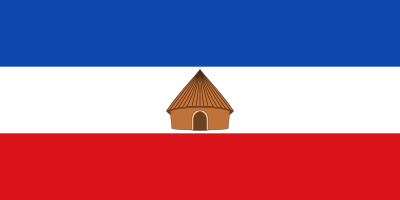


Geomorphological Extremes
The Southern Nations, Nationalities, and Peoples' Region (SNNPR) of Ethiopia presents a remarkable study in geographical contrasts. Its territory spans a significant portion of the country's southern reaches, encompassing a vast array of ecological zones. The western and central parts are characterized by high-altitude plateaus and mountain ranges, often exceeding 3,000 meters, which are crucial for Ethiopia's coffee production and support temperate climates.
These highlands gradually descend into the Great Rift Valley, a dramatic geological feature marked by a series of large lakes such as Abaya and Chamo, known for their rich biodiversity, including significant populations of hippopotamuses and Nile crocodiles. Further south and east, the landscape transitions into arid and semi-arid lowlands, with temperatures soaring and vegetation adapted to harsh conditions. This extreme topographical variation dictates settlement patterns, agricultural practices, and the distribution of natural resources, creating distinct regional economies and lifestyles within the SNNPR.
Historical Trajectories
The historical narrative of the SNNPR is deeply intertwined with the broader history of Ethiopia, yet possesses unique regional dimensions. For centuries, various powerful kingdoms and societies flourished in these lands, including the Sidama, Wolaytta, and Gedeo peoples, each with their own complex political structures, social hierarchies, and cultural traditions. The region experienced periods of conquest and incorporation into the expanding Ethiopian Empire, particularly during the late 19th and early 20th centuries.
The colonial era, while Ethiopia largely resisted direct European rule, still brought external influences and administrative changes. Post-1991, following the fall of the Derg regime, Ethiopia adopted a federal system based on ethnic lines. The SNNPR was established as a multi-ethnic region, a deliberate administrative choice to accommodate the numerous nationalities.
However, this has also led to ongoing debates and aspirations for greater self-determination among some groups, culminating in recent administrative reforms that have seen some former zones within the SNNPR elevated to regional status, such as the Sidama Regional State.
A Kaleidoscope of Identities
The SNNPR is renowned as one of the most ethnolinguistically diverse regions in Africa, hosting over 50 distinct ethnic groups. This incredible mosaic is reflected in its linguistic landscape, with a multitude of Cushitic, Omotic, and Nilo-Saharan languages spoken. Amharic serves as the federal working language, but local languages are vital for cultural expression and identity.
Traditions vary immensely, from the intricate agricultural terracing and unique socio-political organization of the Konso people, recognized as a UNESCO World Heritage site, to the elaborate initiation rites and communal governance systems of other groups. Festivals, music, dance, and art forms are deeply embedded in the daily lives of the people, serving to reinforce social cohesion and transmit cultural heritage across generations. This cultural richness is a significant asset, contributing to Ethiopia's national identity while also presenting challenges in governance and resource allocation across such diverse communities.
Economic Dynamics
The economy of the SNNPR is predominantly agrarian, with agriculture forming the primary livelihood for the majority of its population. The region is a major producer of Ethiopia's key export commodities, most notably coffee, with areas like Sidama and Guji being world-renowned for their high-quality beans. Other significant crops include maize, wheat, barley, teff, fruits, and vegetables, catering to both domestic consumption and market sales. Livestock rearing is also a vital component of the rural economy.
In recent years, there has been a concerted effort to diversify the economy and foster industrial development. The city of Hawassa has emerged as a significant industrial hub, particularly in the textile and garment sector, attracting foreign investment and creating employment opportunities. The development of infrastructure, including roads and energy, is crucial for unlocking the region's full economic potential and improving market access for its agricultural and manufactured goods. Tourism, driven by the region's stunning natural landscapes and unique cultural heritage, is also a growing sector with considerable potential.
Governance and Development Challenges
Governing the SNNPR presents a complex challenge due to its immense ethnic and cultural diversity. The region operates under Ethiopia's federal system, with a regional government responsible for administration, service delivery, and development initiatives. The establishment of the region itself was a response to demands for greater representation of nationalities.
However, managing the aspirations of over 50 distinct groups requires a delicate balance. Issues of resource allocation, land use, inter-ethnic relations, and the provision of equitable services are constant considerations. Recent administrative restructuring, leading to the formation of new regional states from former zones within the SNNPR, reflects ongoing efforts to address these demands for self-governance.
Development strategies focus on improving agricultural productivity, expanding education and healthcare access, and promoting sustainable industrial growth, all while navigating the intricate social and political landscape shaped by the region's profound diversity.
See also
Frequently Asked Questions
What is the Southern Nations, Nationalities, and Peoples' Region?+
Why does the SNNPR have so many different kinds of people?+
How does the geography of the SNNPR affect the people who live there?+
Where can you find the Great Rift Valley lakes in the SNNPR?+
What are some special traditions or festivals in the SNNPR?+
Based on content from Wikipedia · Licensed under CC BY-SA 4.0