

South Tangerang
Images
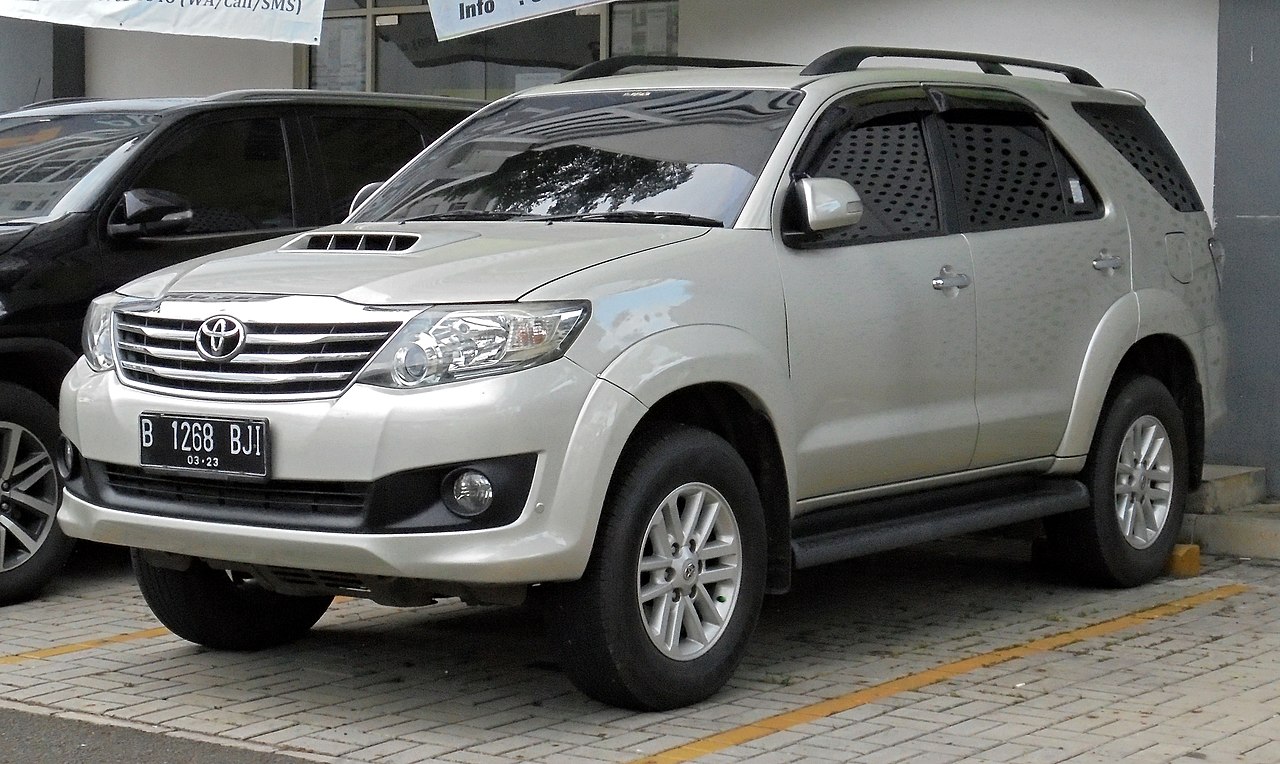
2013 Toyota Fortuner 2.5 G wagon (KUN60; 12-16-2018), South Tangerang




From Regency to City
South Tangerang, officially established as an autonomous city on November 26, 2008, represents a significant administrative and urban development within Indonesia. Prior to its separation, it was an integral part of the Tangerang Regency. This administrative division was a strategic move to better manage the burgeoning population and economic activity in the southwestern periphery of Jakarta.
Its location, approximately 30 kilometers from the Indonesian capital, positions it as a crucial component of the Greater Jakarta metropolitan area, often referred to as Jabodetabek. This proximity has fueled its growth, transforming it from a collection of towns into a dynamic urban center characterized by rapid expansion and modernization. The city's formation reflects a broader trend in Indonesia of decentralization and the creation of specialized administrative regions to foster local development and governance.
The Engine of Growth
A defining characteristic of South Tangerang is its landscape shaped by large-scale, privately developed planned towns. These are not mere housing estates but comprehensive urban environments designed to integrate residential, commercial, and recreational facilities. Prominent examples include Alam Sutera, BSD City (spanning Serpong and Setu), and Bintaro Jaya (covering Pondok Aren and Ciputat).
These developments are meticulously planned, often featuring business districts, advanced healthcare facilities like hospitals, extensive shopping malls, and a significant number of international educational institutions. The presence of institutions such as the British School Jakarta, Global Jaya School, German School Jakarta, and university campuses like Monash University underscores the city's appeal to a globalized population and its commitment to providing high-quality education.
This model of private urban development has significantly contributed to the city's economic vitality and its reputation as a modern place to live.
Demographic Landscape and Economic Trajectory
As of the 2020 Census, South Tangerang was home to over 1.35 million residents, with projections indicating continued growth. The population is remarkably balanced, with a slight majority of females. The primary language is Indonesian, reflecting the national identity, though the presence of international schools suggests a multilingual environment.
Economically, South Tangerang thrives as both a residential hub for commuters to Jakarta and a burgeoning center for commerce and business in its own right. The development of dedicated business districts and the strategic planning of its residential areas have attracted significant investment. This dual role as a dormitory city and an economic engine contributes to its high land values, which are noted as the most expensive among Jakarta's satellite cities, indicating strong demand and economic prosperity.
A Hub for Education and Future Leaders
South Tangerang has established itself as a significant educational center, particularly for international and higher education. The concentration of international schools caters to a diverse expatriate and local population seeking globalized curricula. These institutions, including prestigious names like the British School Jakarta and the German School Jakarta, offer educational pathways that prepare students for universities worldwide.
Furthermore, the city hosts higher education facilities, notably a campus of Monash University, a globally recognized institution. This academic infrastructure not only serves the immediate population but also attracts students from surrounding areas, positioning South Tangerang as a key node in Indonesia's educational landscape and a breeding ground for future leaders and professionals in various fields.
Governance and Urban Management
As a relatively new city, South Tangerang operates under a mayoral system, with a mayor and a city council responsible for its governance. Its administrative status as a city (Kota) grants it a degree of autonomy in managing its local affairs, including urban planning, public services, and economic development. The city's rapid growth presents ongoing challenges and opportunities for its government.
Managing infrastructure development, ensuring sustainable urban expansion, and maintaining the quality of life that attracts residents and businesses are key priorities. The success of its planned communities, largely driven by private developers, also highlights the interplay between public governance and private enterprise in shaping the city's future trajectory.
See also
Frequently Asked Questions
What is South Tangerang?+
Why did South Tangerang become its own city?+
Where is South Tangerang located?+
What are some places people live and work in South Tangerang?+
Are there schools for kids from other countries in South Tangerang?+
Based on content from Wikipedia · Licensed under CC BY-SA 4.0