

Solidarity: Standing Together!
Images
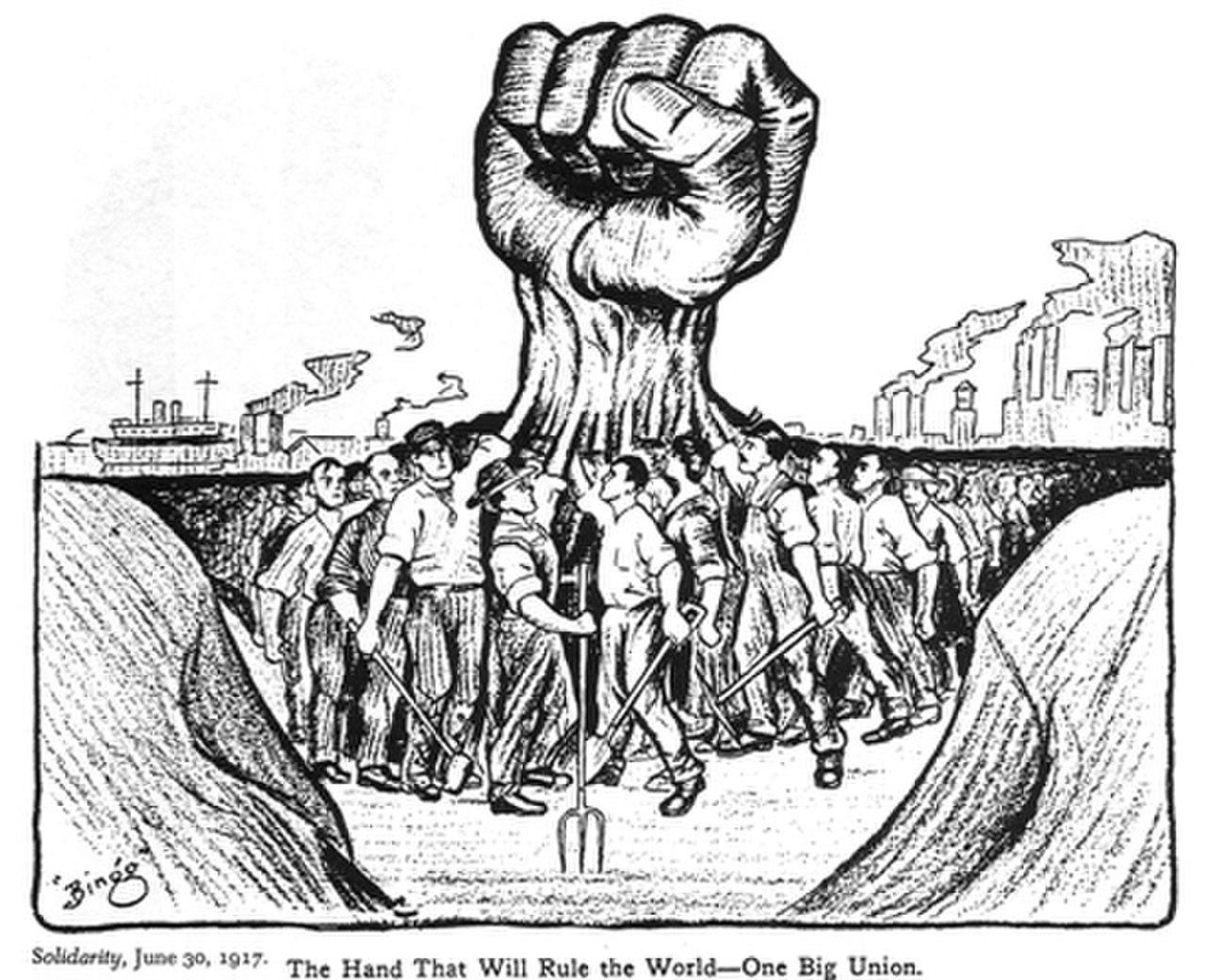
Solidarity
The Philosophical and Social Underpinnings of Solidarity
Solidarity, at its core, is a complex social and ethical concept that signifies a unity of purpose or interest among individuals. It transcends mere sympathy, embodying a commitment to mutual support and shared responsibility, particularly in the face of adversity or injustice. Philosophically, it can be linked to ideas of social contract and the recognition of our interdependence. Émile Durkheim, a pioneering sociologist, explored 'organic solidarity,' which arises in complex societies where individuals depend on each other due to specialized roles, contrasting it with 'mechanical solidarity' found in simpler societies based on shared beliefs and values.
This concept is vital because it forms the bedrock of collective identity and action, enabling groups to mobilize for common goals, whether it's advocating for workers' rights, demanding political reform, or providing aid during crises. It’s the recognition that individual well-being is intrinsically linked to the well-being of the collective.
Solidarity in Action
The history of social movements is replete with powerful examples of solidarity. The Polish trade union 'Solidarność' (Solidarity) in the 1980s stands as a monumental testament to this principle. Emerging from worker discontent under a communist regime, Solidarność grew into a broad anti-bureaucratic social movement that fundamentally challenged the existing political order.
Its success was not solely due to its large membership but to its strategic use of strikes, its charismatic leadership, and its ability to foster a widespread sense of national unity and purpose. Beyond Poland, the Civil Rights Movement in the United States demonstrated solidarity through nonviolent protests, boycotts, and legal challenges, uniting diverse groups to fight against racial segregation and discrimination. These historical instances underscore solidarity's capacity to empower marginalized communities and drive transformative social and political change, often against formidable opposition.
Mechanisms and Manifestations of Solidarity
Solidarity operates through various interconnected mechanisms. At its most basic level, it involves empathy-the ability to understand and share the feelings of another. This empathy can then translate into tangible actions, such as mutual aid networks, where communities pool resources to support their members, or collective bargaining, where workers unite to negotiate for better terms of employment.
Political solidarity often manifests through organized protests, demonstrations, and advocacy campaigns, where individuals lend their voices and presence to support a cause. Furthermore, international solidarity can involve humanitarian aid, diplomatic pressure, or the sharing of knowledge and resources between nations. The effectiveness of these mechanisms is amplified by communication, shared ideology, and strong organizational structures that facilitate coordinated efforts and sustain momentum over time.
The Enduring Relevance of Solidarity in the 21st Century
In our increasingly interconnected yet often fragmented world, solidarity remains a critical force. Global challenges such as climate change, pandemics, and economic inequality demand unprecedented levels of international cooperation and mutual support. Movements advocating for social justice, human rights, and environmental protection continue to draw strength from solidarity, mobilizing citizens across borders and diverse backgrounds.
The rise of digital technologies has also created new avenues for fostering and expressing solidarity, enabling rapid information dissemination and global coordination of activism. However, challenges persist, including the rise of nationalism, polarization, and the erosion of trust in institutions, which can undermine collective action. Understanding and actively cultivating solidarity is therefore essential for addressing contemporary issues and building more resilient, equitable, and just societies for the future.
Go deeper
Based on content from Wikipedia · Licensed under CC BY-SA 4.0