

Snowboarding
Images
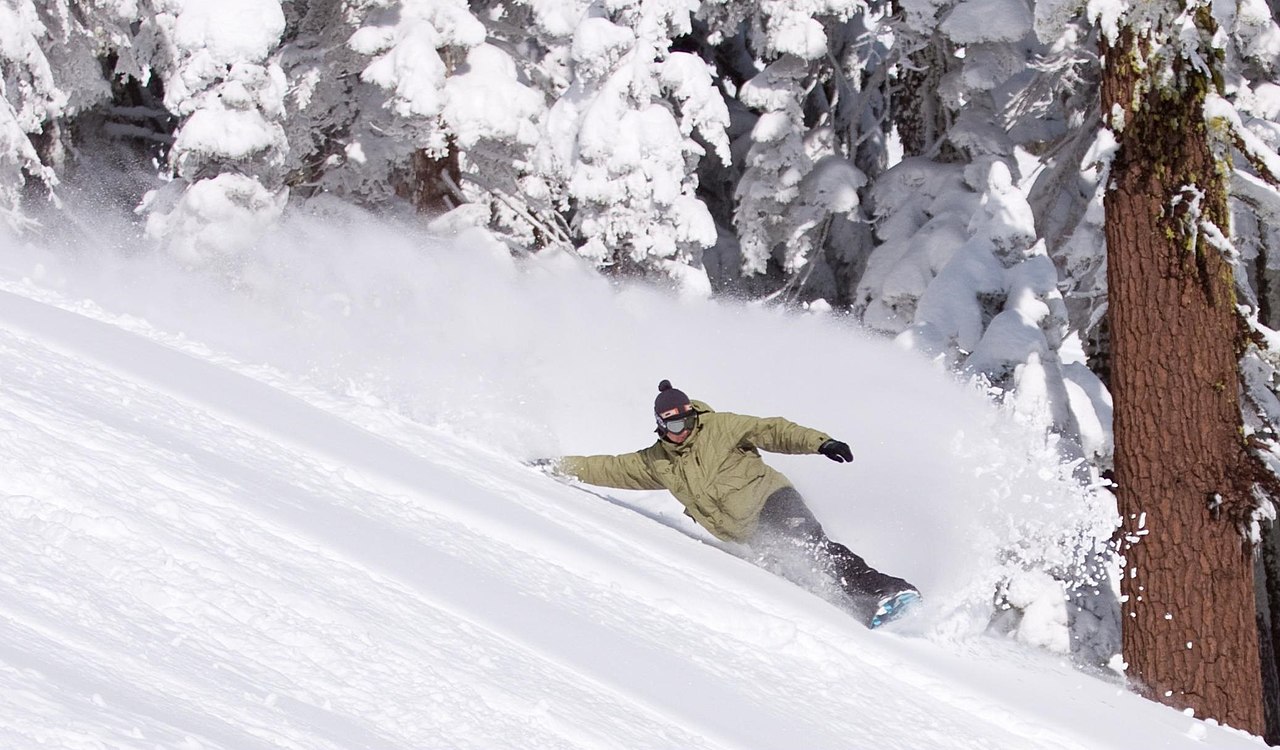
Snowboarding
The Genesis of Snowboarding
Snowboarding's origins are rooted in a desire to merge surfing and skiing, born from a spirit of innovation and a touch of counterculture. Sherman Poppen's 1965 'Snurfer' was a rudimentary precursor, but it was the independent work of pioneers like Tom Sims and Jake Burton Carpenter in the 1970s that truly shaped the sport. Sims, a surfer and skateboarder, focused on creating boards that could be ridden aggressively, while Burton Carpenter refined the design with improved bindings and construction, making it more practical for snow.
Initially, the sport faced resistance from the established ski industry, often relegated to separate, smaller slopes or banned altogether. However, its growing popularity, particularly among younger demographics drawn to its rebellious image and fluid style, could not be ignored. This period was crucial for developing the fundamental board shapes, flex patterns, and edge technologies that would define snowboarding.
The Science and Engineering of a Snowboard
Modern snowboards are sophisticated pieces of equipment, meticulously engineered for performance. The core, typically made of wood, provides the board's flex and responsiveness. Layers of fiberglass and carbon fiber are laminated onto the core to add strength and stiffness.
The edges, made of hardened steel, are critical for grip and control on varied snow conditions, allowing for precise carving. The base material, usually a high-density polyethylene (HDPE), is designed for optimal glide, with different compounds suited for speed or durability. Camber and rocker profiles-the way the board curves between the contact points-significantly influence its riding characteristics, affecting pop, edge hold, and floatation in powder.
Understanding these elements is key to appreciating the technical prowess involved in both board design and riding technique.
Cultural Significance and Global Reach
Snowboarding has transcended its niche origins to become a significant cultural phenomenon and a globally recognized sport. It fostered a distinct subculture characterized by music, fashion, and a laid-back yet daring attitude. This culture has influenced mainstream trends, from apparel to lifestyle.
The sport's inclusion in the Winter Olympics in 1998 marked a pivotal moment, legitimizing snowboarding on a global stage and exposing it to a massive audience. This mainstream acceptance, however, has also sparked debates about commercialization versus authenticity within the snowboarding community. Today, snowboarding is practiced in diverse environments, from meticulously groomed resort slopes and challenging backcountry terrain to indoor snow domes, demonstrating its adaptability and widespread appeal.
Disciplines, Competitions, and Future Trajectories
Snowboarding encompasses a wide array of disciplines, each demanding unique skills and equipment. Freestyle snowboarding, perhaps the most visible, includes events like slopestyle, halfpipe, and big air, where athletes perform complex aerial tricks. Freeride snowboarding focuses on riding natural terrain, often in steep and challenging backcountry environments, emphasizing flow and technical skill.
Boardercross involves multiple riders racing head-to-head down a course with jumps and berms. Major competitive circuits, such as the FIS Snowboard World Championships and the X Games, serve as platforms for elite athletes to push the boundaries of the sport. The ongoing evolution of board technology, alongside advancements in athlete training and safety, continues to shape the future of snowboarding, promising even more spectacular performances and innovations.
Go deeper
Frequently Asked Questions
What is snowboarding?+
Who invented the first snowboards?+
What makes a snowboard strong and fast?+
Why was snowboarding added to the Winter Olympics?+
What are the main snowboarding competitions?+
Based on content from Wikipedia · Licensed under CC BY-SA 4.0