

Smoked Meat: Yummy Food from the Past!
Images

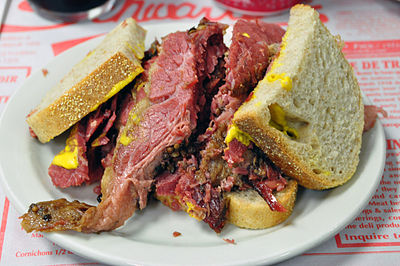
Montreal smoked meat



The Genesis of Smoking
The practice of smoking meat represents one of humanity's earliest and most enduring food preservation techniques, originating in the Paleolithic Era. This method emerged not from a desire for gourmet flavor, but from a fundamental need for survival. Early humans observed that meat exposed to smoke from cooking fires remained edible for extended periods, resisting spoilage.
This discovery was revolutionary, enabling the storage of vital protein resources, particularly crucial during times of scarcity or when hunting success was unpredictable. The smoke's chemical components, notably phenols and other volatile organic compounds, acted as natural antimicrobials and antioxidants, inhibiting the growth of bacteria and slowing down lipid oxidation. This ancient technique provided a critical advantage, allowing for the development of more stable food supplies and contributing to the expansion and settlement of human populations across diverse environments.
The transition from a purely utilitarian process to a culinary art form reflects humanity's evolving relationship with food and technology.
The Science of Smoke
The efficacy of smoked meat lies in a complex interplay of chemical and physical processes. Cold smoking, typically conducted at temperatures below 80°F (27°C), relies heavily on the antimicrobial properties of smoke compounds, especially when the meat has been pre-cured with salt and nitrates. Phenols, creosols, and other compounds in wood smoke create an environment hostile to microbial life.
Furthermore, the drying effect of the smoke and the curing process reduce water activity, a key factor in preventing microbial proliferation. Hot smoking, conversely, operates at higher temperatures (140-180°F or 60-82°C), primarily serving to cook the meat and infuse it with smoky flavor. While it offers some preservation benefits through dehydration and the denaturing of enzymes, its primary role is palatability and texture modification.
The Maillard reaction, a non-enzymatic browning process occurring at elevated temperatures, is also significantly influenced by smoking, contributing to the characteristic brown crust and complex flavor profile of smoked meats.
Cultural Significance and Modern Resurgence
The importance of smoked meat extends beyond mere sustenance and preservation; it is deeply woven into the cultural fabric of societies worldwide. Different cultures have developed unique smoking traditions, utilizing specific types of wood (like hickory, mesquite, applewood, or oak) and distinct curing methods to create regional specialties. From the smoky hams of Europe to the pastrami of North America and the smoked fish of Nordic countries, these variations highlight the adaptability and universal appeal of the technique.
In recent decades, there has been a notable global resurgence of interest in artisanal barbecue and smoking. This trend is driven by a desire for authentic flavors, a reconnection with traditional foodways, and an appreciation for the craft involved. Food enthusiasts and chefs are exploring heritage breeds, experimenting with diverse smoking woods, and reviving historical techniques, positioning smoked meat not just as a food product, but as a celebrated element of culinary heritage and innovation.
Diverse Applications and Future Directions
The application of smoking techniques spans a wide array of food products, including red meats (beef, pork, lamb), poultry, and seafood. Each category offers unique challenges and opportunities for flavor development and preservation. For instance, fatty fish like salmon benefit greatly from cold smoking, which imparts a rich, smoky flavor without cooking the fish through, resulting in a delicate texture.
Red meats, often cured and then hot-smoked, develop robust, savory profiles. The scientific understanding of smoke chemistry and its effects on food is continually advancing. Researchers are investigating the precise mechanisms of antimicrobial action, the development of flavor compounds, and the potential health implications of consuming smoked foods.
Future directions may involve optimizing smoking processes for enhanced health benefits, developing novel smoking agents, and further exploring the intricate sensory science behind what makes smoked meat so universally appealing.
See also
Frequently Asked Questions
What is smoked meat and why does it stay fresh?+
How do people smoke meat differently?+
Why did early humans start smoking meat?+
What kinds of wood do people use to smoke meat?+
How does smoking make meat taste so good?+
Based on content from Wikipedia · Licensed under CC BY-SA 4.0