

Skimmed Milk: The Super Light Milk!
Images
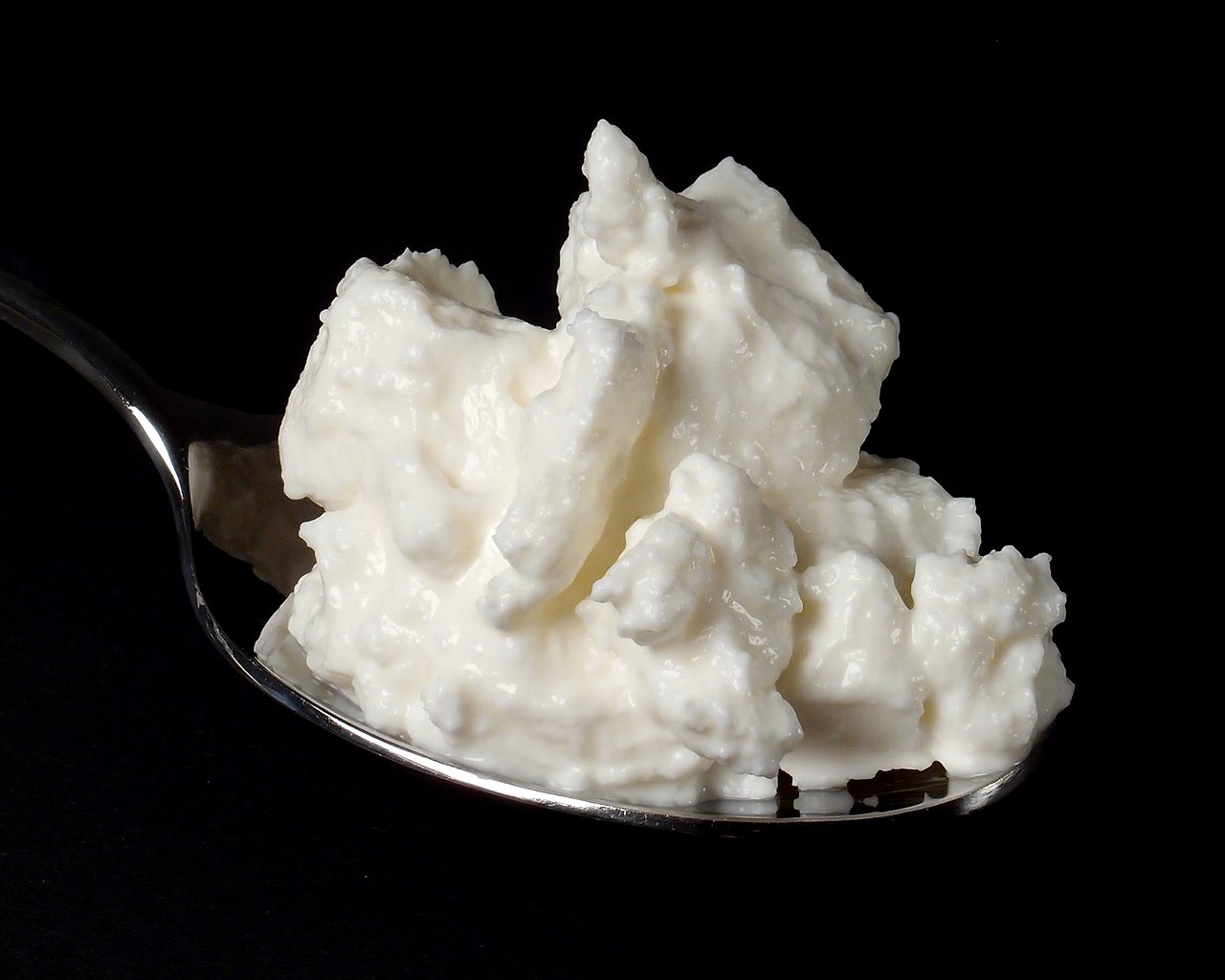
Skimmed milk quark on spoon


Defining Skimmed Milk
Skimmed milk, referred to as skim milk in North America, represents a significant modification of whole milk, achieved through the systematic removal of its lipid component. The defining characteristic of skimmed milk is its drastically reduced fat content, typically ranging from 0.1% to a maximum of 0.3%. This contrasts sharply with whole milk, which contains approximately 3.25% milkfat.
This reduction in fat content directly impacts the caloric density of the beverage; skimmed milk contains considerably fewer calories per serving than its whole milk counterpart, making it a popular choice for individuals focused on weight management or adhering to low-fat dietary guidelines. Crucially, the skimming process is designed to preserve the non-fat components of milk, including proteins (casein and whey), lactose, vitamins, and minerals.
Therefore, skimmed milk remains a valuable source of high-quality protein, calcium, potassium, and often, fortified vitamins A and D, which are essential for numerous bodily functions, including bone health, immune support, and cellular metabolism. The sensory experience of skimmed milk also differs, often perceived as lighter in body and flavor due to the absence of fat, which contributes significantly to mouthfeel and aroma in whole milk.
Historical Evolution of Fat Separation in Milk Production
The concept of separating milkfat from milk is ancient, predating modern industrial processes. Early methods relied on gravity and time. Freshly milked milk was stored in large containers, allowing the less dense fat globules to naturally rise to the surface over several hours, forming a layer of cream.
This cream was then manually skimmed off. This laborious process was the primary way cream and, consequently, skimmed milk were obtained for centuries. The development of mechanical cream separators in the late 19th century, most notably by Dr.
Gustav de Laval, revolutionized dairy processing. These centrifugal separators utilized centrifugal force to achieve rapid and efficient separation of cream from skimmed milk. This innovation not only made the production of skimmed milk and cream more economical and scalable but also improved hygiene and consistency.
The widespread adoption of these machines transformed dairy farms and processing plants, making skimmed milk a readily available commodity for consumers worldwide and paving the way for further advancements in dairy science and technology.
Nutritional Significance and Dietary Applications of Skimmed Milk
Skimmed milk occupies a crucial niche in contemporary nutritional science and dietary planning. Its primary advantage lies in its significantly lower fat and saturated fat content compared to whole milk, which aligns with public health recommendations aimed at reducing cardiovascular disease risk and managing body weight. For instance, a standard 8-ounce serving of skimmed milk contains approximately 83 calories and less than 0.5 grams of fat, whereas the same serving of whole milk can contain around 150 calories and over 8 grams of fat.
Despite the removal of fat, skimmed milk remains an excellent source of essential nutrients. It provides approximately 300 mg of calcium per serving, contributing substantially to the recommended daily intake for bone health. It is also a good source of protein (about 8 grams per serving), vital for muscle synthesis, satiety, and overall metabolic function.
Furthermore, many commercial skimmed milks are fortified with Vitamin D, which is critical for calcium absorption and immune system regulation, and sometimes Vitamin A. This nutritional profile makes skimmed milk a versatile ingredient in various culinary applications, from smoothies and cereals to baking and cooking, offering a lighter base without compromising essential nutrient intake.
The Science of Separation
The industrial production of skimmed milk is a sophisticated application of physics, primarily leveraging centrifugal force. Milk, when introduced into a high-speed rotating bowl within a centrifugal separator, experiences forces that exploit the density differences between its constituent components. Fat globules, being less dense than the aqueous phase of milk (which contains proteins, lactose, and minerals), are propelled inward towards the axis of rotation.
Conversely, the denser skim milk components are forced outward against the bowl's wall. The separator is engineered with a series of conical discs that create thin layers of milk, maximizing the surface area for separation and increasing the efficiency of the process. The differential forces acting on the fat and skim milk allow for their continuous discharge through separate outlets.
This method is highly effective, enabling the precise control of fat content in the final skimmed milk product, typically achieving levels below 0.3%. The process is energy-intensive but allows for the high-volume, consistent production required by the global dairy market, demonstrating a powerful synergy between engineering and food science.
See also
Frequently Asked Questions
What is skimmed milk?+
How is skimmed milk made?+
Why do people choose skimmed milk?+
Does skimmed milk still have vitamins and minerals?+
How does skimmed milk taste compared to whole milk?+
Based on content from Wikipedia · Licensed under CC BY-SA 4.0