

Potassium: The Speedy Metal!
Images
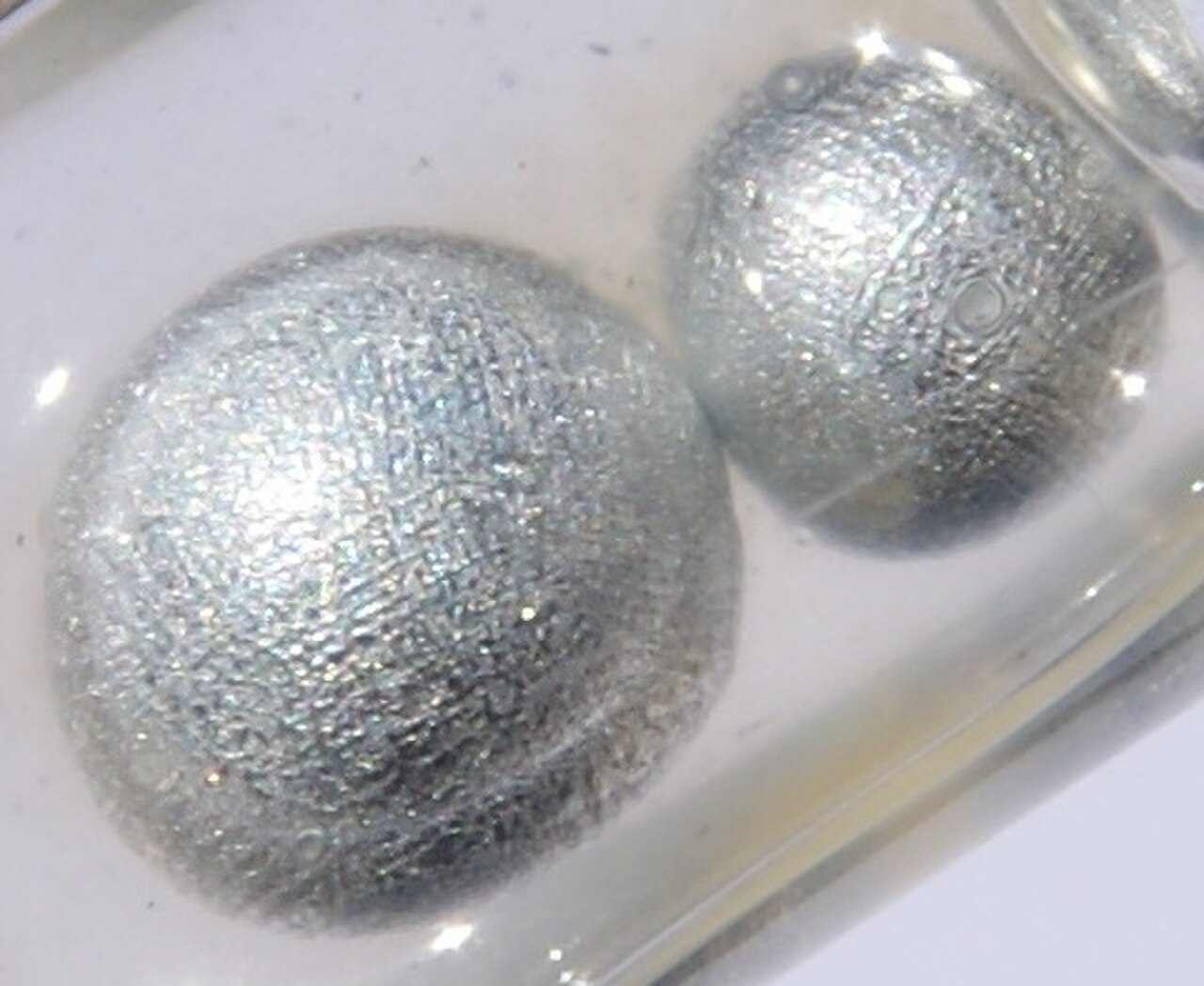
Potassium
The Energetic Alkali Metal
Potassium (K), atomic number 19, is a soft, silvery-white alkali metal characterized by its extreme reactivity. Its low density allows it to float on water, and its softness makes it easily cut with a knife. The defining feature of alkali metals, including potassium, is their single valence electron in the outermost electron shell.
This electron is readily lost, forming a K+ ion and enabling vigorous chemical reactions. Historically, potassium was first isolated in 1807 by Sir Humphry Davy through electrolysis, a process that separated it from the potash derived from plant ashes. Its name originates from 'potash,' reflecting its early discovery from this source.
Its chemical similarity to sodium was noted early on, with scientists suggesting they were distinct elements forming similar salts, a hypothesis confirmed by its isolation.
Biological Imperative
Potassium ions (K+) are indispensable for the proper functioning of all living cells, particularly in excitable tissues like nerves and muscles. The electrochemical gradient created by the differential distribution of potassium ions across cell membranes is fundamental to nerve impulse transmission and muscle contraction. Specifically, the movement of potassium ions out of nerve cells helps to repolarize the membrane after an action potential, allowing for subsequent signaling.
Maintaining precise serum potassium levels is critical; both hypokalemia (deficiency) and hyperkalemia (excess) can lead to severe health consequences, including dangerous cardiac arrhythmias and electrocardiographic abnormalities. The body actively regulates potassium homeostasis through cellular shifts and renal excretion in response to dietary intake.
From Ancient Ashes to Modern Agriculture
While elemental potassium has limited direct industrial applications due to its reactivity, its compounds are immensely important. The high solubility of potassium salts in water makes them useful in various processes, such as the production of saltwater soaps. However, the overwhelming majority of global potassium chemical production, approximately 95%, is dedicated to agriculture.
Potassium is a macronutrient essential for plant growth, playing roles in photosynthesis, enzyme activation, and water regulation. Intensive farming practices rapidly deplete soil potassium, necessitating its replenishment through fertilizers like potassium chloride (KCl) and potassium sulfate (K2SO4). This ensures crop yield and quality, underpinning global food security.
Isotopic Nature and Trace Presence
Naturally occurring potassium is a mixture of three isotopes: potassium-39 (39K), potassium-41 (41K), and the radioactive isotope potassium-40 (40K). While 40K constitutes only a small fraction of all potassium, its radioactivity is significant. It is the most abundant radioisotope found within the human body, contributing to the natural background radiation we are all exposed to.
The decay of 40K is used in geological dating techniques, particularly for rocks. This ubiquitous presence, from our own bodies to the Earth's crust, underscores potassium's fundamental role in natural processes.
Go deeper
Frequently Asked Questions
What is potassium?+
Why does potassium help our bodies and plants?+
Where does potassium come from?+
What happens if we don't have enough potassium?+
Is potassium safe to use?+
Based on content from Wikipedia · Licensed under CC BY-SA 4.0