

Singapur
Images
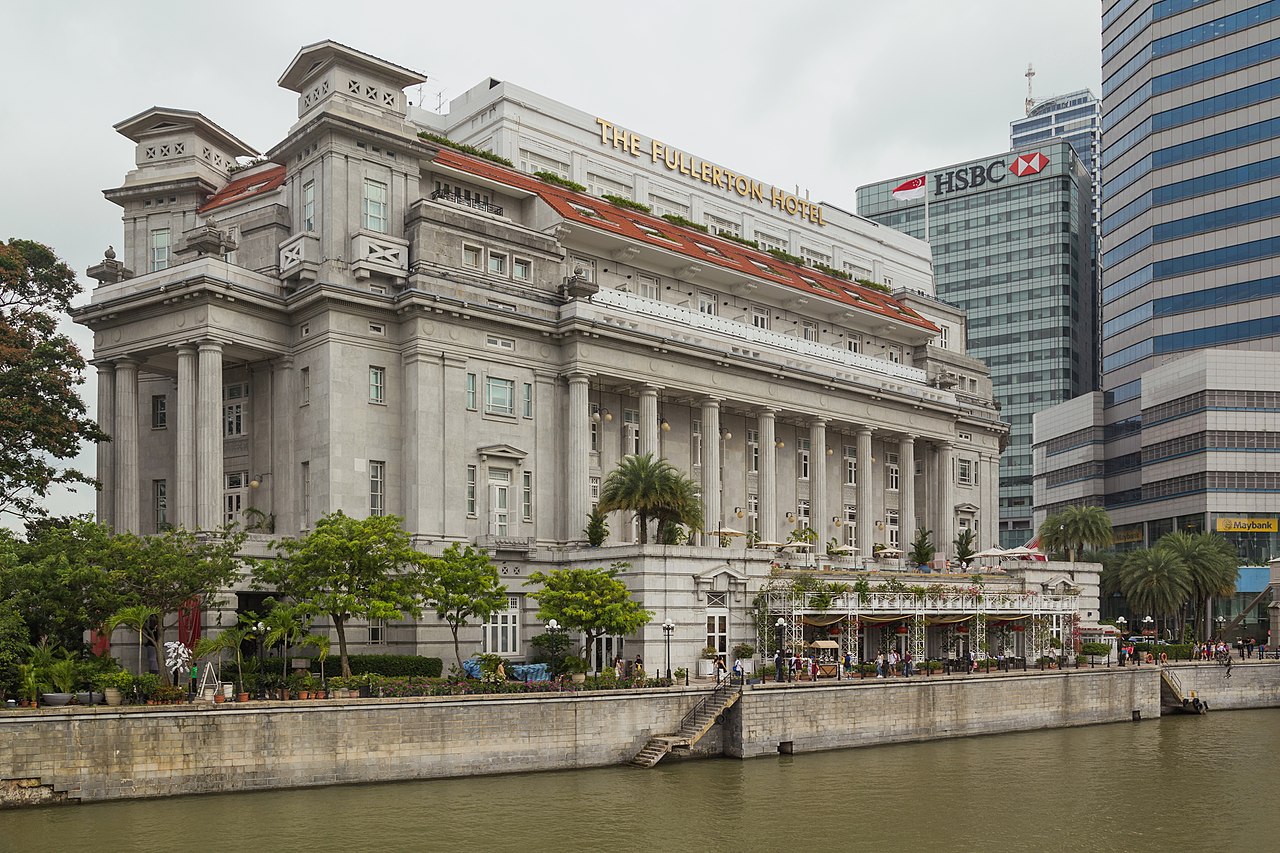
File:2016 Singapur, Downtown Core, Hotel Fullerton (01).jpg


Geopolitical Significance and Environmental Adaptation
Singapore's geographical position is its most defining characteristic. Situated at the confluence of major maritime trade routes, it commands a pivotal role in global commerce. Its tropical rainforest climate, marked by high temperatures and humidity, presents unique challenges and opportunities for urban planning and environmental management.
The nation has ingeniously adapted its landscape, transforming a relatively small landmass into a highly urbanized environment that paradoxically prioritizes green spaces and sustainable development. This includes extensive land reclamation projects and sophisticated water management systems, demonstrating a proactive approach to overcoming geographical limitations and ensuring long-term livability.
Colonial Roots to Sovereign Strength
The modern history of Singapore is intrinsically linked to its colonial past. Founded as a British trading post by Sir Stamford Raffles in 1819, its strategic harbor quickly propelled it to prominence as a key node in the British Empire's trade network. Post-World War II, Singapore navigated a complex period, including a brief merger with Malaysia, before achieving full independence in 1965.
The subsequent decades witnessed an extraordinary period of economic growth and nation-building, driven by visionary leadership and a focus on industrialization, education, and attracting foreign investment. This rapid ascent transformed Singapore into a first-world economy and a model for developing nations.
Cultural Dynamics and Social Cohesion
Singapore's cultural landscape is a rich and complex tapestry woven from the threads of its diverse population. The four official languages – English, Malay, Mandarin Chinese, and Tamil – reflect the primary ethnic groups: Chinese, Malay, Indian, and Eurasian. This multiculturalism is not merely cohabitation but a deliberate policy aimed at fostering social harmony and national identity.
The nation celebrates a multitude of festivals, each contributing to a vibrant calendar of events. The culinary scene is a direct manifestation of this diversity, offering an unparalleled gastronomic experience that draws from various Asian and Western traditions, making Singapore a global food destination.
Economic Resilience and Global Competitiveness
Singapore's economy is a testament to strategic foresight and adaptability. It has successfully transitioned from an entrepôt trade economy to a high-value manufacturing and service-based powerhouse. Key sectors include financial services, advanced manufacturing (electronics, chemicals, biomedical sciences), and logistics.
The Port of Singapore remains one of the world's busiest, underscoring its critical role in global supply chains. The government's commitment to innovation, research and development, and creating a business-friendly environment has attracted significant foreign direct investment, solidifying its status as a leading global financial and business hub. Its economic model emphasizes efficiency, connectivity, and a highly skilled workforce.
Governance, Education, and the Future
Singapore's political system is a parliamentary republic characterized by strong, centralized governance. Its stability and efficiency have been crucial to its economic success. The education system is highly regarded globally, focusing on rigorous academic standards, critical thinking, and preparing students for a knowledge-based economy.
This emphasis on human capital development is a cornerstone of Singapore's long-term strategy. The nation continues to invest heavily in innovation and technology, aiming to maintain its competitive edge in an ever-changing global landscape. Singapore's future trajectory is focused on sustainable growth, technological advancement, and nurturing a resilient and cohesive society.
See also
Frequently Asked Questions
What is Singapore?+
Why is Singapore famous for its green spaces?+
How did Singapore become a big trading city?+
What languages do people in Singapore speak?+
What kinds of jobs are popular in Singapore?+
Based on content from Wikipedia · Licensed under CC BY-SA 4.0