

Silurian
Images
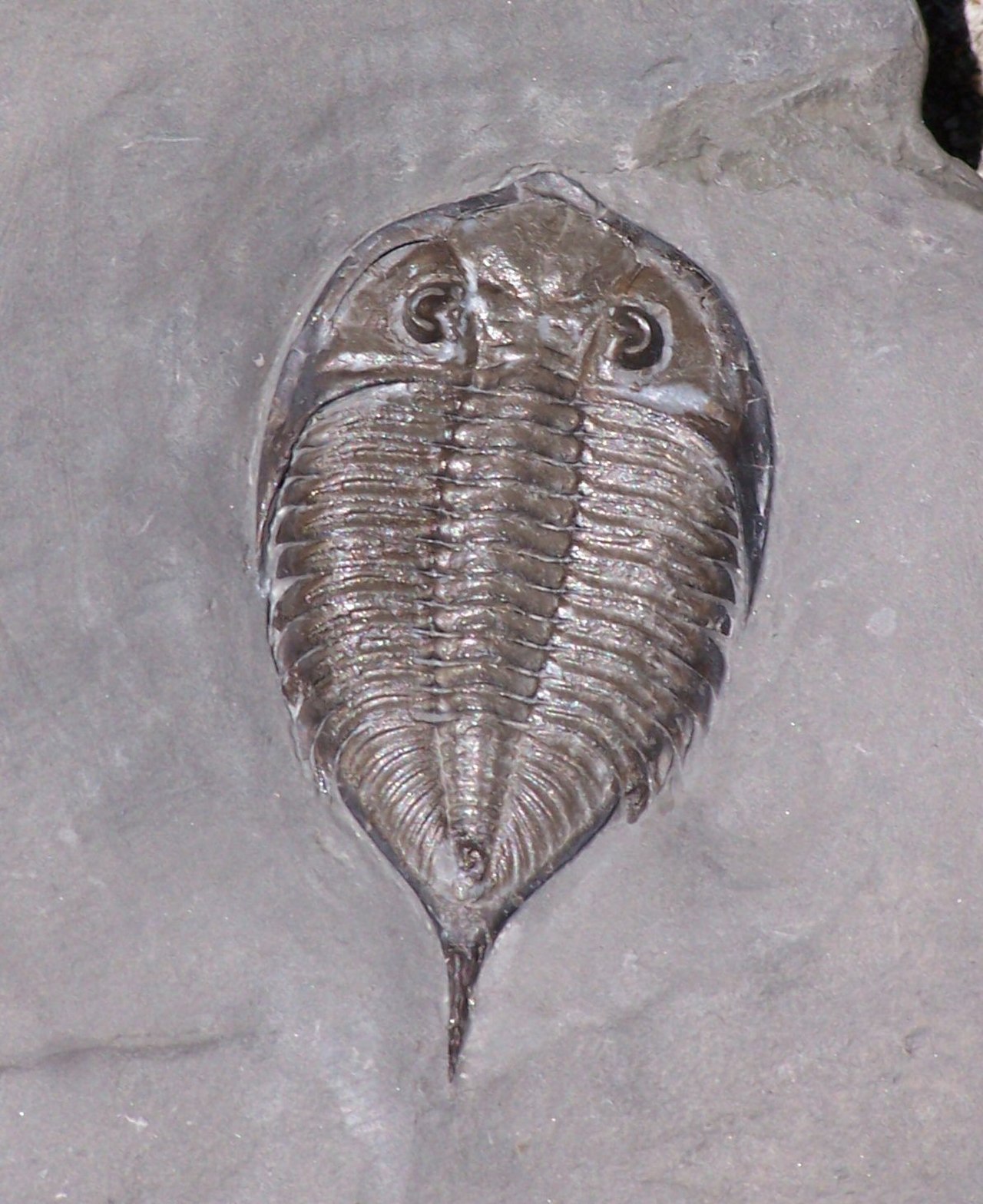
Dalmanites limulurus trilobite silurian


Plant Colonization and Fungal Symbiosis
The Silurian period (443.1 to 419.62 Ma) represents a critical juncture in Earth’s history, primarily defined by the groundbreaking colonization of terrestrial environments. This era witnessed the 'Silurian-Devonian Terrestrial Revolution,' a period of rapid innovation that fundamentally altered planetary ecosystems. Prior to this, landmasses were largely barren, but the Silurian saw the evolution and diversification of vascular plants.
These plants, possessing xylem and phloem for efficient water and nutrient transport, could grow larger and more complex than their earlier, non-vascular predecessors. This development was not solitary; the expansion and diversification of fungi, particularly dikaryan and glomeromycotan groups, were integral to this terrestrialization. Fungi acted as crucial decomposers and formed symbiotic relationships with plants (mycorrhizae), facilitating nutrient uptake and soil formation.
This symbiotic partnership was foundational, enabling plants to thrive in nutrient-poor soils and paving the way for the development of complex terrestrial food webs. The emergence of these early land plants and fungi transformed landscapes, stabilized soils, and began to influence atmospheric composition, setting the stage for future evolutionary radiations.
Aquatic Revolution
Concurrently with terrestrial advancements, the Silurian oceans experienced a dramatic shift in vertebrate dominance. This period is renowned for the significant diversification of jawed fish, marking a major evolutionary milestone. Groups such as placoderms, characterized by their extensive bony armor, and acanthodians, often referred to as 'spiny sharks' due to their prominent fin spines, emerged and flourished.
These innovations, particularly the development of jaws, provided significant advantages in predation, defense, and foraging, allowing these groups to exploit new ecological niches. The acanthodians are particularly noteworthy as they are believed to be ancestral to both cartilaginous fish (sharks, rays) and bony fish. This evolutionary success story for jawed vertebrates, however, came at the expense of previously dominant jawless fish, including conodonts and ostracoderms.
These ancient lineages experienced a sharp decline, illustrating a classic pattern of adaptive radiation and competitive exclusion within evolving ecosystems. The Silurian thus represents a pivotal moment in vertebrate evolution, establishing the foundation for the vast diversity of fish that would come to inhabit Earth's waters.
Arthropod Terrestrialization and the Expanding Biosphere
The Silurian’s impact extended beyond plants and fish; it was also a crucial period for the terrestrialization of arthropods. This group, characterized by their exoskeletons and jointed appendages, began to fully adapt to life away from aquatic environments. Three major lineages made significant strides: myriapods (such as centipedes and millipedes), arachnids (including early spiders and scorpions), and hexapods (the ancestors of insects).
Their move onto land represented a monumental expansion of the biosphere, opening up new habitats and food sources. These terrestrial arthropods played vital roles in early terrestrial ecosystems, acting as herbivores, detritivores, and predators. Their presence contributed to soil development and nutrient cycling, further supporting the growth of plant communities.
The successful adaptation of these arthropod groups during the Silurian laid the groundwork for the incredible diversity and ecological importance of terrestrial invertebrates that continues to this day, forming the base of many food webs.
Geochronological Context and Paleoenvironmental Significance
The Silurian period is precisely defined within the geologic timescale as the third and shortest period of the Paleozoic Era, sandwiched between the Ordovician and Devonian. Its boundaries are marked by distinct paleontological and geological markers, though the precise dating, while refined, still carries a margin of uncertainty of a few million years. The start of the Silurian is notably associated with the aftermath of significant Ordovician-Silurian extinction events, which drastically reduced marine biodiversity, wiping out up to 60% of marine genera.
This catastrophic event, while devastating, created ecological opportunities that spurred the subsequent radiations seen in the Silurian. Paleoenvironmental reconstructions suggest a period of generally rising sea levels and warmer global temperatures compared to the preceding Ordovician glaciation. The formation of extensive reefs continued, indicating stable, warm marine conditions in many regions.
The Silurian’s legacy is thus twofold: it marks the recovery and diversification following mass extinction and the initiation of major evolutionary transitions that would define subsequent geological eras.
Go deeper
Frequently Asked Questions
What happened during the Silurian period?+
Why were plants important in the Silurian?+
How did fungi help plants in the Silurian?+
Which fish groups appeared in the Silurian?+
Which arthropods moved onto land in the Silurian?+
Based on content from Wikipedia · Licensed under CC BY-SA 4.0