

Seekh Kebab: Yummy Skewers!
Images

Ready for sell


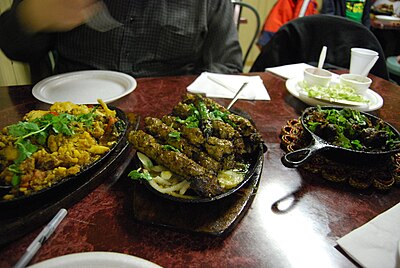
The Genesis and Evolution of the Seekh Kebab
The seekh kebab, a cornerstone of South Asian cuisine, traces its lineage to the culturally rich regions of Punjab and Awadh. While precise historical documentation is scarce, its development is intrinsically linked to the culinary innovations and spice traditions of the Indian subcontinent. The method of grinding meat and infusing it with aromatic spices, then forming it onto skewers for grilling, likely evolved over centuries.
This technique allowed for efficient cooking and the development of complex flavors. The term 'seekh,' meaning skewer in Urdu and Hindi, is central to its identity, underscoring the importance of the cooking apparatus. Over time, the seekh kebab transcended its regional origins to become a ubiquitous dish, celebrated in homes, street food stalls, and fine dining establishments alike.
Its enduring presence is a testament to its adaptability and the universal appeal of its flavor profile, making it a significant element of the region's gastronomic heritage.
Deconstructing the Seekh Kebab
The creation of a seekh kebab is a meticulous process that balances ingredient selection, spice mastery, and precise technique. The foundation is typically minced lamb, beef, or chicken, chosen for its fat content which contributes to moisture and flavor during cooking. The soul of the seekh kebab lies in its spice blend, a complex symphony of aromatics that can include ginger, garlic, green chilies, cumin, coriander, turmeric, red chili powder, and garam masala.
The precise combination and proportions are often proprietary, passed down through families or honed by chefs. After thorough mixing and kneading, the spiced meat is carefully molded onto metal skewers, a process requiring skill to ensure even thickness and adherence. This cylindrical form is critical for uniform cooking.
Traditionally, seekh kebabs are cooked over intense heat, either in a 'mangal' (a type of barbecue grill) or a 'tandoor' (a cylindrical clay oven). The high heat sears the exterior rapidly, creating a flavorful crust while keeping the interior succulent and tender. This cooking method imparts a characteristic smoky aroma, especially when cooked over charcoal.
Seekh Kebab as a Culinary and Cultural Ambassador
The seekh kebab is far more than a mere dish; it is a potent symbol of South Asian culinary identity and a significant cultural artifact. Its status as a 'signature dish' in major urban centers like Lahore, Karachi, Delhi, and Kolkata highlights its deep integration into the social and gastronomic landscape. It features prominently in celebrations, festivals, and everyday meals, acting as a social lubricant and a source of shared enjoyment.
For many, the taste and aroma of seekh kebab evoke powerful feelings of nostalgia, connecting individuals to their heritage, family traditions, and homeland. Its popularity extends beyond South Asia, with diaspora communities introducing it to global palates, thus serving as a culinary ambassador. The seekh kebab embodies the region's rich history of spice trade, culinary exchange, and the art of transforming simple ingredients into extraordinary flavors, reflecting the diverse cultural tapestry of the subcontinent.
The Versatility and Modern Relevance of Seekh Kebabs
The enduring appeal of the seekh kebab is also rooted in its remarkable versatility. While traditionally served hot off the grill, often accompanied by mint chutney, onions, and flatbreads like naan or roti, its application extends further. It can be incorporated into various dishes, such as wraps, salads, or even as a filling for savory pastries.
In contemporary culinary contexts, chefs continue to innovate, experimenting with different meat substitutions, vegetarian alternatives, and novel spice combinations, ensuring the seekh kebab remains relevant and exciting. The rise of globalized food culture has also led to its widespread availability in restaurants worldwide, introducing its unique flavors to a broader audience. Furthermore, the increasing interest in authentic ethnic cuisines means that the seekh kebab is often explored for its historical and cultural significance, not just its taste.
This adaptability, from traditional preparation to modern interpretations, solidifies its position as a dynamic and cherished culinary creation.
See also
Frequently Asked Questions
What is a seekh kebab?+
Where did seekh kebab come from?+
How is a seekh kebab cooked?+
What kinds of meat are used in a seekh kebab?+
Why is seekh kebab special to people?+
Based on content from Wikipedia · Licensed under CC BY-SA 4.0