

Schaffhausen (canton)
Images
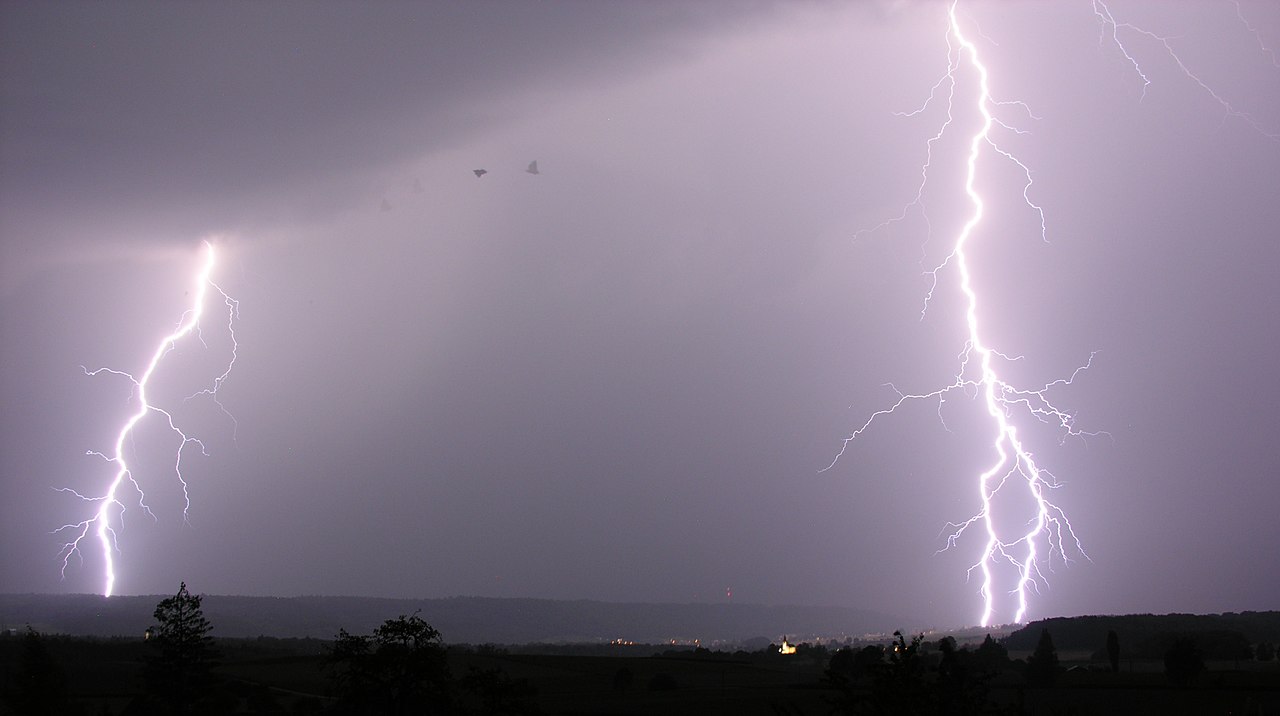
Lightning 14.07.2009 20-42-33




Geomorphology and Hydrology
Schaffhausen canton's geography is dominated by its position along the High Rhine, a significant section of the Rhine River. The most striking geological feature is the Rhine Falls (Rheinfall), a testament to the river's erosive power. These falls are not a single sheer drop but a series of cascades over a broad, tiered limestone ledge, creating a spectacle of immense volume and force.
The river's flow rate averages 600 cubic meters per second, making it Europe's most powerful waterfall by discharge. This natural phenomenon has shaped the local landscape, influencing erosion patterns and creating a microclimate characterized by constant mist, which supports unique flora. The surrounding terrain consists of undulating hills, remnants of glacial activity, interspersed with fertile plains ideal for agriculture.
The canton's climate is temperate continental, with distinct seasons that support both its renowned viticulture and its industrial activities. The Rhine also serves as a crucial transportation artery and a source of hydroelectric power, though the falls themselves are largely preserved for their natural beauty and tourism.
Historical Trajectory
The historical narrative of Schaffhausen is one of strategic importance and evolving autonomy. Its origins are tied to the Benedictine Abbey of All Saints, founded in 1087, which became a spiritual and economic center. By the 13th century, Schaffhausen had gained considerable independence, becoming a Free Imperial City within the Holy Roman Empire.
This status allowed it to develop its own governance and economy, largely driven by its prime location on the Rhine trade route. The construction of the Munot fortress, a formidable circular bastion completed in 1589, symbolizes this era of self-defense and civic pride. The canton joined the Swiss Confederacy in 1501, solidifying its place within the nascent Swiss nation.
Throughout the centuries, Schaffhausen navigated periods of political upheaval, economic shifts, and technological advancements, from early industrialization to its current role as a hub for high-tech manufacturing. Its historical resilience is evident in its well-preserved medieval architecture and its enduring spirit of independence.
Socio-Cultural Fabric
The cultural identity of Schaffhausen is deeply intertwined with its natural environment and its industrial heritage. The German language is spoken, with a distinct Swiss-German dialect prevalent in daily life. The Rhine Falls are not just a tourist attraction but a powerful symbol of the region's identity, influencing local folklore and artistic expression.
Viticulture is a significant cultural practice, with numerous local wineries producing high-quality wines, particularly from Pinot Noir and Müller-Thurgau grapes. This agricultural tradition is celebrated through local festivals and markets, fostering a strong sense of community. Beyond agriculture, Schaffhausen has a long-standing reputation for precision engineering and manufacturing, including a historical connection to watchmaking.
This industrial prowess has fostered a culture of innovation, quality, and meticulous craftsmanship. The canton offers a high quality of life, balancing its industrial output with a deep appreciation for its natural beauty, outdoor recreational opportunities, and well-preserved historical sites like the Munot fortress, which serves as a cultural venue.
Economic Landscape
Schaffhausen's economy is characterized by its strong export orientation and a high degree of specialization. While agriculture, particularly viticulture, contributes to the regional economy and cultural identity, the canton's economic engine is driven by its advanced manufacturing sector. Key industries include machinery and equipment, precision instruments, pharmaceuticals, and electrical engineering.
The presence of multinational corporations, such as Georg Fischer (GF) and Tyco Electronics, alongside a vibrant ecosystem of small and medium-sized enterprises (SMEs), creates a dynamic business environment. Schaffhausen benefits from its strategic location, excellent infrastructure, and a highly skilled workforce, often educated through its strong vocational training system. The Rhine River facilitates efficient logistics and trade.
Tourism, centered around the Rhine Falls and the historic city, is also a significant contributor, attracting international visitors and supporting the hospitality sector. The canton's economic success is a testament to its ability to adapt and innovate, maintaining a competitive edge in the global market.
Governance and Education
As a canton within the Swiss federal system, Schaffhausen operates with a significant degree of autonomy. Its government structure mirrors the federal model, with a legislative body (the Grand Council) and an executive council (the State Council). The constitution outlines the rights and responsibilities of its citizens and the framework for public administration.
The canton is responsible for areas such as education, healthcare, and justice within its borders. Education is highly valued, with a strong emphasis on vocational training alongside academic pathways. The canton boasts a comprehensive public education system, from primary schools to secondary institutions.
For higher education and specialized research, residents often access institutions in nearby cantons or pursue international opportunities, though Schaffhausen hosts specialized training centers. The commitment to education ensures a skilled workforce, crucial for the canton's advanced industrial sectors and its continued economic prosperity. This focus on both governance and education underpins Schaffhausen's stability and its capacity for future development.
See also
Frequently Asked Questions
What is the Rhine Falls and why is it special?+
Why is Schaffhausen known for watchmaking?+
How does the climate in Schaffhausen help people grow wine?+
What is the Munot fortress and when was it built?+
Where does the Rhine River help Schaffhausen?+
Based on content from Wikipedia · Licensed under CC BY-SA 4.0