

Saxe-Weimar
Images
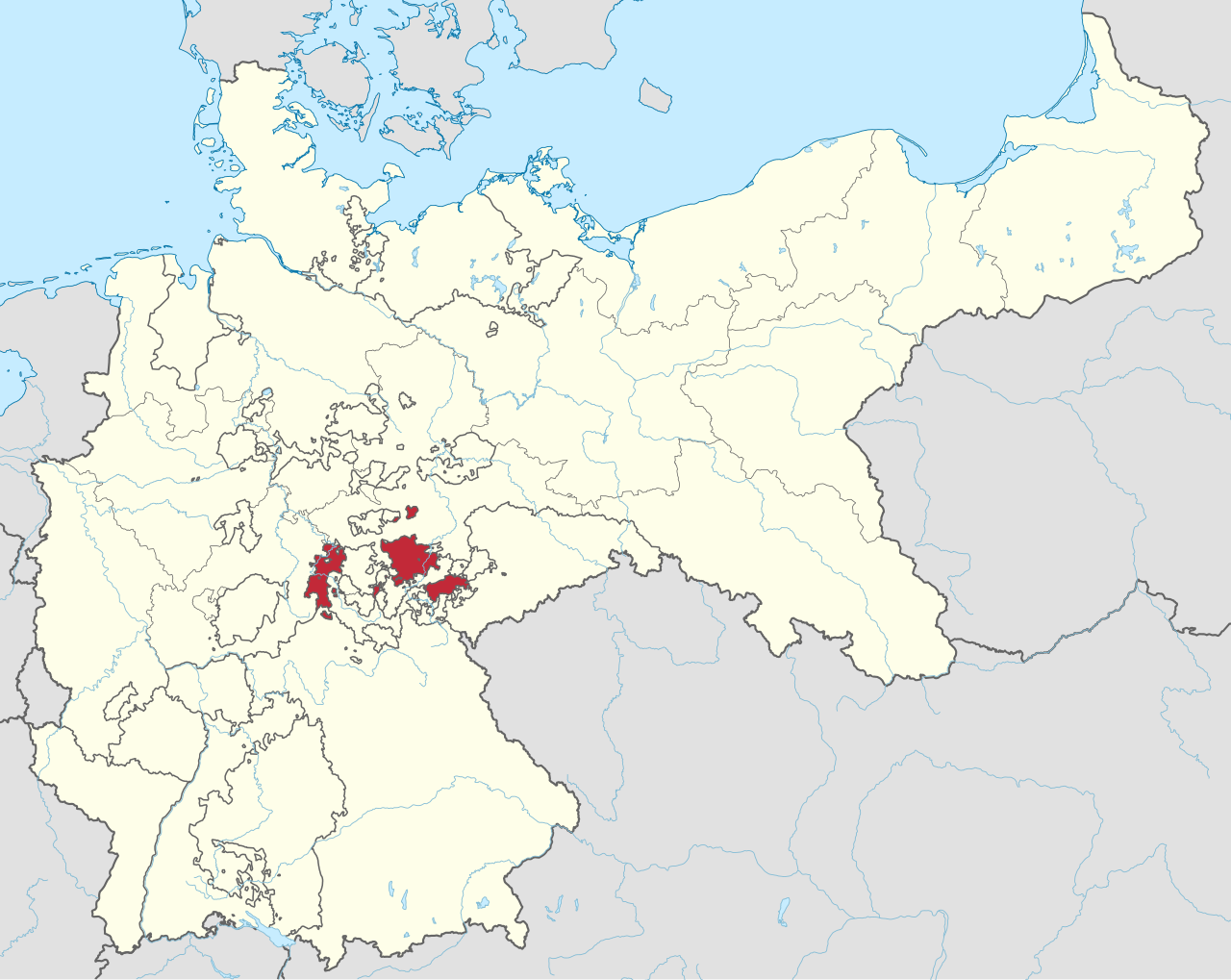
Saxe-Weimar-Eisenach in the German Reich (1871)


The Enduring Reign of the Ernestine Wettins
Saxe-Weimar represents a crucial chapter in the long and complex history of the Wettin dynasty, a family that profoundly influenced Central European politics for over eight centuries. As one of the Ernestine duchies, Saxe-Weimar was governed by the elder line of the Wettins, a branch that, despite losing the electoral title to the Albertine line, maintained significant prestige and territorial control. The designation 'most genealogically senior extant branch' underscores their historical primacy and the deep roots of their lineage.
This duchy, situated in the heart of Thuringia, was not merely a political entity but a dynastic stronghold, embodying the continuity and enduring influence of the Wettin name through the centuries, even as the political landscape of Germany evolved dramatically.
Weimar
The city of Weimar transcended its role as a mere administrative capital; it evolved into a vibrant nucleus of culture, intellectualism, and artistic endeavor. As the seat of the dukes, Weimar was the locus of political power, where governance, law, and diplomacy were enacted. However, its true significance blossomed as it attracted renowned thinkers, writers, and artists, particularly during the late 18th and early 19th centuries.
This period, often referred to as the Weimar Classicism, saw figures like Goethe and Schiller contribute to a flourishing of German literature and philosophy. The duchy's patronage of the arts and sciences, centered in Weimar, cemented its reputation as a beacon of high culture, influencing intellectual trends far beyond its borders and leaving an indelible mark on German identity.
The Structure and Governance of a Saxon Duchy
Saxe-Weimar functioned as a duchy, a form of territorial principality within the Holy Roman Empire and later the German Confederation. The Duke, as the sovereign ruler, held considerable authority, overseeing legislative, executive, and judicial functions. While theoretically subordinate to the Emperor or later the Confederation, the duchies often exercised a substantial degree of autonomy.
This included managing their own finances, levying taxes, maintaining a military, and enacting laws. The duchy's administration would have been structured with various councils and officials responsible for different aspects of governance, all ultimately answering to the ducal court in Weimar. The survival of Saxe-Weimar as a distinct entity for so long speaks to its effective administration and the resilience of its ruling dynasty.
Dynastic Marriages and European Politics
The history of Saxe-Weimar cannot be understood in isolation; it is deeply interwoven with the broader tapestry of European dynastic politics. The Wettin family, and by extension the rulers of Saxe-Weimar, engaged in strategic marriages with other royal and noble houses across the continent. These alliances were not merely social but served crucial political purposes, forging diplomatic ties, securing military support, and influencing succession disputes.
The family connections of the Saxe-Weimar rulers meant that events within the duchy could have repercussions in distant kingdoms, and conversely, international political currents directly impacted the duchy's stability and future. This intricate network of relationships highlights the interconnected nature of European power structures during the era.
From Duchy to Grand Duchy
Over time, the political status of Saxe-Weimar evolved. While initially a duchy, it eventually ascended to the status of a Grand Duchy. This elevation signified an increase in prestige and often implied greater autonomy or a more prominent role within larger political unions.
The transformation from a duchy to a Grand Duchy reflects the changing geopolitical landscape and the enduring ability of the Wettin dynasty to adapt and maintain its influence. This evolution is a testament to the duchy's sustained importance and its capacity to navigate the complex political currents of 19th-century Germany, ultimately leading to its integration into the unified German Empire.
See also
Frequently Asked Questions
What was Saxe-Weimar?+
Where was the capital of Saxe-Weimar?+
Who ruled Saxe-Weimar?+
Why was Weimar famous for art and writers?+
How did Saxe-Weimar manage its own laws and money?+
Based on content from Wikipedia · Licensed under CC BY-SA 4.0