

Sawfish: The Ocean's Saw-Toothed Superstars!
Images

Sawfish


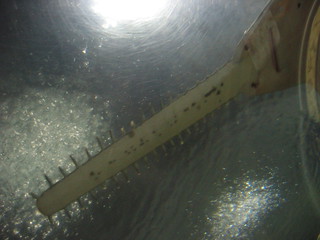


Morphological Marvels and Evolutionary Lineage
Sawfish, classified under the family Pristidae, represent a remarkable evolutionary divergence within the elasmobranchs, exhibiting a suite of adaptations that set them apart. Their most defining characteristic is the rostrum, a highly modified, flattened, and elongated snout armed with dermal denticles that function as teeth. This structure is not merely a predatory weapon but also a sophisticated sensory array, equipped with electroreceptors (ampullae of Lorenzini) that allow sawfish to detect the faint electrical fields generated by prey hidden in sediment or murky waters.
Unlike the rostrums of some other toothed rays, the sawfish rostrum is relatively flexible and used with a side-to-side sweeping motion to disorient, injure, or capture prey. Phylogenetic studies suggest their closest relatives are other rays, though their unique morphology has led to distinct ecological niches. Their distribution spans tropical and subtropical coastal waters, estuaries, and even freshwater systems, indicating a remarkable physiological plasticity.
Ecological Niches and Feeding Strategies
Sawfish occupy a critical role as apex and meso-predators within their respective aquatic ecosystems. Their diet is primarily carnivorous, consisting of a diverse range of benthic and pelagic organisms, including fish, crustaceans, and cephalopods. The rostrum's function in feeding is multifaceted: it can be used to stir up sediment, flushing out buried invertebrates and small fish, or to physically disable faster-moving prey with powerful sweeps.
In some instances, the rostrum can be employed to pin prey against the substrate. This specialized feeding strategy allows sawfish to exploit resources that may be unavailable to other predators, contributing to the overall biodiversity and health of coastal and estuarine environments. Their presence can influence prey populations and community structure, making them important indicators of ecosystem health.
Critically Endangered Status
Despite their ecological importance and impressive size, reaching lengths of up to 20 feet (6 meters) and weights exceeding 600 pounds (270 kg), all five extant species of sawfish are classified as Critically Endangered by the IUCN. The primary driver of their decline is anthropogenic activity, most notably entanglement in fishing gear. Their long, toothed rostrums are particularly susceptible to getting caught in nets, especially gillnets and trawls, leading to high rates of bycatch, injury, and mortality. Habitat degradation and loss, stemming from coastal development, dredging, pollution, and dam construction, further exacerbate their vulnerability by reducing available nursery grounds and foraging areas. Conservation strategies are multifaceted, including the establishment of marine protected areas, the implementation of fishing gear modifications to reduce bycatch, and international cooperation for species protection and habitat restoration. Public awareness campaigns are also vital to garner support for their recovery.
Reproductive Biology and Neonatal Adaptations
Sawfish exhibit ovoviviparity, meaning the embryos develop within eggs inside the mother's body, and the young are born live. A remarkable adaptation is observed in the neonatal sawfish's rostrum. Prior to birth, the rostrum is soft, flexible, and folded, often encased in a gelatinous sheath.
This protective covering is crucial for preventing injury to both the mother during parturition and the developing pups themselves. Once born, the rostrum gradually ossifies and unfurls, becoming the rigid, toothed structure characteristic of adult sawfish. This developmental process highlights the evolutionary pressures that have shaped sawfish reproduction to ensure the survival of their offspring.
The pups are precocial, meaning they are relatively well-developed at birth and capable of independent foraging, though they are vulnerable to predation and competition in their early stages of life.
See also
Based on content from Wikipedia · Licensed under CC BY-SA 4.0