

Savoy: A Land of Mountains and Dukes!
Images
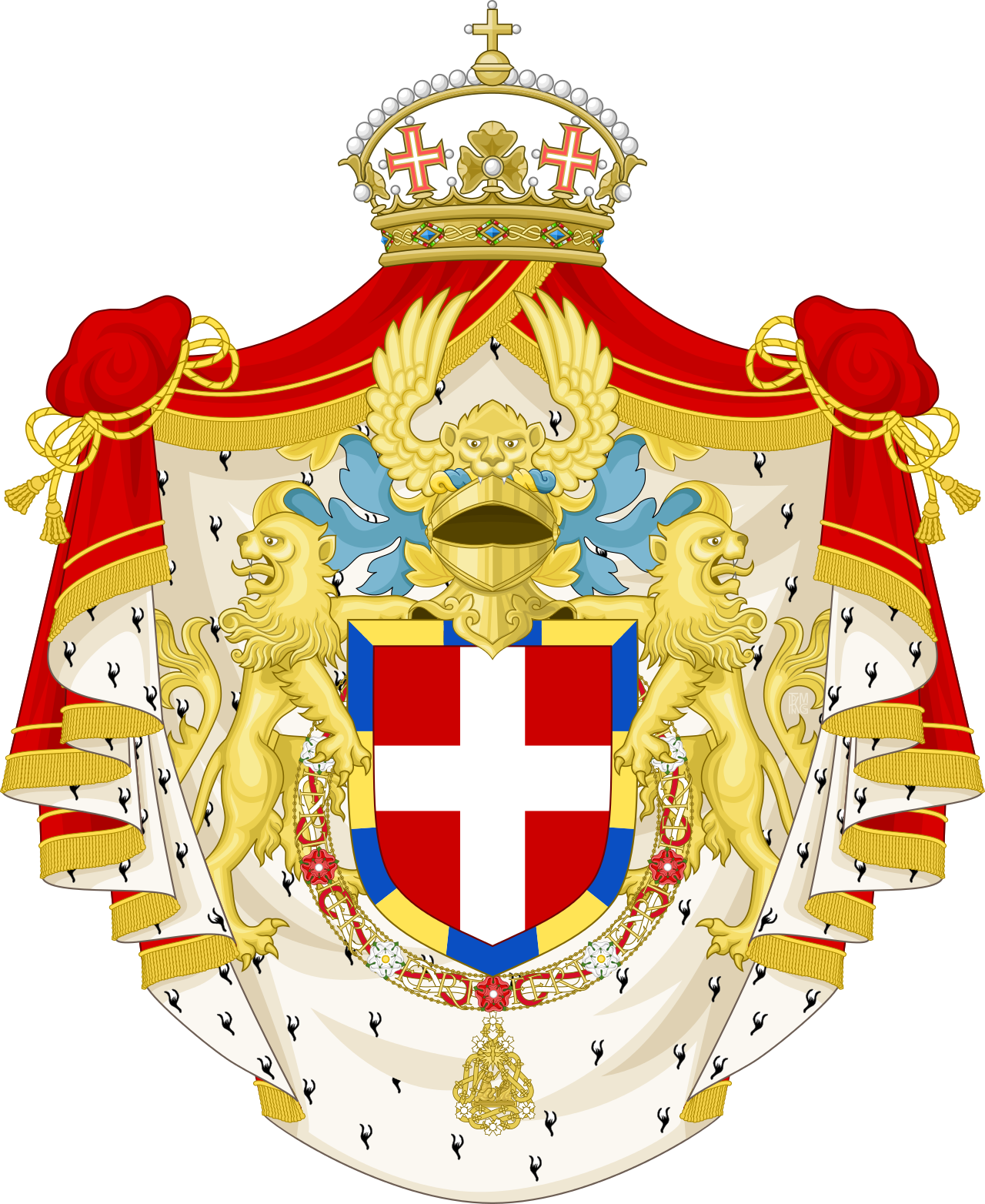
Coat of arms of the savoy-aosta line


Savoy
Savoy, situated in the Western Alps, represents a fascinating case study in regional identity and historical influence. Its strategic location on the cultural divide between Occitania and Piedmont made it a dynamic zone of interaction and exchange. The territory's geographical extent, historically reaching from Lake Geneva in the north to the Dauphiné in the south and west, and bordering the Aosta Valley to the east, endowed it with significant strategic importance.
Originally a component of the Kingdom of Burgundy, Savoy emerged as a distinct feudal county under the formidable House of Savoy during the 11th to 14th centuries. This period laid the groundwork for its future expansion and political maneuvering. The core territory, often referred to as 'ducal Savoy' or 'Savoy proper,' largely corresponds to the modern French departments of Savoie and Haute-Savoie within the Rhône-Alpes region.
However, the historical trajectory of Savoy saw its territories expand considerably, forming the Duchy of Savoy (1416–1860). This expansion was not confined to its original core; it encompassed significant areas of what is now western Italy and southwestern Switzerland, demonstrating the House of Savoy's ambition and capability to project power across challenging Alpine terrain.
The Enduring Ascendancy of the House of Savoy
The House of Savoy's rise from local counts to rulers of a significant European duchy is a testament to their political acumen and adaptability. Over several centuries, they skillfully navigated the complex web of European power dynamics, leveraging their strategic Alpine position to their advantage. Their territories served as a crucial buffer and a bridge between major powers like France and the Holy Roman Empire (later Austria).
The family's ability to maintain and expand their domain through a combination of diplomacy, strategic marriages, and military campaigns was remarkable. By the 15th century, their status was elevated to that of Dukes, solidifying their authority and prestige. This dynastic ambition culminated in their eventual role as the ruling family of the Kingdom of Sardinia and, most significantly, the unified Kingdom of Italy in the 19th century.
The legacy of the House of Savoy is thus deeply embedded not only in the Alpine region but also in the very fabric of modern Italian statehood, showcasing a remarkable dynastic journey.
Savoy's Redrawing of European Maps
The historical evolution of Savoy is inextricably linked to the grand geopolitical shifts of the 19th century, particularly the unification of Italy. The Plombières Agreement of 1858 stands as a pivotal moment, fundamentally altering the political geography of the region. This clandestine accord, orchestrated by Napoleon III of France and Camillo Cavour, the Prime Minister of Piedmont-Sardinia, was instrumental in paving the way for Italian unification.
In exchange for French military support against Austria, the House of Savoy agreed to cede western Savoy and Nice to France. This territorial concession was a calculated sacrifice, enabling the expansion of Piedmont-Sardinia into a larger Italian state. While western Savoy became French territory, the House of Savoy retained their eastern holdings, including Piedmont and Liguria, which formed the nucleus of the new Kingdom of Italy.
This agreement exemplifies how dynastic interests and national aspirations converged, leading to the redrawing of borders and the creation of modern nation-states, with Savoy serving as a crucial, albeit divided, pawn in this grand geopolitical game.
The Enduring Cultural and Historical Resonance of Savoy
Despite its division between France and Italy, Savoy retains a distinct cultural and historical identity that continues to resonate. The region's unique position on the cultural frontier has fostered a rich tapestry of traditions, dialects, and historical narratives. The legacy of the House of Savoy is not merely political; it is also evident in the architectural heritage, artistic patronage, and the enduring sense of regional pride found in both the French Savoie and Haute-Savoie departments and the Italian regions historically linked to Savoy.
Studying Savoy offers valuable insights into the complex processes of state formation, dynastic politics, and cultural exchange that have shaped Europe. It highlights how seemingly peripheral regions can play central roles in major historical transformations and underscores the lasting impact of historical decisions on contemporary national identities and borders. Savoy's story is a compelling reminder of the interconnectedness of European history.
Go deeper
Frequently Asked Questions
What is Savoy and where is it located?+
Who were the dukes that ruled Savoy?+
How did Savoy help shape Italy and Switzerland?+
Why did Savoy give part of its land to France?+
What is the modern name of Savoy's core territory?+
Based on content from Wikipedia · Licensed under CC BY-SA 4.0